Home » Blog » Health & Safety »
Dogs are funny, loyal, loving, and sometimes completely confusing. One minute, they are sleeping peacefully. The next minute, they are sprinting through the house, eating grass, kicking dirt after pooping, or rolling in something that smells terrible.
To humans, these behaviors can seem random. For dogs, many behaviors stem from instinct, communication, boredom, stress, scent, or simple habit. Some are harmless. Others can point to discomfort, anxiety, or a medical issue.
The goal is not to panic over every strange thing your dog does. The goal is to understand what is normal, what needs more attention, and when it is time to call your veterinarian.
Why Dogs Do Weird Things
Dogs experience the world differently from we do. Their sense of smell is powerful, their social habits are different, and many behaviors that seem odd to people are normal dog communication.
A weird behavior may come from:
- Instinct
- Scent marking
- Play
- Stress relief
- Boredom
- Curiosity
- Discomfort
- Learned habits
- Medical problems
We Scoop Poop
Get your yard back without the hassle. Click below for a free instant quote for professional dog poop cleanup in Oklahoma City—no obligations, no contracts, and no hidden fees.
Dogs do strange things for reasons that often make sense to them. These common behaviors can come from instinct, scent, stress, boredom, play, habit, or health concerns.
Sudden running, spinning, or tail chasing often comes from extra energy, excitement, play, or stress relief. If it becomes constant or obsessive, it may need attention.
Grass eating may come from curiosity, fiber, boredom, or habit. Poop eating can be behavioral, but sudden or repeated stool eating should be discussed with your vet.
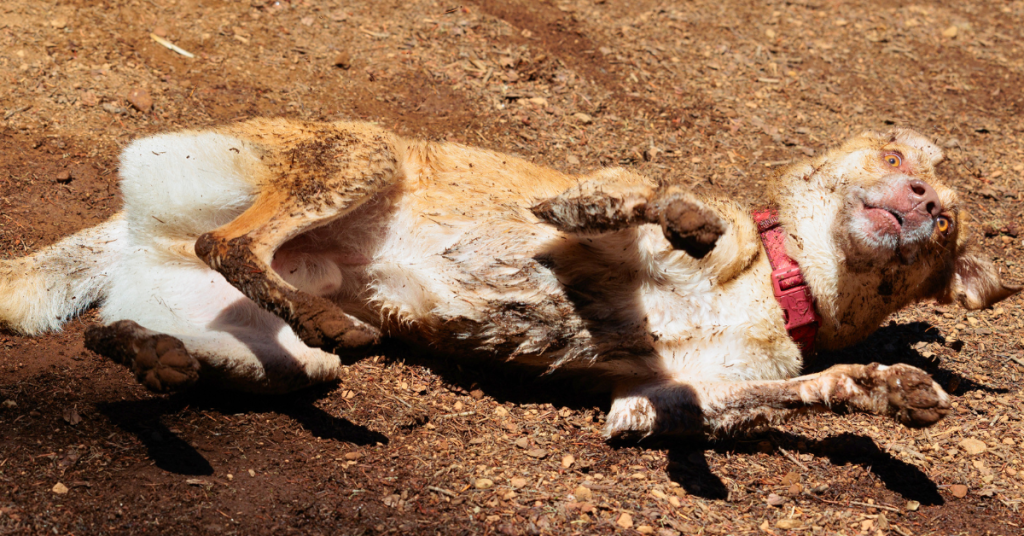
Rolling in dirt, poop, dead animals, or strong smells may be tied to scent, instinct, or simple enjoyment. It is common, but it is not always clean or safe.
These behaviors can look funny, but they may point to irritation, excitement, stress, allergies, anxiety, or discomfort when they happen often or start suddenly.
Dogs may howl at sounds, stare for attention, or tilt their head while listening. These behaviors are usually normal when your dog seems relaxed and healthy.
Call your veterinarian if a behavior is sudden, painful, obsessive, unsafe, getting worse, or happens with vomiting, diarrhea, breathing trouble, low energy, or appetite changes.
17 Weird Dog Behaviors Explained
Dogs do strange things that can leave us laughing, confused, or a little concerned. From zoomies and grass eating to rolling in smelly stuff, many weird dog behaviors have a real reason behind them.
1. Getting the Zoomies
Zoomies are sudden bursts of wild running, spinning, or bouncing. The technical term is “frenetic random activity periods,” or FRAPs. They often happen when a dog has extra energy, feels excited, or releases stress.
Most zoomies are normal. Just make sure your dog is in a safe area away from stairs, slick floors, roads, or breakable items.
Call your vet or a trainer if zoomies seem constant, frantic, unsafe, or tied to anxiety.
2. Chasing Their Tail
A puppy may chase its tail because it is curious or playful. Some adult dogs do it for fun or attention.
However, repeated tail chasing can also point to boredom, stress, skin irritation, pain, or compulsive behavior. Frequent tail chasing may need veterinary attention, especially when it is new or obsessive.
3. Circling Before Lying Down
Many dogs turn in circles before they settle. This may come from old nesting instincts, comfort-seeking, or checking the resting spot.
A few slow circles before a nap are usually normal. Repeated circling, confusion, falling, head-pressing, or pacing may require a visit to the vet.
4. Kicking After Pooping or Peeing
Dogs often kick grass or dirt after going potty. It may look like they are covering the mess, but they are usually spreading scent from their paws and marking the area.
This is normal unless your dog seems painful, obsessive, or is tearing up their feet.
5. Eating Grass
Many dogs eat grass. VCA animal hospitals note that fewer than 25% of dogs vomit after eating grass, and only 10% show signs of illness before doing so. Grass-eating may relate to fiber intake, boredom, anxiety, or natural scavenging behavior.
Call your vet if your dog constantly eats grass, vomits often, has diarrhea, seems sick, or eats grass that has been treated with chemicals.
6. Eating Poop
This one is gross, but it is common enough to have a name: coprophagia. A dog eating poop may be behavioral, but medical causes should be ruled out first, especially if it starts suddenly.
Dogs may eat poop because of curiosity, scavenging, stress, attention-seeking, habit, or access to waste in the yard.
This is one reason consistent yard cleanup matters. A cleaner yard gives your dog fewer chances to practice the habit. Poop Free OKC can help with professional dog poop removal services when the backyard is hard to keep up with.
7. Rolling in Smelly Things
Dogs may roll in grass, dirt, poop, dead animals, or other strong smells. This behavior may come from scent masking, scent collecting, or simple enjoyment.
It is normal, but it is not always sanitary. If your dog keeps rolling in waste, remove the source and clean the area.
8. Scooting Their Butt
Scooting may look funny, but it usually means something is bothering your dog’s rear end. The American Kennel Club lists scooting, excessive licking, straining, and blood or pus near the rectum as possible signs of anal gland problems.
Occasional scooting after a messy poop may happen. Repeated scooting needs a vet check.
Find The Perfect Scoop Plan
Answer a few quick questions about your yard and dogs, and we’ll help point you toward the cleanup plan that makes the most sense.
9. Humping People, Dogs, or Toys
Humping is not always sexual. Dogs may hump because they are excited, stressed, overstimulated, playful, or seeking attention.
Redirect your dog calmly. Ask for a sit, offer a toy, or move them away from the situation. Call your vet if humping starts suddenly or is accompanied by licking, swelling, pain, or urinary issues.
If mounting becomes frequent, hard to interrupt, or causes problems with people or other dogs, follow our step-by-step guide on stopping your dog from humping using calm redirection, exercise, and reward-based training.
10. Licking People
Dogs lick for many reasons. They may be greeting you, seeking attention, tasting salt on your skin, showing affection, or self-soothing.
Gentle licking is usually normal. Constant licking of people, paws, floors, or furniture may indicate anxiety, allergies, nausea, pain, or a habit.
For a deeper breakdown of affection, attention-seeking, taste, stress, and excessive licking, read our guide on why dogs lick people.
11. Howling at Sirens or Music
Some dogs howl when they hear sirens, music, other dogs, or high-pitched sounds. It may be communication, alerting, or an instinctive response.
Howling is usually normal unless it becomes excessive, occurs when your dog is alone, or is accompanied by signs of separation anxiety.
12. Digging Holes
Dogs dig for many reasons. They may be bored, hot, hunting, hiding a toy, trying to escape, or making a comfortable resting spot.
Digging is normal, but it can become a problem if your dog digs under fences, destroys the yard, or seems anxious. Give them more exercise, shade, enrichment, and supervised yard time.
13. Sleeping Twitches, Barks, or Running Movements
Dogs may twitch, bark, whimper, or move their legs while sleeping. In many cases, they are dreaming.
Let them sleep unless they seem distressed or unsafe. Call your vet if movements look like seizures, happen while awake, or your dog seems confused afterward.
14. Reverse Sneezing
Reverse sneezing sounds like snorting, honking, or sucking air in quickly. It can be alarming, but many episodes pass quickly.
Call your vet if it happens often, lasts a long time, comes with coughing, blue gums, weakness, nasal discharge, or trouble breathing.
15. Staring at You
Dogs stare for several reasons. They may want food, attention, direction, comfort, or permission. Some dogs stare because they are reading your body language.
A soft stare is usually normal. A hard stare, a stiff body, a closed mouth, or a raised posture may signal tension.
16. Tilting Their Head
A head tilt can mean your dog is listening, focusing, or trying to understand a sound.
It is usually adorable and harmless. A constant head tilt, loss of balance, ear pain, circling, or eye flicking should be checked by a vet.
17. Sniffing Butts or Private Areas
Dogs gather information through scent. Butt sniffing is normal dog-to-dog communication. Sniffing people’s private areas is embarrassing, but it is usually curiosity, not bad manners.
Teach a polite greeting cue, such as “sit,” “touch,” or “go say hi.” Reward your dog for greeting guests calmly.
We Scoop Poop
Get your yard back without the hassle. Click below for a free instant quote for professional dog poop cleanup in Oklahoma City—no obligations, no contracts, and no hidden fees.
When Weird Dog Behavior Needs a Vet
Call your veterinarian if a weird behavior is:
- Sudden
- Repeated
- Painful
- Obsessive
- Linked to vomiting or diarrhea
- Linked to coughing or breathing trouble
- Causing injury
- Paired with appetite changes
- Paired with low energy
- Getting worse over time
A behavior that is normal once in a while may not be normal when it becomes constant.
The “Bottom” Line: Weird Dog Behaviors Explained
Most weird dog behaviors make sense once we look at the world from a dog’s point of view. Dogs sniff, dig, roll, lick, kick, run, and stare because they are communicating, exploring, relieving stress, or following instincts.
Still, we should pay attention to patterns. If a behavior is new, excessive, painful, or associated with illness, call your veterinarian.
Sudden indoor peeing can feel like a strange behavior, but it often has a real cause. For help with accidents, marking, anxiety, and potty setbacks, read our guide on why dogs pee in the house.
👉 Want one less weird and messy dog habit to deal with? Let Poop Free OKC help keep your yard cleaner with reliable dog poop removal, so your dog has a safer place to sniff, play, and explore. Get a free pet waste removal quote today.
8 Popular FAQs About Weird Dog Behaviors
Why does my dog get the zoomies?
Why does my dog eat grass?
Why does my dog eat poop?
Why does my dog roll in smelly stuff?
Why does my dog scoot their butt on the floor?
Why does my dog kick after pooping?
Why does my dog stare at me?
When should I worry about weird dog behavior?

About Carlton
Carlton Wolf is the founder of Poop Free OKC, a veteran-owned pet waste removal company serving Oklahoma City and the surrounding metro. As a U.S. Coast Guard veteran, Carlton built Poop Free OKC to provide reliable, professional yard cleanup for busy dog owners who want a cleaner, safer outdoor space without the hassle.
PILES OF KNOWLEDGE
Pet Health & Safety
Pet Waste Removal Tips
Pet Yard & Home Care
Grand Opening Special
Claim Your FREE Poop Scoop!
*First 50 who sign up for recurring service.
You May Also Like…
How to Clean Up Dog Diarrhea in Your Yard
Dog diarrhea can be difficult to remove from grass without making the mess bigger. Learn how to handle fresh and dried diarrhea, clean your tools, avoid common mistakes, and know when it is time to call your veterinarian.
How to Stop Your Dog From Humping
Dog humping can be caused by excitement, stress, habit, attention-seeking, or sexual behavior. Learn how to stop it and when to call your vet.
Why Is My Dog Pooping in the House All of a Sudden?
A dog suddenly pooping in the house may have a health issue, stress, aging changes, diet trouble, or a schedule problem. Learn what to check and how to fix it.
Why Does My Dog Lick Me?
Dogs lick people for many reasons, including affection, attention, taste, stress, greeting, and learned behavior. Learn what licking usually means and when it may signal a problem.
How to Stop Your Dog From Peeing in the House
Dog peeing in the house can happen because of health issues, marking, stress, routine changes, or training gaps. Learn what to do next.
Are Dog Poop Digesters Worth It?
Dog poop digesters can sound like an easy backyard fix, but they come with limits. Learn how they work, the pros, the cons, and when they make sense.