Home » Blog » Health & Safety »
Quick Answer: Why Do Dogs Eat Poop?
Dogs eat poop for a variety of reasons, including instinct, boredom, nutritional deficiencies, stress, or medical issues. The fastest way to stop it is to remove access immediately, increase supervision and training, improve diet quality, and rule out underlying health problems with a veterinarian.
“Hey Google, Why Is My Dog Eating Poop?”
If you’ve ever asked that question out loud, you’re not alone.
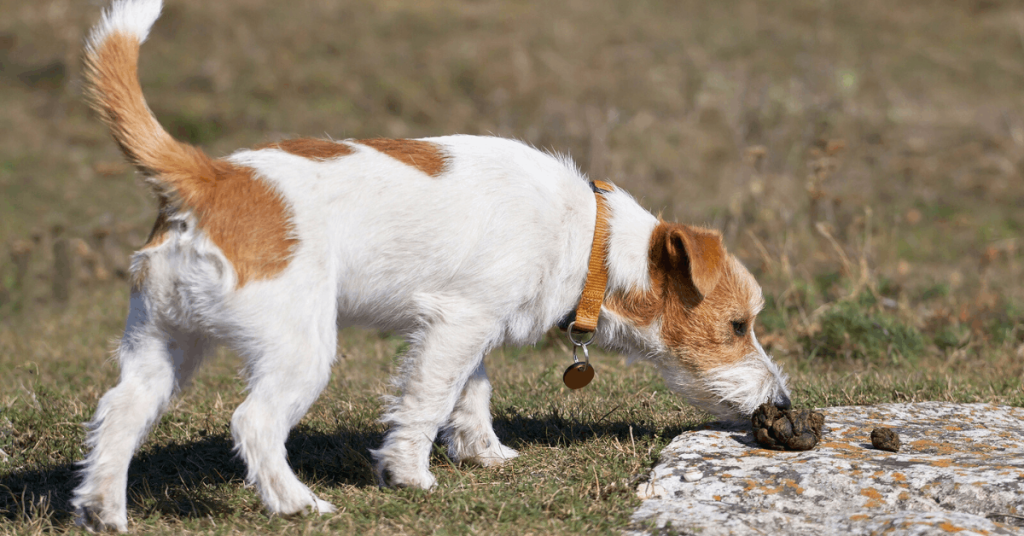
Poop-eating behavior — called coprophagia — is surprisingly common. While it may feel alarming, it is often manageable once you understand the root cause.
To fix it, you must first understand why it happens.
What Is Coprophagia?
Coprophagia is the behavior of eating feces. In dogs, it is relatively common and can be caused by instinct, nutritional deficiencies, boredom, stress, or underlying medical issues.
Coprophagia is common — but it's fixable. Here are the main causes and proven solutions.
Why: Natural scavenging or den-cleaning behavior.
Fix: Immediate cleanup and supervision.
Why: Missing enzymes or vitamins.
Fix: Review diet quality and consult a vet.
Why: Increased appetite from health conditions.
Fix: Schedule a veterinary evaluation.
Why: Lack of stimulation.
Fix: Add exercise and enrichment.
Why: Big reactions reinforce behavior.
Fix: Stay calm and redirect.
Why: Self-soothing behavior.
Fix: Add structure and positive reinforcement.
Why: Temptation is available.
Fix: Prompt removal.
Focus: Management + Training + Diet.
Result: Most dogs improve within weeks.
We Scoop Poop
Get your yard back without the hassle. Click below for a free instant quote for professional dog poop cleanup in Oklahoma City—no obligations, no contracts, and no hidden fees.
Why Dogs Eat Poop
Most cases fall into three major categories:
- Instinct
- Health and nutrition
- Behavioral triggers
Let’s break them down.
🐺 Instinct and Evolution
Dogs evolved as scavengers. Survival often meant eating whatever was available.
Den Cleanliness
Wild canines removed waste from sleeping areas to reduce parasites. Some modern dogs still carry this instinct.
Scavenging Drive
Dogs naturally investigate strong smells. Feces contain partially digested nutrients, making them interesting to them.
Maternal Behavior
Mother dogs clean puppies by licking and ingesting waste to maintain sanitation.
Instinct alone can explain occasional behavior — but repeated habits usually involve more.
🩺 Health and Nutritional Causes
If your dog frequently eats poop, medical reasons must be considered.
Nutrient Deficiencies
Low levels of B vitamins or digestive enzymes may prompt the body to search for missing nutrients.
Malabsorption Conditions
Issues like Exocrine Pancreatic Insufficiency (EPI) prevent proper nutrient absorption, leaving dogs constantly hungry.
Increased Appetite Disorders
Conditions such as diabetes, thyroid imbalance, or Cushing’s disease can drive abnormal hunger.
Parasites
Intestinal worms can reduce nutrient absorption and increase appetite.
🚨 Important: If your dog suddenly begins eating poop along with weight loss, lethargy, or coat changes, schedule a veterinary visit immediately.
🧠 Behavioral Triggers
Many poop-eating cases are behavioral.
Attention-Seeking
If your dog gets a dramatic reaction, they may repeat the behavior.
Boredom
Under-stimulated dogs invent their own entertainment.
Stress or Confinement
Limited space or long isolation periods increase anxiety-based behaviors.
Fear-Based Behavior
Dogs punished harshly for accidents may eat waste to remove “evidence.”
Behavioral cases are highly correctable with proper management.
How to Stop Your Dog from Eating Poop
Stopping coprophagia requires a layered approach.
Step 1: Remove Access Immediately
Management is the fastest solution.
Clean the yard promptly after bathroom breaks.
Regular dog poop pickup services reduce access and eliminate temptation before the behavior starts.
Removing the opportunity often solves half the problem.
Step 2: Block Access to Other Sources
Cat litter boxes are common targets.
Use baby gates or enclosed litter systems.
Supervise outdoor time carefully if your dog targets wildlife waste.
Step 3: Teach “Leave It”
Positive reinforcement training works extremely well.
Practice indoors first:
- Hold a treat
- Say “leave it.”
- Reward compliance
Gradually practice outdoors near distractions.
Consistency is key.
Step 4: Increase Mental and Physical Stimulation
Boredom fuels destructive behaviors.
Increase:
- Daily walks
- Puzzle feeders
- Training sessions
- Structured play
A tired dog is far less interested in scavenging.
Step 5: Improve Diet Quality
If the behavior persists, evaluate nutrition.
Ask your vet about:
- Digestibility of current food
- Enzyme supplements
- Probiotics
- B-vitamin supplementation
Some owners add small amounts of pineapple or pumpkin to alter the stool’s taste. Results vary, but it can help in mild cases.
Step 6: Reduce Yard Odors
Strong scent cues can reinforce the habit.
Adding PF Sanitize™ Backyard Sanitization helps reduce odor triggers that may attract repeat behavior.
Reducing scent intensity lowers interest.
Step 7: Reset the Yard If Needed
If waste buildup has made the yard a repeated trigger zone:
A one-time dog poop removal service can provide a fresh start for behavior correction.
Resetting the environment supports training success.
Find The Perfect Scoop Plan
Answer a few quick questions about your yard and dogs, and we’ll help point you toward the cleanup plan that makes the most sense.
Is Eating Poop Dangerous?
Yes, it can be.
Risks include:
- Parasite transmission
- Bacterial infections
- Gastrointestinal upset
- Vomiting or diarrhea
If your dog eats poop, it is also smart to be careful with face and mouth licking. We explain when licking is normal and when to set boundaries in our guide on why dogs lick people.
Prompt intervention is important.
How Long Does It Take to Stop?
Most dogs improve within 2–6 weeks when:
- Access is restricted
- Training is consistent
- Diet is optimized
- Underlying medical causes are ruled out
Consistency matters more than intensity.
When to See a Veterinarian
Seek medical evaluation if:
- Behavior begins suddenly
- Your dog loses weight
- Appetite dramatically increases
- Energy levels drop
- You notice vomiting or diarrhea
Rule out health causes first.
Final Thoughts on Why Dogs Eat Poo
Coprophagia may feel overwhelming, but it is fixable.
- Remove access.
- Train consistently.
- Improve stimulation.
- Evaluate diet.
- Address health issues early.
With structure and patience, most dogs stop the behavior completely.
👉 If you want to remove the temptation while you work on training, you can get a free dog poop removal quote to keep your yard clean and reduce access to waste.
Consistency matters. When you combine supervision, structure, and a well-maintained yard, most dogs stop the behavior much faster.
Coprophagia FAQs
Why is my dog eating poop all of a sudden?
Sudden poop-eating can signal nutritional deficiency, parasites, digestive disorders, or increased appetite conditions. A veterinary exam is recommended.
Is eating poop normal for dogs?
It is relatively common, but it is not ideal behavior. Many dogs experiment with it, but repeated habits should be addressed.
Can diet stop coprophagia?
Improving food quality, adding probiotics, or supplementing B vitamins may help if deficiency is involved.
Does pineapple stop dogs from eating poop?
Some owners report success because pineapple can change stool taste, but results vary.
Is poop-eating a sign of anxiety?
Yes. Stress, boredom, or confinement can trigger the behavior.
How do I train my dog to stop eating poop?
Use the “leave it” command, increase supervision, and reward positive redirection.
Is it dangerous for my dog to eat poop?
Yes. It can transmit parasites and bacteria and may cause gastrointestinal upset.
How long does it take to stop the behavior?
With consistent management and training, improvement typically occurs within a few weeks.

About Carlton
Carlton Wolf is the founder of Poop Free OKC, a veteran-owned pet waste removal company serving Oklahoma City and the surrounding metro. As a U.S. Coast Guard veteran, Carlton built Poop Free OKC to provide reliable, professional yard cleanup for busy dog owners who want a cleaner, safer outdoor space without the hassle.
PILES OF KNOWLEDGE
Pet Health & Safety
Pet Waste Removal Tips
Pet Yard & Home Care
Grand Opening Special
Claim Your FREE Poop Scoop!
*First 50 who sign up for recurring service.
You May Also Like…
How to Clean Up Dog Diarrhea in Your Yard
Dog diarrhea can be difficult to remove from grass without making the mess bigger. Learn how to handle fresh and dried diarrhea, clean your tools, avoid common mistakes, and know when it is time to call your veterinarian.
How to Stop Your Dog From Humping
Dog humping can be caused by excitement, stress, habit, attention-seeking, or sexual behavior. Learn how to stop it and when to call your vet.
Why Is My Dog Pooping in the House All of a Sudden?
A dog suddenly pooping in the house may have a health issue, stress, aging changes, diet trouble, or a schedule problem. Learn what to check and how to fix it.
Why Does My Dog Lick Me?
Dogs lick people for many reasons, including affection, attention, taste, stress, greeting, and learned behavior. Learn what licking usually means and when it may signal a problem.
How to Stop Your Dog From Peeing in the House
Dog peeing in the house can happen because of health issues, marking, stress, routine changes, or training gaps. Learn what to do next.
Are Dog Poop Digesters Worth It?
Dog poop digesters can sound like an easy backyard fix, but they come with limits. Learn how they work, the pros, the cons, and when they make sense.