Home » Blog » Pet Waste Removal Tips »
You walk through the yard, look around, and think everything is clean. Then a few days later, you step on a pile that somehow disappeared under tall grass or a layer of leaves. Dog poop can be surprisingly easy to miss once the lawn gets overgrown or fall leaves start covering the ground.
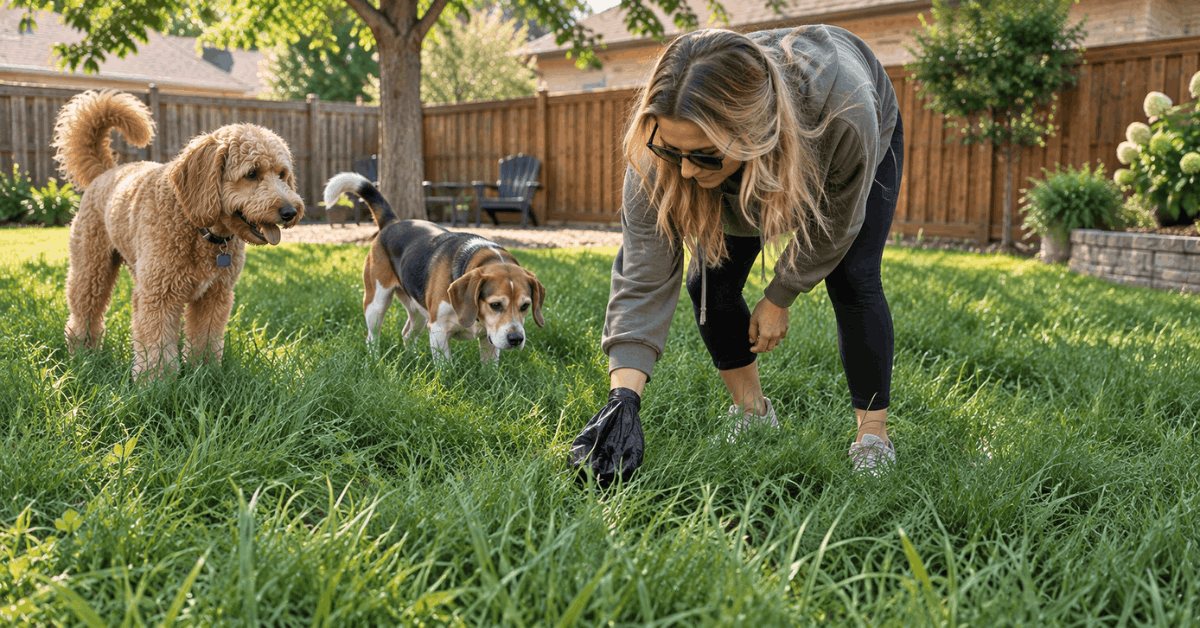
Anyone who has searched a backyard with a poop bag in one hand and a rake in the other knows how frustrating this can be. What looks like a clean patch of grass from one angle can hide several piles when you bend down, move a few leaves, or look from another direction.
The easiest way to find hidden dog poop is to stop wandering randomly and search the yard systematically. A simple grid pattern, good lighting, and careful movement of grass or leaves can help us find much more waste without stepping in it or spreading it around.
Why Dog Poop Is So Easy to Miss in Tall Grass and Leaves
Dog poop usually disappears because the yard changes around it. Grass grows over the edges, leaves fall across the top, rain darkens the pile, or days of yard debris make everything blend in.
The longer waste sits, the easier it becomes to overlook.
That matters because dog feces can carry germs that affect people and animals. The CDC recommends picking up dog poop even in our own yards and washing our hands after handling waste.
If you would rather spend your free time enjoying the yard instead of searching through tall grass and leaves, our professional poop scooping in OKC can help keep hidden piles from building up between cleanups.
For homeowners who want ongoing help, you can also compare our cleanup options and rates to find a service schedule that fits your yard, number of dogs, and how quickly waste accumulates.
We Scoop Poop
Get your yard back without the hassle. Click below for a free instant quote for professional dog poop cleanup in Oklahoma City—no obligations, no contracts, and no hidden fees.
Tall grass and leaves can hide pet waste quickly. A slow, organized search works much better than walking around the yard hoping to spot every pile.
Divide the yard into small sections and walk each section slowly so you do not skip large areas or repeatedly search the same spot.
Start near fence lines, corners, trees, gates, and other areas where your dog regularly stops to poop.
Look across the grass instead of straight down. Low sunlight or a flashlight can create shadows that make hidden piles easier to spot.
Use a rake to gently pull back small sections of leaves rather than creating one large pile that can bury dog waste even deeper.
Pick up each pile when you find it so you do not lose track of its location or accidentally step on it later.
Search the yard before mowing or mulching leaves. A mower can break hidden waste apart and spread it across the lawn and equipment.
How to Find Dog Poop in Tall Grass
Tall grass creates shadows and lets piles settle below the lawn’s surface, making looking straight down surprisingly ineffective.
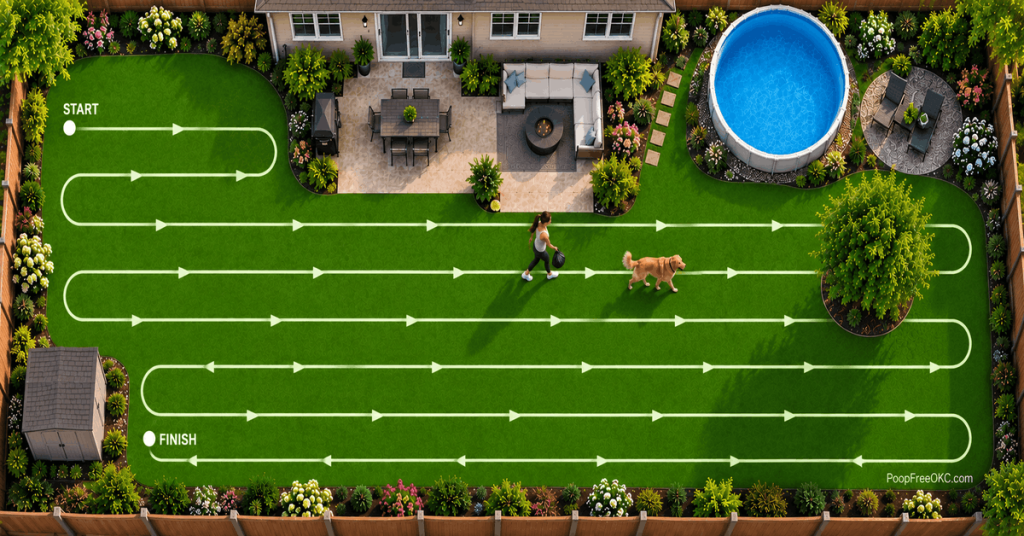
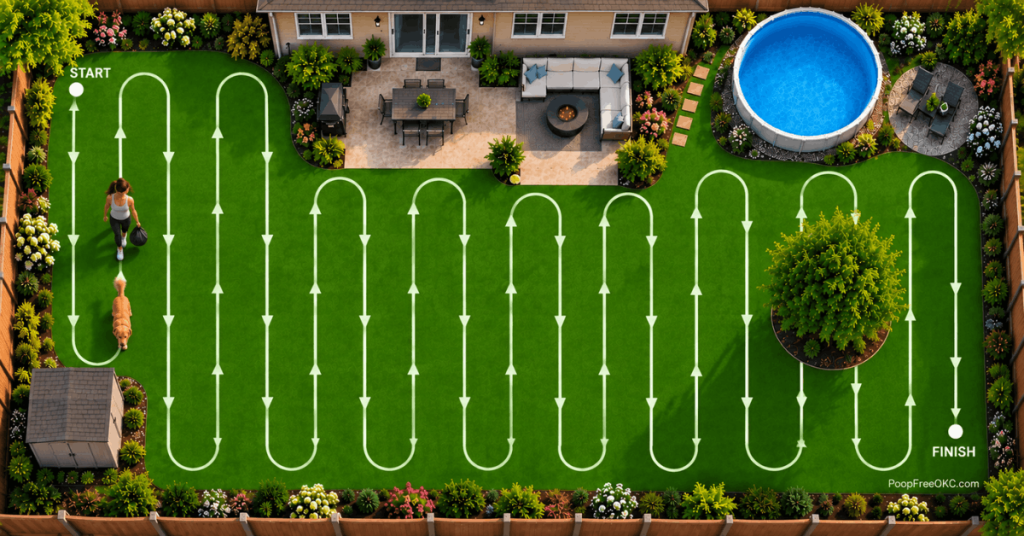
Search the Yard in a Grid
Start at one corner and walk straight across the yard. Move over a few feet and walk back in the opposite direction.
Think of mowing stripes.
This keeps us from wandering around randomly and overlooking entire sections.
Look Across the Grass, Not Just Down
Change your viewing angle.
Crouching slightly or looking across the lawn can reveal shapes and shadows that disappear when we stand directly over them.
Early morning and late afternoon light can also help because lower sunlight creates stronger shadows.
Check Where Your Dog Usually Goes
Most dogs develop favorite areas.
Check:
- Along fences
- Near gates
- Behind sheds
- Around trees
- Yard corners
- Areas away from the patio
- Spots your dog frequently sniffs before pooping
Learning your dog’s normal bathroom routine can dramatically shorten the search.
Separate Tall Grass Carefully
Use a rake, small garden tool, or gloved hand to move grass aside gently.
Avoid stepping heavily through an area before checking it. Once a hidden pile gets flattened into wet grass, cleanup becomes much harder.
Should You Mow Before Picking Up Dog Poop?
No. Search first.
Mowing over hidden dog poop can break the waste into smaller pieces and spread residue onto the grass, mower deck, wheels, and blades.
Instead:
Search → Scoop → Mow
If the grass is extremely tall, inspect what you can see first, then trim cautiously in stages so you can check newly exposed areas before continuing.
How to Find Dog Poop Hidden Under Leaves
Leaves create a different problem because even a relatively fresh pile can disappear completely underneath them.
Rake Small Areas at a Time
Do not immediately rake the entire yard into one giant pile.
Instead, pull leaves back in thin sections. Look at the exposed ground, remove any waste, then continue.
This takes longer, but it keeps hidden poop from getting mixed throughout a large pile of leaves.
Work Toward Yourself
Stand on the cleared side and pull leaves toward you.
That way, you can inspect the ground before stepping into the next section.
Scoop Before Bagging or Mulching Leaves
If dog poop is mixed into the leaves, remove the feces before treating those leaves as normal yard debris.
Iowa State University Extension advises against putting dog or cat feces in a home compost pile because harmful pathogens may survive the composting process.
For more about what to do once the waste is collected, read our guide to proper dog waste disposal in Oklahoma City.
What Tools Make Hidden Dog Poop Easier to Find?
You do not need special equipment, but a few basic tools make the job much easier:
- Long-handled rake
- Pooper scooper
- Waste bags
- Disposable gloves
- Small hand rake
- Flashlight
- Bucket lined with a trash bag
A flashlight can be especially useful early in the morning or after sunset. Hold it lower rather than pointing straight down. Side lighting creates shadows around objects hidden in the grass.
What About Old or Dried Dog Poop?
Older piles can be even harder to spot because they darken, flatten, break apart, or become covered with yard debris.
Move leaves and grass slowly so the pile does not crumble.
Use a rake-and-pan or flat scoop to lift as much material as possible.
If the stool has broken into smaller pieces, make another pass after removing the larger pile.
For very loose stool, the cleanup method changes. Our guide on how to clean dog diarrhea from your yard explains how to remove soft or watery waste without spreading it.
Why You Should Not Leave Hidden Dog Poop in the Yard
Missing one pile happens. Letting waste build up is different.
The CDC states that dog poop can carry germs that may make people and animals sick and recommends removing feces from yards and disposing of them properly.
Rain can also carry pet waste through yards and into stormwater. EPA guidance explains that improperly managed pet waste can contribute bacteria, parasites, nitrogen, and phosphorus to waterways.
Our article on the health risks of neglected pet waste explains why regular removal matters for pets, families, and outdoor spaces.
How Often Should You Search the Yard?
For most dog households, frequent cleanup is much easier than waiting until dozens of piles are hidden under vegetation.
How often you need to search depends on:
- Number of dogs
- Dog size
- Yard size
- Grass growth
- Leaf cover
- Weather
- How often the yard is used
Our guide on how often to clean up dog poop in your yard can help you build a schedule that fits your household.
Find The Perfect Scoop Plan
Answer a few quick questions about your yard and dogs, and we’ll help point you toward the cleanup plan that makes the most sense.
What Poop Free OKC Customers Should Know About Tall Grass and Leaves
Tall grass and heavy leaf cover make pet waste harder to see, even when we search carefully.
Keeping grass reasonably maintained and removing heavy leaf buildup gives us a clearer view of the ground and helps us find more of the waste during each visit.
If the yard has fallen significantly behind, getting the vegetation under control before the cleanup can make a noticeable difference in what we can locate.
Find the Perfect Scoop Plan
Answer a few quick questions about your yard and dogs, and we’ll help point you toward the cleanup schedule that makes the most sense.
Find the Best Dog Poop Removal Plan
The “Bottom” Line: Finding Dog Poop in Tall Grass and Leaves
Finding hidden dog poop is easier when we stop searching randomly.
Work in a grid, start with your dog’s favorite bathroom areas, change your viewing angle, and move grass or leaves in small sections. Scoop each pile as soon as you find it, and always check the lawn before mowing or mulching leaves.
The most effective solution is consistency. Frequent cleanup gives grass less time to grow over piles or leaves to bury them.
While your dog handles the hiding, we’ll handle the finding. No contracts. Local, veteran-operated service. Less mess. Get your instant price today!
8 FAQs About Dog Poop Hidden in Tall Grass and Leaves
How do I find dog poop hidden under leaves?
Should I mow the grass before picking up dog poop?
What cleaner should I use for dog poop on artificial grass?
Can I rake leaves if dog poop is mixed in them?
How do I find old dog poop in the yard?
What should I do if the hidden dog poop is soft?
How often should I check my yard for dog poop?
What tools help find dog poop hidden in a yard?

About Carlton
Carlton Wolf is the founder of Poop Free OKC, a veteran-owned pet waste removal company serving Oklahoma City and the surrounding metro. As a U.S. Coast Guard veteran, Carlton built Poop Free OKC to provide reliable, professional yard cleanup for busy dog owners who want a cleaner, safer outdoor space without the hassle.
PILES OF KNOWLEDGE
Pet Health & Safety
Pet Waste Removal Tips
Pet Yard & Home Care
1st Anniversary Special
Claim Your FREE Poop Scoop!
*The next 25 customers who sign up for recurring service.
You May Also Like…
Dog Poop on Concrete? How to Clean Patios and Hard Surfaces
Dog poop can stain concrete, leave odors behind, and work into porous patio surfaces. Learn how to remove fresh, dried, and loose waste without spreading the mess or damaging the surface.
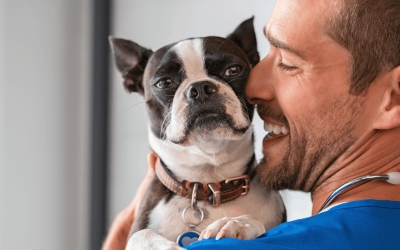
How to Collect and Store a Dog Stool Sample for the Vet
Need to bring a dog stool sample to the vet? Learn how much to collect, what container to use, when to refrigerate it, and how fresh the sample should be.
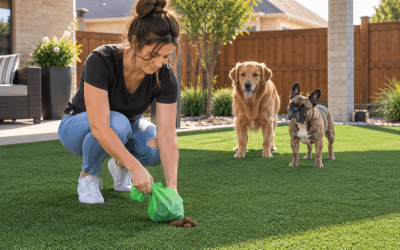
How to Clean Dog Poop From Artificial Turf
Dog poop can leave residue and odor behind on artificial grass. Learn how to remove solid and soft waste, rinse correctly, clean the turf, and prevent smells.
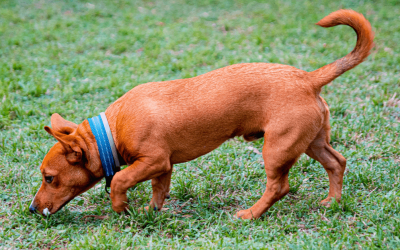
Why Do Dogs Circle and Sniff Before They Poop?
Dogs often sniff, circle, and carefully choose a spot before they poop. Learn why dogs do this, what scent has to do with it, and when the behavior may signal a problem.
How to Clean Up Dog Diarrhea in Your Yard
Dog diarrhea can be difficult to remove from grass without making the mess bigger. Learn how to handle fresh and dried diarrhea, clean your tools, avoid common mistakes, and know when it is time to call your veterinarian.
How to Stop Your Dog From Humping
Dog humping can be caused by excitement, stress, habit, attention-seeking, or sexual behavior. Learn how to stop it and when to call your vet.