Home » Blog » Pet Yard & Home Care »
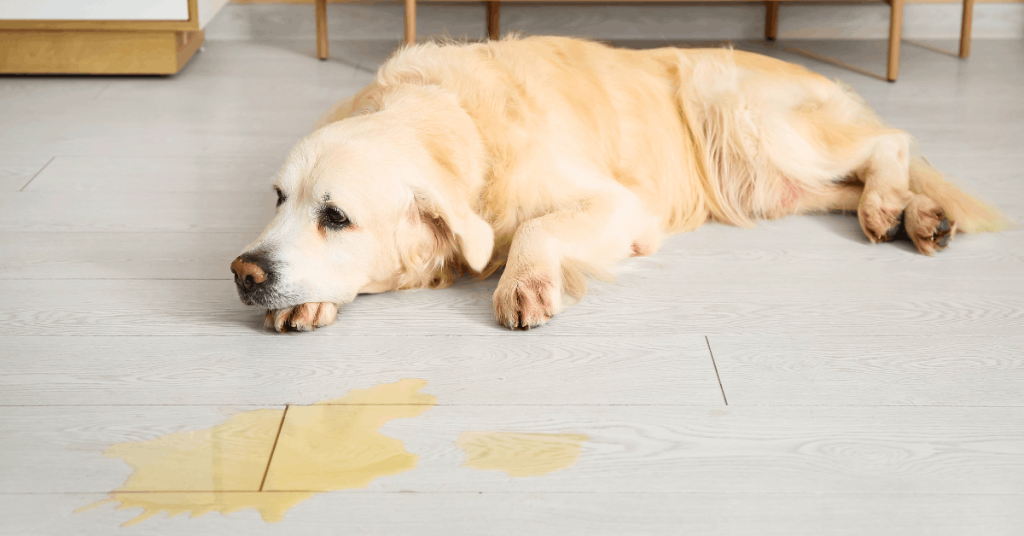
A dog peeing in the house can be frustrating, confusing, and stressful. It is even harder when your dog was already house-trained and suddenly starts having accidents again.
Before we assume a dog is being stubborn, guilty, or “doing it on purpose,” we need to slow down and look at the cause. Indoor peeing can happen because of a medical problem, urine marking, anxiety, excitement, age, routine changes, incomplete house training, or poor access to outdoor potty breaks.
The Veterinary Centers of America explains that house soiling can come from incomplete house training, medical issues, fear or anxiety, frustration, aging-related changes, or communication behaviors like marking. Merck Veterinary Manual also notes that medical causes, pain, increased urine volume, lack of control, and anxiety should be considered when a dog starts eliminating indoors.
The right fix depends on the reason. A dog with a urinary tract infection needs a vet, not more scolding. A dog that is marking needs management and training. A puppy needs structure. A senior dog may need more frequent breaks and medical support.
Bathroom timing also matters. If your dog is peeing inside after long stretches without a break, read our guide on how long dogs can hold their pee to better understand normal potty timing, age differences, and when holding urine too long may become a problem.
If you have a young dog, the issue may be less about bad behavior and more about routine, timing, and training. Our guide on potty training a puppy can help you build a clearer schedule and reduce indoor accidents.
If your dog is leaving stool rather than urine, the possible causes are different. Learn why a house-trained dog may suddenly start pooping in the house and which changes may require veterinary attention.
First, Rule Out a Medical Problem
A sudden change in bathroom habits should always get your attention. If a house-trained dog starts peeing indoors, a medical issue may be the cause.
Cornell University College of Veterinary Medicine lists accidents in the house, blood in the urine, and other urinary changes as possible signs of urinary tract infection. VCA also explains that testing may include a physical exam and urinalysis when a dog has inappropriate urination, because signs can point to problems such as infection, inflammation, obstruction, diabetes, kidney disease, or incontinence.
Call your veterinarian if your dog has:
- Sudden indoor accidents
- Frequent urination
- Straining to pee
- Blood in the urine
- Strong urine odor
- Excessive thirst
- Leaking while resting
- Pain while peeing
- Licking the urinary area
- Low energy
- Vomiting
- Appetite changes
This step matters most for puppies, senior dogs, spayed females, dogs with diabetes or kidney concerns, and any dog whose accidents begin suddenly.
We Scoop Poop
Get your yard back without the hassle. Click below for a free instant quote for professional dog poop cleanup in Oklahoma City—no obligations, no contracts, and no hidden fees.
Indoor pee accidents can happen for medical, behavioral, or training reasons. These six steps can help you find the cause and build a better routine.
Sudden accidents, frequent urination, blood, straining, thirst, leaking, or pain should be checked by a veterinarian before assuming it is a training problem.
Use an enzymatic cleaner made for pet urine. Lingering odor can pull your dog back to the same spot and make indoor peeing harder to stop.
Take your dog out first thing in the morning, after meals, after naps, after play, when you get home, and before bedtime.
Praise and reward your dog right after they pee outside. Timing matters because it helps your dog connect the reward to the correct behavior.
Block access to favorite indoor pee areas while retraining. Use baby gates, closed doors, supervision, or a smaller safe space.
Scolding after the fact can create fear and confusion. Clean the mess, adjust the schedule, supervise better, and reward the behavior you want.
Common Reasons Dogs Pee in the House
Indoor peeing is not one problem. It is a symptom with several possible causes.
1. Incomplete House Training
Some dogs were never fully house trained. They may understand the rules most of the time but still struggle when unsupervised, excited, or left too long.
This can happen with puppies, newly adopted dogs, rescue dogs, or dogs that were allowed to pee indoors on pads and then expected to switch outside without a clear routine.
2. House Training Setbacks
Even a well-trained dog can have a setback after a move, a schedule change, a new baby, a new pet, illness, boarding, bad weather, or fewer bathroom breaks.
When the routine changes, the training may need a short reset.
3. Urine Marking
Urine marking usually involves smaller amounts of urine, often on vertical objects, furniture, corners, doors, curtains, or items that smell new or unfamiliar.
VCA says marking can be triggered by anxiety or frustration related to social or environmental changes, such as a new person, new pet, new schedule, remodeling project, or changes in relationships inside the home.
4. Anxiety or Separation Stress
Some dogs pee inside when they feel stressed or panicked. ASPCA notes that separation anxiety may include house soiling, destructive behavior, barking, pacing, or distress when a dog is left alone.
If your dog only pees when you are gone, watch for signs like drooling, scratching doors, trying to escape, howling, or destroying items near exits.
5. Excitement or Submissive Urination
Some dogs, especially puppies and sensitive dogs, pee when greeting people, being approached, getting excited, or feeling intimidated.
VCA explains that excitement, submissive, and conflict-related urination can happen when a dog loses control during greetings, fear, arousal, or uncertainty.
6. Aging and Incontinence
Senior dogs may have weaker bladder control, pain, mobility problems, cognitive changes, or medical conditions that make bathroom timing harder.
Merck notes that urinary incontinence can include urine spots where a pet sleeps, discomfort, skin irritation, and odor. Merck Veterinary Manual also notes that urethral sphincter mechanism incompetence is a common cause of urinary incontinence in dogs, especially spayed female dogs.
Find The Perfect Scoop Plan
Answer a few quick questions about your yard and dogs, and we’ll help point you toward the cleanup plan that makes the most sense.
How to Stop Your Dog From Peeing in the House
Once you’ve ruled out or treated medical problems, focus on routine, cleaning, supervision, and rewards.
1. Clean Every Accident the Right Way
Dogs are drawn back to urine odor. If the smell remains, the same spot can become a repeat bathroom area.
Use an enzymatic cleaner made for pet urine. These cleaners help break down odor instead of just covering it up. Avoid ammonia-based cleaners because they can smell similar to urine to some dogs.
Clean deeper than the surface. Urine can soak into rugs, carpet pads, baseboards, furniture, and grout.
2. Restart the Potty Schedule
Treat the situation like a house training reset.
Take your dog out:
- First thing in the morning
- After meals
- After naps
- After play
- After drinking water
- Before leaving home
- Right when you get home
- Before bedtime
ASPCA recommends making house training positive and rewarding successful elimination in the right place.
3. Reward Outdoor Peeing Immediately
Do not wait until your dog comes back inside. Reward the moment they finish peeing outside.
Use praise, treats, or a short happy phrase like:
- “Good potty!”
- “Yes, outside!”
- “Good job!”
The reward tells your dog exactly what worked.
4. Supervise More Closely Indoors
During the reset, slowly earn back freedom.
Use:
- Baby gates
- Closed doors
- A leash attached to you
- Crate time if your dog is crate trained
- A smaller supervised area
The goal is not punishment. The goal is prevention. Every indoor accident makes the habit harder to break.
5. Block Repeat Pee Spots
If your dog keeps peeing in the same area, block access while you retrain.
You can use furniture, baby gates, closed doors, washable rugs, or supervised access only. VCA recommends restricting access to marked sites while training is underway.
6. Do Not Punish After the Fact
Punishing a dog after you find urine does not teach them where to pee. It may only teach them to hide accidents from you.
Merck Veterinary Manual explains that punishing a dog after discovering house soiling is ineffective because the dog will not connect the punishment with the earlier accident, and it may increase anxiety.
Instead, clean the mess, adjust the routine, and reward the behavior you want.
7. Handle Marking Differently Than Full Accidents
If your dog is marking, the plan may need extra management.
Try this:
- Block access to marked areas
- Clean spots with enzymatic cleaner
- Reduce access to windows or doors if outside triggers cause marking
- Keep new items off the floor
- Supervise around guests, bags, and furniture
- Reward outdoor marking in appropriate areas
- Ask your vet about spay/neuter, anxiety, or behavior support if needed
Belly bands may help manage marking in some cases, but they are not a cure. VCA warns that soiled bands must be changed because skin infection can happen if urine stays against the skin.
8. Make Outdoor Potty Breaks Easier
Some dogs avoid going outside if the yard feels uncomfortable, dirty, noisy, hot, icy, or stressful.
A clean, easy-to-use potty area can help. Keep grass manageable, remove old pet waste, and give your dog a consistent place to go. If the yard has a strong odor, old messes, or too many distractions, some dogs may rush back inside and then pee later.
Poop Free OKC helps homeowners keep outdoor spaces cleaner with dog poop removal services, and odor-focused services like PF Fresh™ Yard Deodorizing can help freshen areas where pets spend time.
We Scoop Poop
Get your yard back without the hassle. Click below for a free instant quote for professional dog poop cleanup in Oklahoma City—no obligations, no contracts, and no hidden fees.
When to Call a Vet or Trainer
Call your veterinarian first if the peeing is sudden, frequent, painful, bloody, or paired with thirst, leaking, low energy, vomiting, appetite changes, or behavior changes.
After medical causes are ruled out, a certified professional dog trainer or veterinary behavior professional can help with marking, anxiety, excitement urination, rescue dog adjustment, or long-term house training problems.
The “Bottom” Line: Dog Peeing in House
To stop your dog from peeing in the house, find the cause first. A medical issue, marking, stress, aging, excitement, or a training gap can all look like the same problem on your floor.
Start with a vet check when accidents are sudden or unusual. Then clean urine spots deeply, rebuild a consistent potty routine, supervise closely, reward outdoor success, and avoid punishment.
👉 Want the outdoor potty area to stay cleaner too? Poop Free OKC can help keep your yard easier to use, fresher, and ready for every bathroom break. Get a free dog poop cleanup quote in OKC.
8 Popular FAQs About Dogs Peeing in the House
Why is my dog suddenly peeing in the house?
How do I stop my dog from peeing in the house?
Should I punish my dog for peeing inside?
Why does my house-trained dog pee inside?
What cleaner should I use for dog pee in the house?
Is my dog peeing inside because of anxiety?
Why does my dog pee when excited?
When should I call the vet for indoor peeing?

About Carlton
Carlton Wolf is the founder of Poop Free OKC, a veteran-owned pet waste removal company serving Oklahoma City and the surrounding metro. As a U.S. Coast Guard veteran, Carlton built Poop Free OKC to provide reliable, professional yard cleanup for busy dog owners who want a cleaner, safer outdoor space without the hassle.
Sources
- VCA Animal Hospitals: Dog Behavior Problems — House Soiling
- Cornell University College of Veterinary Medicine: Urinary Tract Infections in Dogs
- VCA Animal Hospitals: Testing for Inappropriate Urination
- VCA Animal Hospitals: Dog Marking Behavior
- ASPCA: Separation Anxiety in Dogs
- VCA Canada: Submissive, Excitement, and Conflict Urination
- Merck Veterinary Manual: Behavior Problems of Dogs
- Merck Animal Health: Incontinence in Pets
PILES OF KNOWLEDGE
Pet Health & Safety
Pet Waste Removal Tips
Pet Yard & Home Care
Grand Opening Special
Claim Your FREE Poop Scoop!
*First 50 who sign up for recurring service.
You May Also Like…
How to Clean Dog Poop From Artificial Turf
Dog poop can leave residue and odor behind on artificial grass. Learn how to remove solid and soft waste, rinse correctly, clean the turf, and prevent smells.
Why Do Dogs Circle and Sniff Before They Poop?
Dogs often sniff, circle, and carefully choose a spot before they poop. Learn why dogs do this, what scent has to do with it, and when the behavior may signal a problem.
How to Clean Up Dog Diarrhea in Your Yard
Dog diarrhea can be difficult to remove from grass without making the mess bigger. Learn how to handle fresh and dried diarrhea, clean your tools, avoid common mistakes, and know when it is time to call your veterinarian.
How to Stop Your Dog From Humping
Dog humping can be caused by excitement, stress, habit, attention-seeking, or sexual behavior. Learn how to stop it and when to call your vet.
Why Is My Dog Pooping in the House All of a Sudden?
A dog suddenly pooping in the house may have a health issue, stress, aging changes, diet trouble, or a schedule problem. Learn what to check and how to fix it.
Why Does My Dog Lick Me?
Dogs lick people for many reasons, including affection, attention, taste, stress, greeting, and learned behavior. Learn what licking usually means and when it may signal a problem.