Home » Blog » Health & Safety »
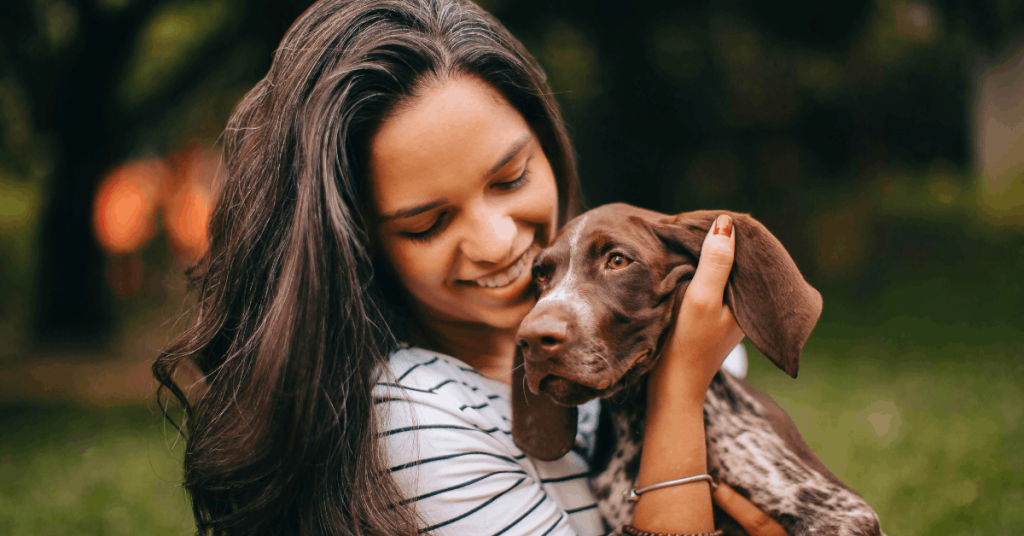
Dogs may not say “I love you” the way we do, but they show it every day through body language, habits, trust, and connection. Some dogs are obvious about it. They wag, lick, follow, lean, and greet us like we have been gone for a year instead of ten minutes. Other dogs are quieter. They may show love by resting nearby, checking in during walks, bringing a toy, or relaxing when we are close.
So, how can we tell if a dog loves us?
The key is to look at the whole picture. One behavior by itself does not always prove affection. A wagging tail can mean happiness, but it can also mean excitement, uncertainty, or stress, depending on the rest of the dog’s body language. Real affection usually shows up as a pattern of trust, comfort, attention, and choice.
If your dog chooses to be near you, follows you into the bathroom, relaxes around you, looks to you for guidance, greets you happily, and feels safe in your presence, there is a good chance you are one of their favorite people.
Do Dogs Really Feel Love?
Yes, dogs can form strong emotional bonds with people. We should be careful not to assume dogs experience love exactly like humans do, but dogs clearly form attachments, trust, comfort, and social connections with their people.
That bond is built through daily routines, food, safety, play, touch, training, and time together. Your dog learns that you are the person who feeds them, protects them, understands them, and gives them access to the things they enjoy.
Over time, that creates trust. And for dogs, trust is one of the clearest signs of love.
We Scoop Poop
Get your yard back without the hassle. Click below for a free instant quote for professional dog poop cleanup in Oklahoma City—no obligations, no contracts, and no hidden fees.
Dogs show love through trust, comfort, body language, and the way they choose to spend time with us. These six signs can help you understand what your dog may be telling you.
A dog that follows you, naps nearby, or checks where you are during the day is often showing comfort, trust, and a strong bond.
Loose tail wags, soft eyes, wiggly body language, happy sounds, or bringing a toy to the door can all be signs your dog is excited to see you.
Relaxed eye contact, gentle blinking, and calm check-ins can show that your dog feels safe with you and trusts your guidance.
When your dog sleeps near you, stretches out, leans against you, or rests calmly in your space, they are showing they feel secure.
Toys, balls, bones, or even random gifts can be your dog’s way of inviting play, asking for attention, or sharing something they value.
A dog that lets you brush them, clean their paws, check their ears, or guide them through daily routines is showing trust built over time.
10 Signs Your Dog Loves You
Dogs show love in simple, everyday ways. From soft eye contact and happy greetings to following you around the house, these small behaviors can say a lot about the trust and bond your dog feels with you.
1. Your Dog Wants to Be Near You
One of the clearest signs your dog loves you is that they choose your company. They may follow you into the kitchen, nap near your feet, sit beside you on the couch, or keep an eye on you from across the room.
This does not mean a loving dog has to be attached to you every second. Some dogs are naturally independent. But if your dog regularly chooses to spend time close to you, that is a strong sign they feel safe and connected.
A dog that loves you may:
- Follow you from room to room
- Lie near your feet
- Sit beside you outside
- Wait by the door when you leave
- Check where you are during the day
- Choose your room when you want to rest
This quiet companionship is easy to overlook, but it often means a lot.
2. Your Dog Greets You Happily
A happy greeting is one of the most obvious signs of affection. Your dog may wag their tail, wiggle their body, grab a toy, bark excitedly, or run in circles when you come home.
The important part is the overall body language. A happy dog usually looks loose, wiggly, and excited without appearing stiff or fearful.
Common happy greeting signs include:
- Loose tail wagging
- Relaxed face
- Soft eyes
- Wiggly body
- Playful bouncing
- Happy vocal sounds
- Bringing a toy to the door
Not every dog greets the same way. Some dogs celebrate loudly. Others walk over, lean in, and quietly ask for attention. Both can be signs of love.
3. Your Dog Makes Soft Eye Contact
Soft eye contact can be a sign of trust and connection. A loving dog may look at you with relaxed eyes, then blink, look away, or settle near you.
This is different from a hard stare. A hard stare with a stiff body can be a warning sign. A soft gaze, a relaxed face, a loose body, and a calm posture usually signal comfort.
Dogs often use eye contact to check in with us. During walks, training, or play, your dog may glance back to see what you are doing. That small “check-in” can show that your dog values your presence and trusts your guidance.
4. Your Dog Leans Against You
When a dog leans into your legs or rests against you, they may be seeking closeness, reassurance, or affection.
Leaning is often a trust behavior. Your dog is leaning toward you because they feel comfortable. This can happen during calm moments, after excitement, or when your dog wants comfort.
A loving lean usually comes with relaxed body language. If your dog is leaning while trembling, panting, or hiding, they may be seeking comfort because they feel scared. Either way, your dog is showing that you are someone they trust.
5. Your Dog Brings You Toys or “Gifts”
Some dogs show affection by bringing toys, bones, socks, balls, or random household treasures. To us, it may look silly. To your dog, it may be an invitation to play, a greeting ritual, or a way of sharing something valuable.
A dog may bring you a toy because they want:
- Playtime
- Attention
- Interaction
- Praise
- A shared activity
- A happy greeting routine
This does not mean you need to play every single time. But when your dog brings you something with a loose, happy body, it is often a sweet sign that they want to connect.
Find The Perfect Scoop Plan
Answer a few quick questions about your yard and dogs, and we’ll help point you toward the cleanup plan that makes the most sense.
6. Your Dog Sleeps Near You
Sleep is vulnerable. When a dog chooses to sleep near you, it often means they feel safe. Your dog may sleep in your room, near your bed, on the couch beside you, or in a favorite spot where they can still see you.
Some dogs want full contact. Others prefer their own space but still stay nearby. Both can show trust.
A dog that sleeps near you is saying, in their own way, “I feel safe here.”
7. Your Dog Checks In With You
A dog that loves and trusts you often checks in throughout the day. This can happen at home, in the yard, or during walks.
Checking in may look like:
- Looking back at you on a walk
- Coming when called
- Pausing to see where you are
- Following your movement
- Responding to your voice
- Looking to you when unsure
This does not mean your dog is perfectly trained. It means your dog sees you as part of their world and looks to you for direction.
8. Your Dog Shows a Relaxed Body Around You
Relaxed body language is one of the most important signs that your dog feels safe with you. A dog that loves and trusts you may stretch out, roll onto their side, rest their head, soften their eyes, or breathe calmly near you.
Signs of a relaxed dog include:
- Loose body posture
- Soft eyes
- Relaxed mouth
- Gentle tail movement
- Normal breathing
- Comfortable sleeping positions
- Choosing to stay nearby
A relaxed dog is not worried about protecting themselves from you. That comfort is a big deal.
9. Your Dog Licks You
Many dogs lick as a form of affection, greeting, attention-seeking, or social bonding. A few licks on your hand or face may be your dog’s way of saying hello or asking for interaction.
However, licking can have other meanings too. Dogs may lick when they are anxious, bored, hungry, or trying to soothe themselves. If licking becomes constant, obsessive, or new, it may be worth asking your veterinarian or trainer about it.
As with every sign, context matters.
Licking can be a sweet sign of affection, but it does not always mean the same thing. For more context, read our full guide on why dogs lick their owners.
10. Your Dog Lets You Care for Them
Love is not always loud. Sometimes it looks like trust during routine care.
If your dog allows you to brush them, clean their paws, check their ears, put a leash on them, or gently handle them, it can show trust. Dogs do not automatically enjoy every care task, but a bonded dog is often more willing to cooperate because they feel safe with us.
We can build this trust by moving slowly, using praise, rewarding calm behavior, and never forcing scary handling unless safety requires it.
We Scoop Poop
Get your yard back without the hassle. Click below for a free instant quote for professional dog poop cleanup in Oklahoma City—no obligations, no contracts, and no hidden fees.
What If My Dog Does Not Show Affection the “Normal” Way?
Not every dog is cuddly. Some dogs love us from across the room. Others show affection through play, routine, protection, or quiet presence.
A dog may be less physically affectionate because of:
- Breed tendencies
- Past experiences
- Age
- Personality
- Health
- Pain
- Anxiety
- Lack of early socialization
- Preference for space
This does not mean your dog does not love you. It means their love may look different.
If your dog suddenly becomes distant, irritable, clingy, or less affectionate than normal, consider a vet visit. Sudden changes in behavior can sometimes indicate pain, illness, stress, or changes at home.
Signs That May Look Like Love But Need Context
Some dog behaviors can be affectionate, but they can also mean something else.
For example:
- Following everywhere may mean love, but it can also mean separation anxiety.
- Licking may mean affection, but it can also mean stress.
- Leaning may mean closeness, but it can also mean fear.
- Tail wagging may mean happiness, but a stiff wag can signal tension.
- Rolling over may mean trust, but it can also be a request for space.
This is why we should read the whole dog, not just one signal. Look at the ears, eyes, mouth, body, tail, movement, breathing, and the situation.
How to Show Your Dog You Love Them Back
Dogs feel safest when our actions are consistent. We do not need to overdo it. Simple daily habits build the strongest bond.
Ways to show your dog love include:
- Feed them on a reliable schedule
- Give them fresh water
- Use kind, reward-based training
- Play with them daily
- Take walks and sniff breaks
- Respect their body language
- Keep their yard clean and safe
- Provide vet care when needed
- Give them rest and routine
- Avoid punishment-based training
A clean yard also gives your dog a better place to play, sniff, and spend time with the family. If keeping up with the mess gets hard, Poop Free OKC can help with professional dog poop removal services so your dog’s outdoor space stays cleaner and easier to enjoy.
The “Bottom” Line: How to Tell If Your Dog Loves You
Your dog may show love through soft eyes, happy greetings, leaning, following, sleeping near you, bringing toys, checking in, and relaxing in your presence.
The biggest signs are not always dramatic. Often, love looks like trust. If your dog chooses to be near you, feels safe with you, and looks to you for comfort, guidance, and play, you likely mean a lot to them.
👉 Want a cleaner yard for more playtime, belly rubs, and happy dog moments? Let Poop Free OKC handle the dirty work so you and your dog can enjoy the yard more. Get a free dog poop removal quote today.
8 Popular FAQs About How Dogs Show Love
How do I know if my dog loves me?
You can tell your dog loves you when they choose to be near you, greet you happily, relax around you, make soft eye contact, follow you, bring you toys, and look to you for comfort or guidance.
Do dogs really love their owners?
Why does my dog follow me everywhere?
Is licking a sign my dog loves me?
Why does my dog sleep next to me?
Does my dog love me if they are not cuddly?
Why does my dog bring me toys?
Can a dog’s behavior change if they stop acting affectionate?

About Carlton
Carlton Wolf is the founder of Poop Free OKC, a veteran-owned pet waste removal company serving Oklahoma City and the surrounding metro. As a U.S. Coast Guard veteran, Carlton built Poop Free OKC to provide reliable, professional yard cleanup for busy dog owners who want a cleaner, safer outdoor space without the hassle.
PILES OF KNOWLEDGE
Pet Health & Safety
Pet Waste Removal Tips
Pet Yard & Home Care
Grand Opening Special
Claim Your FREE Poop Scoop!
*First 50 who sign up for recurring service.
You May Also Like…
Why Is My Dog Pooping in the House All of a Sudden?
A dog suddenly pooping in the house may have a health issue, stress, aging changes, diet trouble, or a schedule problem. Learn what to check and how to fix it.
Why Does My Dog Lick Me?
Dogs lick people for many reasons, including affection, attention, taste, stress, greeting, and learned behavior. Learn what licking usually means and when it may signal a problem.
How to Stop Your Dog From Peeing in the House
Dog peeing in the house can happen because of health issues, marking, stress, routine changes, or training gaps. Learn what to do next.
Are Dog Poop Digesters Worth It?
Dog poop digesters can sound like an easy backyard fix, but they come with limits. Learn how they work, the pros, the cons, and when they make sense.
Do Rescue Dogs Remember Their Past?
Rescue dogs may remember smells, routines, people, places, and emotional experiences. Learn what their behavior may mean and how to build trust.
How Long Can Dogs Hold Their Poop?
Wondering how long your dog can hold poop? Learn normal poop frequency, age-based potty schedules, warning signs, and cleanup tips.