Home » Blog » Health & Safety »
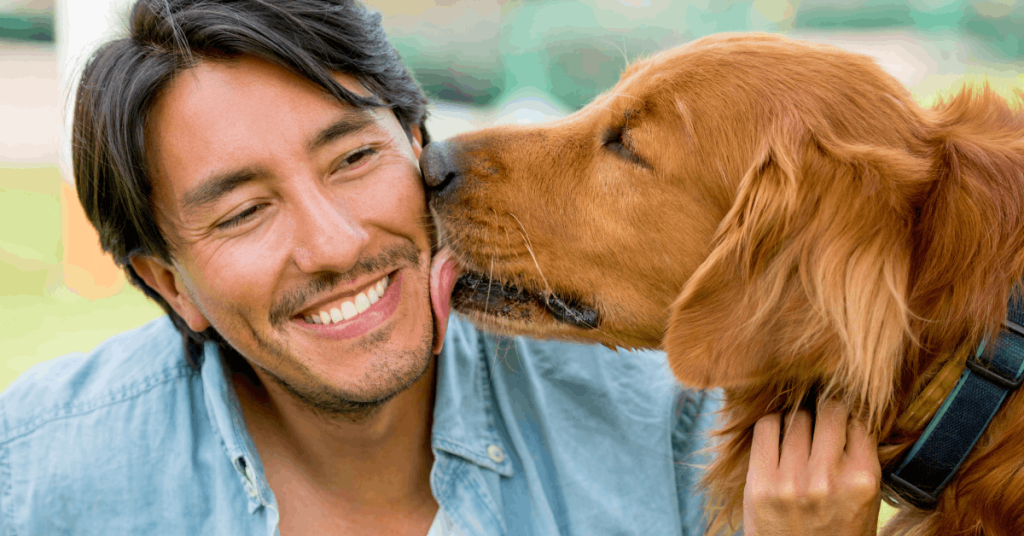
If your dog licks your hands, face, arms, or feet all the time, you are not alone. Many dog owners call these “dog kisses,” and sometimes that is exactly what they feel like. But licking does not always mean the same thing every time.
Dogs lick people for many reasons. They may lick to show affection, greet us, get attention, taste salt on our skin, explore smells, calm themselves, or communicate stress. Some licking is normal. Some licking becomes a habit. In other cases, sudden or excessive licking may point to anxiety, pain, allergies, stomach upset, or another health concern.
The best way to understand your dog’s licking is to look at the full situation. Where are they licking? When does it happen? Can you interrupt it? Does your dog seem happy, nervous, restless, or uncomfortable?
When we read the whole picture, licking starts to make more sense.
Why Dogs Lick
Dogs lick to communicate, explore, bond, and self-soothe. A few gentle licks can be a normal sign of affection or greeting, but licking can also happen because your dog likes the taste of your skin, wants attention, feels nervous, or has learned that licking gets a response. The meaning depends on the situation, your dog’s body language, and how often it happens.
Licking can feel like one of those strange habits that leaves dog owners wondering what is normal and what is not. We cover more of those head-scratching habits in our guide to weird dog behaviors explained
We Scoop Poop
Get your yard back without the hassle. Click below for a free instant quote for professional dog poop cleanup in Oklahoma City—no obligations, no contracts, and no hidden fees.
Dogs do not lick for just one reason. Licking can mean affection, greeting, attention-seeking, taste, stress relief, or a sign that something needs attention.
Many dogs lick as a social bonding behavior. A few gentle licks during calm moments may show comfort, trust, and affection.
Dogs often lick when they are happy to see us. It can be part of an excited hello along with tail wagging, wiggling, and seeking attention.
Human skin carries sweat, salt, lotion, food smells, and outdoor scents that dogs may find interesting, especially on hands, feet, and faces.
If licking gets a response, dogs may repeat it. Petting, talking, laughing, or eye contact can accidentally teach a dog that licking works.
Some dogs lick when they feel nervous, conflicted, or overstimulated. Licking can sometimes be a calming or appeasement behavior.
If licking becomes excessive, sudden, hard to interrupt, or paired with skin problems, anxiety, or compulsive behavior, it may need veterinary attention.
10 Reasons Dogs Lick People
Dogs lick for more than one reason. Sometimes it is affection, sometimes it is habit, and sometimes it is their way of asking for attention or dealing with stress. To understand what your dog is trying to say, look at when the licking happens, where they lick, and what their body language looks like.
1. Your Dog Is Showing Affection
Affection is one of the most common reasons dogs lick people. Dogs use licking as part of social bonding, and many owners see it as a sweet sign of trust.
A few gentle licks while your dog is relaxed, wagging softly, or cuddling beside you are usually nothing to worry about. In that moment, your dog may simply be saying, “I like being close to you.”
If you want to understand more ways dogs show affection, read our guide on how to tell if your dog loves you.
If you want to understand more ways dogs show affection, read our guide on how to tell if your dog loves you.
2. Your Dog Is Greeting You
Many dogs lick when they are excited to see us. If your dog runs over, wiggles, wags, and licks your hands or face when you come home, the licking may be part of their greeting routine.
This licking usually happens with happy body language. You may see a loose body, soft eyes, relaxed ears, and a wagging tail.
3. Your Skin Tastes Good
Dogs are drawn to taste and smell. Human skin can carry salt, sweat, lotion, food residue, sunscreen, soap, and outdoor smells.
That is why some dogs lick hands after we eat, feet after a long day, legs after exercise, or arms after we have been outside. To us, it may seem random. To a dog, your skin may be full of interesting information.
4. Your Dog Wants Attention
Licking often gets a reaction. We may laugh, talk, move, pet the dog, push the dog away, or say their name. From a dog’s point of view, that reaction can still feel rewarding.
If your dog licks you and you immediately respond, your dog may learn that licking works. Over time, attention-seeking licking can become a habit.
5. Your Dog Is Exploring Smells
Dogs use their noses first, but their mouths help them gather more information. Licking can help a dog investigate where you have been, what you touched, what you ate, or whether you handled another animal.
This is one reason dogs may lick more after you come home from work, the gym, the grocery store, the vet, or a friend’s house.
6. Your Dog Has a Grooming or Nurturing Instinct
Mother dogs lick their puppies to clean them and care for them. Adult dogs may still use licking as part of gentle social behavior.
Your dog may lick your hands, arms, or face during quiet moments because it feels natural and comforting. This type of licking is usually soft, calm, and easy to interrupt.
7. Your Dog Feels Nervous or Unsure
Not all licking is happy. Some dogs lick when they feel stressed, unsure, or socially uncomfortable. Licking can be an appeasement behavior, which means the dog may be trying to calm a situation or avoid conflict.
Stress-related licking may happen around strangers, loud noises, tense voices, crowded rooms, vet visits, or unfamiliar places.
Watch your dog’s body language. Nervous licking may come with:
- Tucked tail
- Ears back
- Lip licking
- Yawning
- Whale eye
- Pacing
- Hiding
- Trembling
- Avoiding eye contact
If licking shows up with several stress signals, the real issue may be anxiety, not affection.
8. Your Dog Is Bored
A bored dog may lick people, furniture, blankets, floors, paws, or toys because they need something to do. Licking can become a way to pass time, especially if your dog does not get enough walks, sniffing, training, play, or mental stimulation.
This can look like a dog that wanders over and licks you again and again, especially during quiet parts of the day.
Some licking habits are part of broader behavior patterns. For more examples, read our article on weird dog behaviors explained.
9. Licking Has Become a Learned Habit
Dogs repeat what works. If licking gets your dog attention, food, play, couch access, or a laugh, they may keep doing it.
This does not mean your dog is being bad. It means the behavior has been rewarded in some way. To change it, reward a different behavior instead.
For example, ask your dog to sit before greeting, then reward calm sitting with attention. Over time, your dog learns that calm behavior works better than licking.
10. Your Dog May Have a Medical or Behavioral Issue
Excessive licking can sometimes point to a health or behavior problem. This is especially true if the licking starts suddenly, becomes hard to interrupt, or your dog starts licking themselves, objects, floors, walls, or one body area over and over.
Possible concerns include:
- Allergies
- Skin irritation
- Pain
- Nausea
- Anxiety
- Compulsive behavior
- Hot spots
- Lick granulomas
- Injury
- Parasites
- Digestive discomfort
If your dog’s licking feels unusual, intense, or out of character, start with your veterinarian.
Find The Perfect Scoop Plan
Answer a few quick questions about your yard and dogs, and we’ll help point you toward the cleanup plan that makes the most sense.
Why Does My Dog Lick My Face?
Dogs may lick faces because faces are close to our mouths, smell interesting, and often get a big reaction. Face licking can be a greeting, a sign of affection, a way to gather information, or an attention-seeking habit.
Some people do not mind it. Others prefer to stop it. Either choice is fine as long as we stay consistent.
For hygiene, it is smart to avoid letting dogs lick around the mouth, nose, eyes, open cuts, or broken skin. Dogs explore the world with their mouths, and that can include dirt, trash, feces, and contaminated surfaces.
Why Does My Dog Lick My Hands?
Dogs often lick hands because our hands carry a lot of scent. We use them to eat, pet other animals, touch doors, carry bags, handle treats, and pick up objects.
Hand licking may mean your dog smells food, wants attention, or sees your hands as part of affection and care.
Why Does My Dog Lick My Feet?
Feet can be very interesting to dogs because they carry sweat, salt, and strong odor. Some dogs lick feet because they like the taste. Others do it because feet are easy to reach when we are sitting down.
If your dog licks feet constantly, calmly redirect them to a toy, chew, or place command instead of turning it into a game.
Is Dog Licking Safe?
A quick lick on the hand is usually not a big concern for healthy adults, but we still need to use common sense. If your dog eats poop, sniffs pet waste, or spends time licking dirty outdoor surfaces, it is best to avoid kisses around the mouth, nose, and face. Dogs explore the world with their mouths, so keeping face licking limited is a safer choice.
Avoid dog licking near:
- Mouths
- Eyes
- Noses
- Open cuts
- Scrapes
- Surgical sites
- Rashes
- Young children’s faces
- Anyone with a weakened immune system
Wash your hands after heavy licking, especially before eating.
A cleaner yard can also help reduce what your dog steps in, sniffs, or puts their mouth near. Regular dog poop removal services can help keep pet waste from building up where dogs and families spend time.
We Scoop Poop
Get your yard back without the hassle. Click below for a free instant quote for professional dog poop cleanup in Oklahoma City—no obligations, no contracts, and no hidden fees.
How to Stop Your Dog From Licking You
The goal is not to scare or punish your dog. The goal is to teach better behavior.
Stay Consistent
Decide what licking is allowed and what is not. If licking your hand is okay but face licking is not, respond the same way every time.
Reward Calm Behavior
Ask for a simple behavior like “sit,” “down,” or “place.” When your dog does it, reward with calm attention.
Remove Attention From Licking
If licking is attention-seeking, avoid turning it into a big event. Calmly turn away, stand up, or redirect your dog. Then reward them when they stop and settle.
Give Your Dog More to Do
Daily walks, sniff time, food puzzles, training games, and safe chews can reduce boredom licking.
Watch for Triggers
If your dog licks more during stress, look for the trigger. Visitors, loud sounds, separation, new pets, or schedule changes may all play a role.
Call Your Vet When Needed
Call your veterinarian if licking is sudden, excessive, hard to interrupt, or paired with sores, hair loss, vomiting, diarrhea, limping, anxiety, low energy, or behavior changes.
The “Bottom” Line: Why Dogs Lick People
Dogs lick people for many reasons. Sometimes it means affection. Sometimes it means greeting, taste, curiosity, stress, boredom, or habit.
Most licking is normal when it is brief, gentle, and easy to interrupt. Licking deserves more attention when it becomes sudden, obsessive, intense, or linked to health or anxiety signs.
By looking at timing, body language, and patterns, we can better understand what our dogs are trying to communicate.
👉 While your dog handles the kisses, Poop Free OKC can handle the yard. We help keep Oklahoma City metro backyards cleaner, fresher, and easier to enjoy. Get your instant price today!
8 Popular FAQs About Dog Licking
Why does my dog lick me so much?
Is my dog licking me because they love me?
Why does my dog lick my face?
Why does my dog lick my feet?
Should I let my dog lick me?
Can dog licking be a sign of anxiety?
Why does my dog lick me and not other people?
When should I worry about dog licking?

About Carlton
Carlton Wolf is the founder of Poop Free OKC, a veteran-owned pet waste removal company serving Oklahoma City and the surrounding metro. As a U.S. Coast Guard veteran, Carlton built Poop Free OKC to provide reliable, professional yard cleanup for busy dog owners who want a cleaner, safer outdoor space without the hassle.
Sources
- AKC: Why Does My Dog Lick Me?
- VCA Animal Hospitals: Why Do Dogs Lick Humans?
- Merck Veterinary Manual: Behavior Problems of Dogs
- VCA Animal Hospitals: Compulsive Disorders in Dogs
- VCA Animal Hospitals: Lick Granuloma in Dogs
- AKC: Can a Dog’s Lick Make You Sick?
- Merck Veterinary Manual: Behavior Problems in Dogs — Dog Owners
PILES OF KNOWLEDGE
Pet Health & Safety
Pet Waste Removal Tips
Pet Yard & Home Care
Grand Opening Special
Claim Your FREE Poop Scoop!
*First 50 who sign up for recurring service.
You May Also Like…
Why Is My Dog Pooping in the House All of a Sudden?
A dog suddenly pooping in the house may have a health issue, stress, aging changes, diet trouble, or a schedule problem. Learn what to check and how to fix it.
How to Stop Your Dog From Peeing in the House
Dog peeing in the house can happen because of health issues, marking, stress, routine changes, or training gaps. Learn what to do next.
Are Dog Poop Digesters Worth It?
Dog poop digesters can sound like an easy backyard fix, but they come with limits. Learn how they work, the pros, the cons, and when they make sense.
Do Rescue Dogs Remember Their Past?
Rescue dogs may remember smells, routines, people, places, and emotional experiences. Learn what their behavior may mean and how to build trust.
How Long Can Dogs Hold Their Poop?
Wondering how long your dog can hold poop? Learn normal poop frequency, age-based potty schedules, warning signs, and cleanup tips.
How Often Should You Clean Your Dog’s Gear?
Dog gear gets dirty fast. Learn how often to clean bowls, collars, leashes, harnesses, beds, blankets, toys, clothes, and more.