
Home » Blog » Health & Safety »
Rescue dogs often come with a story we only partly know. Some were loved deeply before life changed. Some were neglected, bounced between homes, or spent time in shelters. Others had good care but still feel nervous because everything familiar disappeared.
So, do rescue dogs remember their past?
Yes, rescue dogs can remember parts of their past, but not always in the same way people do. Dogs may remember smells, sounds, people, places, routines, handling, other animals, and emotional experiences. They may not sit around “thinking about the old days” as we might, but past experiences can shape how they react today.
Research has found evidence that dogs can recall past events in ways scientists describe as episodic-like memory, meaning they can remember more than simple habits or commands. Dogs are also very good at forming associations between experiences and emotions, such as fear, comfort, excitement, or safety.
For rescue dogs, that matters. A leash, doorway, raised voice, broom, car ride, crate, food bowl, or certain type of person may trigger a reaction because it reminds them of something they learned before. Sometimes these reactions can look like weird dog behaviors, such as hiding, freezing, pacing, barking, licking, or suddenly avoiding something that seems harmless to us. In many cases, the behavior makes more sense when we remember that the dog may be responding to an old memory, scent, sound, or feeling.
We Scoop Poop
Get your yard back without the hassle. Click below for a free instant quote for professional dog poop cleanup in Oklahoma City—no obligations, no contracts, and no hidden fees.
Rescue dogs may remember learned habits, emotional experiences, familiar scents, routines, people, and places. These memories can shape how they respond in a new home.
Some memories are built through repetition, like where to potty, how to sit, when to eat, or what usually happens when the leash comes out.
A rescue dog may connect certain sounds, movements, people, or places with fear, comfort, excitement, stress, or safety based on past experiences.
Dogs rely heavily on smell, so familiar scents from people, other animals, food, shelters, cars, blankets, or outdoor places may trigger a strong response.
Rescue dogs may remember familiar voices, previous owners, handlers, kind treatment, rough handling, or certain types of people based on past interactions.
Feeding times, shelter routines, car rides, vet visits, being left alone, and places where they felt safe or unsafe can all become part of a rescue dog’s memory.
A nervous rescue dog was not always abused. Fear can also come from poor socialization, sudden change, genetics, pain, shelter stress, or a confusing new environment.
How Rescue Dog Memory Works
Dogs remember in several ways. Some memories are learned habits, like where to potty or how to sit. Some are emotional memories, like feeling nervous when they hear shouting. Some are scent-based memories, which can be very strong because dogs rely heavily on smell.
A rescue dog may remember:
- Familiar voices
- Previous owners or handlers
- Other dogs or animals
- Shelter routines
- Feeding times
- Being left alone
- Car rides
- Vet visits
- Loud noises
- Rough handling
- Kind treatment
- Places where they felt safe or unsafe
This does not mean every nervous rescue dog was abused. Fear can come from poor socialization, sudden change, genetics, pain, shelter stress, or a confusing new environment.
What Rescue Dogs May Remember From the Past
People and Voices
Some dogs react strongly to certain people. A dog may be cautious around men, children, hats, uniforms, loud voices, or fast movements. That reaction may come from experience, but it can also come from lack of exposure.
Smells and Places
Smell is a major part of how dogs understand the world. A rescue dog may react to the smell of another dog, a kennel, a certain cleaner, smoke, food, perfume, or an outdoor area.
Handling and Gear
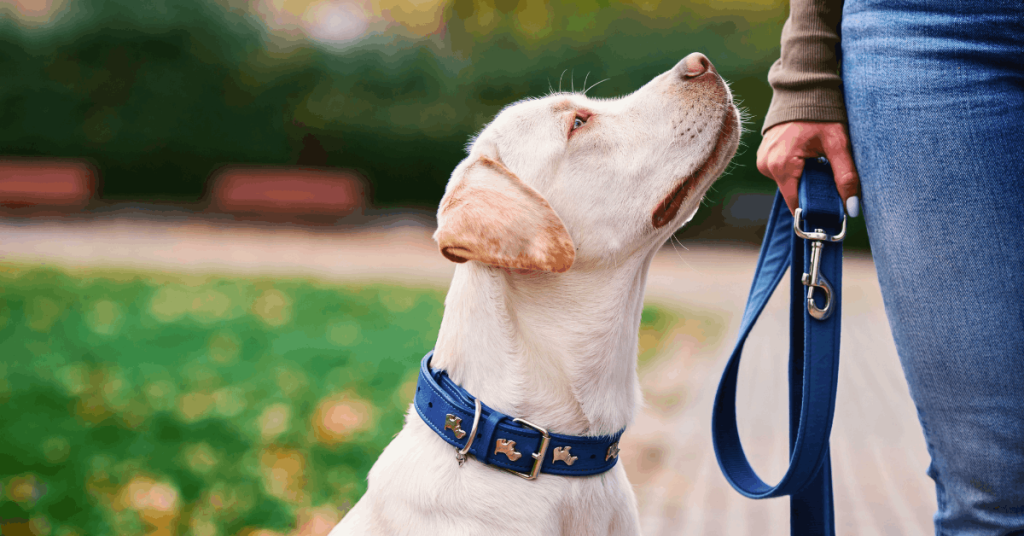
Collars, leashes, harnesses, crates, grooming tools, bowls, and car rides can all carry memories. A dog that was dragged by a collar may freeze when someone reaches for their neck. A dog that loved walks may light up when the leash comes out.
Routines
Dogs learn patterns quickly. A rescue dog may remember meal routines, sleeping spots, potty areas, or what usually happened when someone picked up keys.
Stressful Events
Some rescue dogs show fear around loud noises, confinement, fast hands, being cornered, or being left alone. Merck Veterinary Manual explains that fear, anxiety, and phobias can develop around triggers such as loud noises, car rides, boarding, veterinary clinics, or being left alone.
Common Signs a Rescue Dog Remembers Something
A rescue dog’s past may show up through body language and behavior.
Watch for:
- Hiding
- Freezing
- Flinching
- Cowering
- Trembling
- Tucked tail
- Pacing
- Heavy panting
- Refusing food
- Avoiding eye contact
- Barking or growling
- Guarding food or toys
- Accidents in the house
- Fear of doors, crates, leashes, or cars
- Clinginess
- Separation anxiety
- Sudden shutdown around certain triggers
Some rescue dogs also lick people, objects, or themselves when they feel unsure, attached, or stressed. Our guide on dog licking behavior explains when licking is normal and when it may need attention. The
ASPCA recommends watching for signs of fear, anxiety, or aggression and respecting what the dog’s body language is telling us.
Indoor poop accidents can happen as a rescue dog adjusts to a new home, but stress isn’t the only possible explanation. Learn why a dog may suddenly start pooping inside before assuming the behavior comes entirely from fear, memory, or incomplete training.
The 3-3-3 Rule for Rescue Dogs
Many shelters and trainers use the 3-3-3 rule as a simple guide for rescue dog adjustment:
- First 3 days: The dog may feel overwhelmed, nervous, quiet, restless, or unsure.
- First 3 weeks: The dog may begin learning the routine and showing more personality.
- First 3 months: The dog may feel more settled and bonded, but some dogs need longer.
AAHA explains that the 3-3-3 rule helps set expectations for the first few days, weeks, and months after adoption. It also recommends contacting a veterinarian or certified canine behavior consultant if a new dog is not settling or shows unwanted behaviors.
This is a guide, not a deadline. Some dogs settle quickly. Others need six months, a year, or more.
Common Gear That Helps a Rescue Dog Feel Safe
The right gear can make the transition smoother. You don’t need to buy everything at once, but a few simple items can help a rescue dog feel secure.
Collar With ID Tag
Use a well-fitting collar with an ID tag. Rescue dogs may be a flight risk during the first few weeks, so current contact information matters.
Harness
A secure harness can help with nervous dogs, strong pullers, or dogs that may slip out of a collar. Choose one that fits snugly without rubbing.
Leash
Use a sturdy leash instead of a retractable leash at first. A standard leash gives better control during potty breaks, walks, and new situations.
Food and Water Bowls
Use easy-to-clean bowls and keep them in the same place each day. Consistent feeding areas help build routine.
Bed and Blankets
A bed and washable blankets give your rescue dog a soft place to rest. Some dogs bond with a blanket because it carries a familiar scent.
Crate or Safe Space
A crate can help if the dog already sees it as safe. Do not force a scared dog into a crate. A quiet room, baby gate, or corner bed may work better for some dogs.
Clothes or Jackets
Some rescue dogs need a jacket in cold weather, but not every dog likes clothing. Introduce sweaters, coats, or booties slowly.
Toys and Chews
Toys, treat puzzles, and safe chews can reduce boredom and build confidence. Start simple and supervise until you know your dog’s chewing habits.
As your rescue dog settles in, keep their gear clean without stripping away every familiar scent at once. Wash bowls often, clean collars and leashes when they get dirty, and keep beds, blankets, toys, and jackets fresh so your dog has a healthier place to rest and adjust. For a simple cleaning routine, read our guide on how often you should clean your dog’s gear.
How to Help a Rescue Dog Build New Memories
The best way to help a rescue dog is to create predictable, positive experiences.
Keep the First Few Days Quiet
Do not invite everyone over right away. Let your dog learn the house, yard, smells, sounds, and routine slowly.
Use a Consistent Schedule
Feed, walk, potty, and rest around the same times each day. Predictability helps anxious dogs relax.
A new environment, anxiety, an unfamiliar routine, or incomplete training can also lead to accidents, so read our guide if your rescue dog is peeing in the house.
Let Them Come to You
Do not force cuddles, hugs, or face-to-face attention. Sit nearby, speak calmly, and let the dog choose contact.
Reward Calm Behavior
Use treats, praise, and gentle encouragement. Reward-based training helps your dog connect you with safety and good things.
Avoid Punishment
Punishment can make fear worse. Merck Veterinary Manual notes that treatment for fear, anxiety, impulsivity, and aggression often focuses on changing the dog’s emotional response and using reinforcement-based techniques.
Keep Potty Areas Clean
A clean yard helps a rescue dog learn where to go and feel comfortable using the space. Old waste can confuse potty habits, attract flies, and make the yard less pleasant. If the yard has gotten behind, a one-time cleanup can reset the space. For ongoing help, Poop Free OKC offers dog poop pickup services and a simple weekly service to keep the yard cleaner.
Find The Perfect Scoop Plan
Answer a few quick questions about your yard and dogs, and we’ll help point you toward the cleanup plan that makes the most sense.
When to Call a Vet or Behavior Professional
Call your veterinarian if your rescue dog shows sudden behavior changes, pain, appetite loss, vomiting, diarrhea, extreme fear, aggression, repeated accidents, or panic when left alone.
Some behavior problems have medical causes. Pain, stomach trouble, urinary issues, skin problems, dental pain, or cognitive changes can affect behavior.
ASPCA notes that separation anxiety can involve barking, indoor accidents, destructive behavior, depression, or stress when a dog is alone. If your dog panics, hurts themselves, damages doors or crates, or cannot settle, ask your vet for help.
The “Bottom” Line: Do Rescue Dogs Remember Their Past?
Rescue dogs can remember parts of their past through smells, sounds, people, places, routines, and emotional associations. Some memories bring comfort. Others may create fear, caution, or confusion.
The past matters, but it does not have to define your dog’s future.
With patience, routine, gentle training, safe gear, and a calm home, rescue dogs can build new memories. Over time, many learn that their new family, yard, bed, leash, food bowl, and daily routine mean safety.
👉 Want to make your rescue dog’s yard cleaner and easier to enjoy? Let Poop Free OKC handle the dirty work outside so your dog has a fresher place to sniff, potty, and relax. Get a free dog poop removal quote today.
8 Popular FAQs About Rescue Dog Memories
Do rescue dogs remember their previous owners?
Do rescue dogs remember being abused?
How long does it take a rescue dog to forget the past?
Why is my rescue dog scared of certain people?
Can rescue dogs bond with new owners?
Why does my rescue dog follow me everywhere?
Should I crate my rescue dog right away?
How can I help my rescue dog feel safe?

About Carlton
Carlton Wolf is the founder of Poop Free OKC, a veteran-owned pet waste removal company serving Oklahoma City and the surrounding metro. As a U.S. Coast Guard veteran, Carlton built Poop Free OKC to provide reliable, professional yard cleanup for busy dog owners who want a cleaner, safer outdoor space without the hassle.
PILES OF KNOWLEDGE
Pet Health & Safety
Pet Waste Removal Tips
Pet Yard & Home Care

Grand Opening Special
Claim Your FREE Poop Scoop!
*First 50 who sign up for recurring service.
You May Also Like…
How to Clean Up Dog Diarrhea in Your Yard
Dog diarrhea can be difficult to remove from grass without making the mess bigger. Learn how to handle fresh and dried diarrhea, clean your tools, avoid common mistakes, and know when it is time to call your veterinarian.
How to Stop Your Dog From Humping
Dog humping can be caused by excitement, stress, habit, attention-seeking, or sexual behavior. Learn how to stop it and when to call your vet.
Why Is My Dog Pooping in the House All of a Sudden?
A dog suddenly pooping in the house may have a health issue, stress, aging changes, diet trouble, or a schedule problem. Learn what to check and how to fix it.
Why Does My Dog Lick Me?
Dogs lick people for many reasons, including affection, attention, taste, stress, greeting, and learned behavior. Learn what licking usually means and when it may signal a problem.
How to Stop Your Dog From Peeing in the House
Dog peeing in the house can happen because of health issues, marking, stress, routine changes, or training gaps. Learn what to do next.
Are Dog Poop Digesters Worth It?
Dog poop digesters can sound like an easy backyard fix, but they come with limits. Learn how they work, the pros, the cons, and when they make sense.