Home » Blog » Pet Yard & Home Care »
Dog poop digesters sound like a simple backyard solution. Scoop the poop, drop it into an in-ground container, add water and digester tablets or powder, and let bacteria break the waste down underground.
For some homeowners, that setup may work. For others, it can turn into a slow, smelly, muddy, or high-maintenance project that does not perform the way they hoped.
So, are dog poop digesters worth it?
The honest answer is: sometimes. They can be useful in the right yard, with the right soil, in the right climate, and with realistic expectations. But they are not a magic hole in the ground. You still have to scoop, add water, use digester products, watch capacity, avoid bad locations, and deal with weather and soil limits.
Before choosing any backyard disposal method, it helps to understand the safest options for proper dog waste disposal in Oklahoma City.
How Dog Poop Digesters Work
Most dog poop digesters follow the same basic process.
First, you dig a hole and install the unit in the ground with a lid at the surface. Then, when you clean up the yard, you place loose dog poop into the buried container. After that, you add water and a digester tablet, powder, or enzyme product according to the manufacturer’s directions.
A digester may change where the waste goes after you scoop it, but it does not remove the need for regular yard cleanup. Dog poop still needs to be collected first, whether you use bags, a trash can, an in-ground system, or another disposal method.
If scooping is the part you are trying to avoid, it may help to compare in-ground systems with regular dog poop removal services so you understand the difference between disposal and cleanup.
The idea is that bacteria and enzymes help break the solid waste down into liquid. That liquid then drains into the soil below and around the unit. Doggie Dooley, one of the better-known in-ground dog waste systems, describes its product as working like a home septic system that treats and breaks solid waste down into liquid. The company also notes that these systems are not ideal for heavy clay soils.
That sounds simple, but the system depends on several things working correctly at the same time:
- The soil must drain well.
- The weather must be warm enough for biological activity.
- The unit must not be overloaded.
- The right amount of water must be added.
- The digester product must be used consistently.
- The unit must be installed in a safe, legal, and practical location.
If any of these fail, the digester may slow down, smell, fill up, or stop working well.
We Scoop Poop
Get your yard back without the hassle. Click below for a free instant quote for professional dog poop cleanup in Oklahoma City—no obligations, no contracts, and no hidden fees.
Dog poop digesters can help contain pet waste in some yards, but they depend on drainage, temperature, maintenance, and realistic expectations.
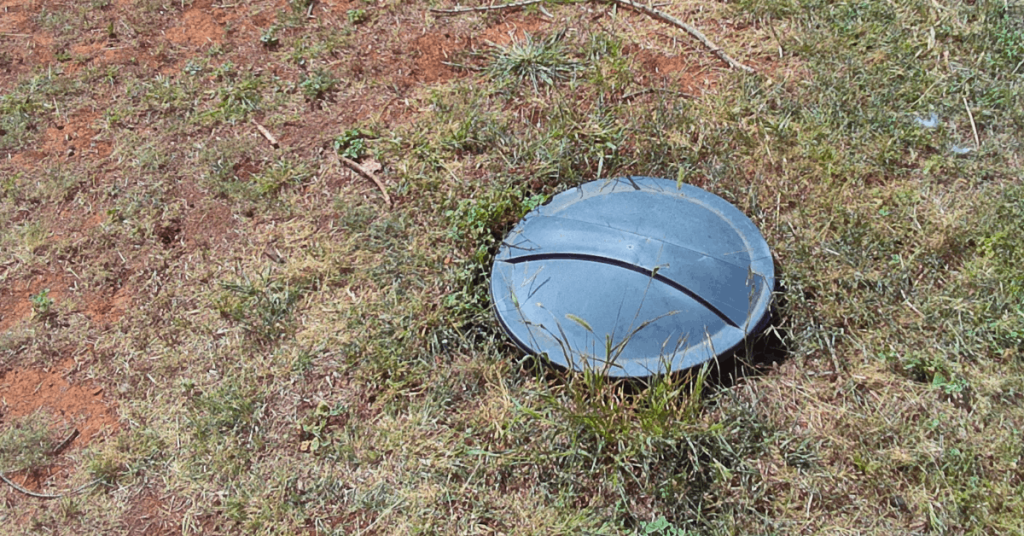
Most digesters are installed in a hole with a lid at ground level. Before digging, choose a safe location away from utilities, gardens, wells, and drainage paths.
After scooping the yard, loose dog poop goes into the buried container. Water is usually added to help the biological breakdown process work properly.
Digester tablets or powders help break down waste. Adding extra product usually does not fix poor drainage, cold weather, or an overloaded system.
The liquid needs somewhere to go. Heavy clay, saturated soil, standing water, or a high water table can make a dog poop digester a poor fit.
Dog poop digesters rely on biological activity. In cold weather, the process may slow down, stop, or fail to keep up with normal dog waste.
A digester does not remove the need to scoop. It still requires regular cleanup, water, proper use, and enough time for waste to break down.
Pros of Dog Poop Digesters
Dog poop digesters offer real benefits, especially for homeowners who understand their limits.
1. They Can Reduce Bagged Dog Waste
One of the biggest reasons people consider dog poop digesters is to reduce the amount of dog waste going into trash bags. Instead of bagging every pile and placing it in the garbage, the waste goes into one buried location.
That can appeal to people who dislike storing pet waste in outdoor trash cans.
2. They Keep Waste in One Spot
A digester gives dog waste a single place to go after it is scooped. This can make cleanup feel more organized than walking across the yard with bags or a trash can every time.
3. They May Reduce Trash Can Odor
Bagged dog poop sitting in a trash can during hot weather can smell terrible. A properly working in-ground system may reduce that issue because waste is contained underground instead of sitting in a garage or outdoor bin.
4. They Are Low Profile
Once installed, most systems only show a small lid above ground. That makes them less noticeable than a large trash can or open compost area.
5. They Can Work for Some Small Dog Households
A homeowner with one small or medium dog, good drainage, warm weather, and a consistent maintenance routine may have better results than a household with several large dogs or poor soil.
Cons of Dog Poop Digesters
This is where homeowners need to slow down before buying one. Dog poop digesters are not a perfect fit for every yard.
1. Soil Type Can Make or Break the System
Drainage is one of the biggest issues. If your soil holds water, the digester may not drain properly. Heavy clay can trap water and waste. Saturated ground can also stop the system from working.
Doggie Dooley’s FAQ says that if standing water remains in the test hole after 48 total hours, the system will not be effective in that yard location.
That is a major drawback for many Oklahoma yards where clay soil is common.
2. Cold Weather Can Slow Everything Down
Dog poop digesters rely on biological activity. When the weather gets cold, that process can slow down or stop. Doggie Dooley explains that its system is a biological process and that bacteria break down waste in the environment, which typically works only with some heat. The company also says not to add an entire winter’s worth of pet waste to the system.
That means a digester may work differently in July than it does in January.
3. You Still Have to Scoop the Poop
A digester does not walk the yard for you. It only gives you a place to put the waste after you find it, scoop it, and carry it over.
If the part you dislike most is searching the yard and scooping piles, a dog poop digester does not remove that chore.
4. It Requires Ongoing Maintenance
Most systems need regular water and digester tablets or powder. Adding more product than recommended usually does not solve a clogged or overloaded system. Doggie Dooley’s FAQ notes that adding more digester than recommended will not speed up digestion.
That makes maintenance important. If you forget the water, overload the unit, or stop using the digester product, performance can drop.
5. Capacity Can Be a Problem
A small digester may not keep up with multiple dogs, large dogs, or heavy waste output. The system needs time to break material down. If waste goes in faster than it breaks down, the unit can fill up.
Before choosing a digester, it helps to understand how much waste your dog may actually produce and how often they usually need to go. This matters even more if your dog poops often, has a changing bathroom schedule, or your household has more than one dog. For more context, read our guides on how much dogs poop and how long dogs can hold their poop.
This is one of the biggest reasons people get frustrated. They expect the waste to disappear quickly, but the system needs the right conditions and enough time.
6. Location Matters More Than People Think
Don’t place a dog poop digester just anywhere. Keep it away from vegetable gardens, edible plants, wells, low spots, drainage paths, water features, and areas where children play.
Local rules and neighborhood expectations can also matter. If you live in the Oklahoma City metro, review our guide to OKC dog poop laws before choosing a long-term pet waste setup.
EPA guidance notes that pet waste can contribute nitrogen, phosphorus, parasites, and bacteria to water bodies when not disposed of properly. EPA stormwater guidance also explains that runoff can carry nutrients and pollutants from pet waste into storm drains or water bodies without treatment.
Before digging, you should also contact 811. The national 811 guidance says homeowners should contact 811 before digging so buried utilities can be marked, and it notes that even small projects can have big impacts.
7. It Is Not the Same as Safe Garden Compost
A dog poop digester is not the same as producing finished compost for vegetables or herbs. Dog waste can contain pathogens, and home treatment methods may not reliably make it safe for edible gardens.
Iowa State University Extension says it is advisable not to add dog or cat feces to a compost pile because harmful pathogens may not be destroyed during composting. EPA source water guidance also says pet waste should be buried only around ornamental plants, never in vegetable gardens.
8. Odor and Pests Can Still Happen
A working digester should not smell strongly. But odor can happen if the unit is overloaded, too dry, too wet, poorly drained, installed in the wrong soil, or not maintained correctly.
Flies, pests, and unpleasant smells are more likely when waste sits too long or the lid does not seal well.
If odor is your main concern, remember that a digester only handles waste after it is picked up. Yard odor can still come from missed piles, urine spots, heat, moisture, and buildup. For odor-focused help, see our PF Fresh™ Yard Deodorizing service.
Find The Perfect Scoop Plan
Answer a few quick questions about your yard and dogs, and we’ll help point you toward the cleanup plan that makes the most sense.
When a Dog Poop Digester May Make Sense
A dog poop digester may be worth considering if:
- You have one small or medium dog
- Your soil drains well
- Your yard has enough safe space for installation
- You live in a warmer climate
- You do not mind adding water and tablets
- You already scoop consistently
- You understand it may slow down in cold weather
- You do not plan to use the output near edible plants
In this situation, a digester may help contain waste and reduce trash odor.
When a Dog Poop Digester May Not Be Worth It
A dog poop digester may not be the best fit if:
- Your yard has heavy clay soil
- Water sits in the ground after rain
- You have several dogs
- You have large dogs
- You do not want another maintenance task
- Your yard is small
- You have a high water table
- You have wells, drainage areas, or garden beds nearby
- You expect the poop to disappear instantly
- You need year-round performance in freezing weather
In these cases, the cons may outweigh the convenience.
If your yard already has heavy buildup, a one-time cleanup can help reset the space before you decide whether a digester, trash disposal, or another routine makes the most sense.
The “Bottom” Line: Are Dog Poop Digesters Worth It?
Dog poop digesters can work in the right yard, but they are not a perfect solution for every dog owner. They still require scooping, water, digester products, proper installation, good drainage, and regular attention.
The biggest drawbacks are soil limits, cold weather slowdowns, capacity problems, odor risk, and the fact that you still have to clean the yard.
If you like DIY solutions and your yard drains well, a digester may be worth trying. If your soil is heavy clay, your yard stays wet, or you have multiple dogs, it may become more hassle than help.
For many homeowners, the best answer is not one perfect product. It is a routine that fits the yard, the soil, the number of dogs, and the time you have. Some people prefer a DIY setup, while others choose a simple weekly service plan to stay ahead of buildup.
👉 Want a cleaner yard without guessing whether an in-ground system will work in your soil? Poop Free OKC can help keep the yard cleaner while you choose the setup that works best for your home. Get a free pet waste removal quote today.
8 Popular FAQs About Dog Poop Digesters
What is a dog poop digester?
How do dog poop digesters work?
Are dog poop digesters worth it?
Do dog poop digesters smell?
Can you use a dog poop digester in clay soil?
Do dog poop digesters work in winter?
Can dog poop digester waste be used as fertilizer?
What is the biggest downside of a dog poop digester?

About Carlton
Carlton Wolf is the founder of Poop Free OKC, a veteran-owned pet waste removal company serving Oklahoma City and the surrounding metro. As a U.S. Coast Guard veteran, Carlton built Poop Free OKC to provide reliable, professional yard cleanup for busy dog owners who want a cleaner, safer outdoor space without the hassle.
Sources
- U.S. Environmental Protection Agency: Sources and Solutions — In and Around the Home
- U.S. Environmental Protection Agency: Stormwater Best Management Practice — Pet Waste Management
- Oregon State University Extension: Do the Rot Thing — Choosing and Using a Composting System
- Iowa State University Extension: Can Dog or Cat Feces Be Placed in the Compost Pile?
- Penn State Extension: Roadside Guide to Clean Water — Proper Pet Waste Disposal
- OKIE811: Homeowner Digging and Utility Marking Information
PILES OF KNOWLEDGE
Pet Health & Safety
Pet Waste Removal Tips
Pet Yard & Home Care
Grand Opening Special
Claim Your FREE Poop Scoop!
*First 50 who sign up for recurring service.
You May Also Like…
How to Clean Dog Poop From Artificial Turf
Dog poop can leave residue and odor behind on artificial grass. Learn how to remove solid and soft waste, rinse correctly, clean the turf, and prevent smells.
Why Do Dogs Circle and Sniff Before They Poop?
Dogs often sniff, circle, and carefully choose a spot before they poop. Learn why dogs do this, what scent has to do with it, and when the behavior may signal a problem.
How to Clean Up Dog Diarrhea in Your Yard
Dog diarrhea can be difficult to remove from grass without making the mess bigger. Learn how to handle fresh and dried diarrhea, clean your tools, avoid common mistakes, and know when it is time to call your veterinarian.
How to Stop Your Dog From Humping
Dog humping can be caused by excitement, stress, habit, attention-seeking, or sexual behavior. Learn how to stop it and when to call your vet.
Why Is My Dog Pooping in the House All of a Sudden?
A dog suddenly pooping in the house may have a health issue, stress, aging changes, diet trouble, or a schedule problem. Learn what to check and how to fix it.
Why Does My Dog Lick Me?
Dogs lick people for many reasons, including affection, attention, taste, stress, greeting, and learned behavior. Learn what licking usually means and when it may signal a problem.