What Happens to Dog Poop When It Rains?

Home » Blog » Pet Yard & Home Care »
The Truth About Dog Poop and Rain
A rainy day might seem like nature’s cleaning service, but that couldn’t be further from the truth. When the skies open up, dog poop doesn’t dissolve or disappear—it spreads.
In Oklahoma, where heavy rain is common, this creates more than just a muddy mess. It becomes a hidden health and environmental issue that many homeowners are unaware of.
What Actually Happens When It Rains
When rain hits dog poop, it begins to break down the waste on the surface, releasing bacteria, parasites, and nitrogen-rich compounds into the water runoff. That runoff flows into storm drains, creeks, and rivers, carrying harmful pathogens.
Instead of cleaning your yard, rainwater is actually turning it into a delivery system for contamination.
Understanding what’s really in dog poop, including the bacteria and parasites hiding inside it, helps explain why rain can spread the problem much farther than most homeowners realize.
Here’s what’s happening on a microscopic level:
- Bacteria like E. coli and Salmonella get carried into drainage systems.
- Parasites such as roundworms and Giardia can survive in standing water for weeks.
- Nutrients from algae blooms in local waterways reduce oxygen levels and harm fish.
We Scoop Poop
Get your yard back without the hassle. Click below for a free instant quote for professional dog poop cleanup in Oklahoma City—no obligations, no contracts, and no hidden fees.
Why Dog Poop Doesn’t Wash Away Safely
Dog poop is not like other organic waste. It’s dense, acidic, and loaded with bacteria that can’t simply “wash away.”
When it rains, some of it may spread or thin out—but it doesn’t disappear. Instead, it redistributes across your lawn and into nearby soil, where bacteria keep thriving.
If left uncollected, it can build up into a toxic mess that damages grass, attracts pests, and pollutes the environment long after the storm has passed.
Repeated rain can also leave dog paths, low spots, and poorly drained areas soggy long after the storm ends. Use these muddy backyard solutions for Oklahoma dog owners to identify drainage problems, protect high-traffic areas, and help damaged turf recover.
The Environmental Impact of Rain-Soaked Dog Waste
Dog waste is a leading source of urban water pollution.
According to the EPA, a few days of pet waste from just 100 dogs can produce enough bacteria to close nearby lakes or beaches.
That’s because when rain carries dog poop into Oklahoma’s storm drains, it doesn’t go through a treatment plant—it goes straight into our rivers and streams.
This contamination can:
- Harm local wildlife and aquatic ecosystems
- Contaminate community water supplies
- Contribute to algae blooms that make lakes unsafe for recreation
The Health Risks for Pets and Families
Rain doesn’t just affect the environment—it affects your home and your pets, too.
When dog poop breaks down in your yard after a storm, bacteria can linger in the soil and puddles, creating unsafe areas for kids and other pets to play.
Common health risks include:
- Roundworms and hookworms, which can infect both pets and humans
- Campylobacter and E. coli, which can cause stomach illness
- Giardia, which thrives in wet environments
Even a few days of neglect can turn your yard into a breeding ground for disease.
Find The Perfect Scoop Plan
Answer a few quick questions about your yard and dogs, and we’ll help point you toward the cleanup plan that makes the most sense.
How to Keep Your Yard and Water Clean
Rain or shine, the best way to prevent contamination is to clean up regularly.
Here’s how to stay ahead of the problem:
- Scoop regularly: Don’t wait for the weekend. Frequent cleanups keep waste from breaking down and washing away.
- Use a sealed waste bin: Prevent runoff by storing bagged waste in a closed container.
- Avoid washing poop away with a hose: It only spreads bacteria further.
- Consider a professional cleanup service: Regular maintenance helps keep your yard safe, even during Oklahoma’s rainy season.
Patios, sidewalks, and driveways create runoff quickly when it rains or when you spray waste with a hose. Our guide explains how to clean dog poop off concrete and patios while keeping fecal residue and dirty wash water away from streets and storm drains.
If you are considering an in-ground disposal system, remember that wet soil, standing water, and poor drainage can affect how well it works. Our guide explains whether a dog poop digester is worth it and why Oklahoma yard conditions matter.
The Bottom Line
Rain might rinse away the sight of dog poop—but it leaves behind invisible problems. From polluted water to health risks for pets, the damage adds up quickly.
Keeping your yard clean, even when the weather doesn’t cooperate, is the best way to protect your family, your neighbors, and the local environment.
When Oklahoma skies open up, make sure your yard isn’t contributing to the stormwater problem—stay consistent with cleanup and enjoy a healthier, fresher outdoor space year-round.
👉 Call, click, or message us today to get your free quote and discover how easy it is to keep your yard poop-free!

About Carlton
Carlton Wolf is the founder of Poop Free OKC, a veteran-owned pet waste removal company serving Oklahoma City and the surrounding metro. As a U.S. Coast Guard veteran, Carlton built Poop Free OKC to provide reliable, professional yard cleanup for busy dog owners who want a cleaner, safer outdoor space without the hassle.
PILES OF KNOWLEDGE
Pet Health & Safety
Pet Waste Removal Tips
Pet Yard & Home Care
1st Anniversary Special
Claim Your FREE Poop Scoop!
*The next 25 customers who sign up for recurring service.
You May Also Like…
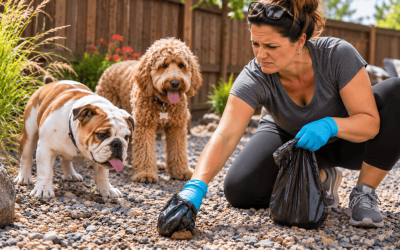
Dog Poop Cleanup for Gravel and Rock Yards
Dog poop can fall between rocks, smear across gravel, and leave residue below the surface. Learn how to remove solid waste, diarrhea, odors, and contaminated material without spreading the mess.
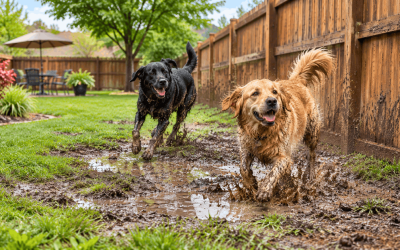
Muddy Backyard Solutions for Dog Owners in Oklahoma
Tired of muddy paws, bare grass, and dog poop disappearing into wet soil? Learn practical ways Oklahoma dog owners can improve drainage, reduce mud, protect grass, and keep the backyard easier to maintain.
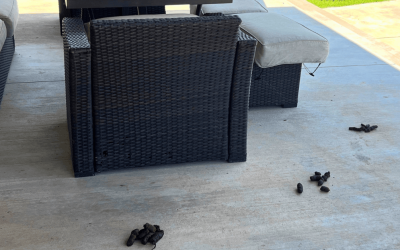
Dog Poop on Concrete? How to Clean Patios and Hard Surfaces
Dog poop can stain concrete, leave odors behind, and work into porous patio surfaces. Learn how to remove fresh, dried, and loose waste without spreading the mess or damaging the surface.
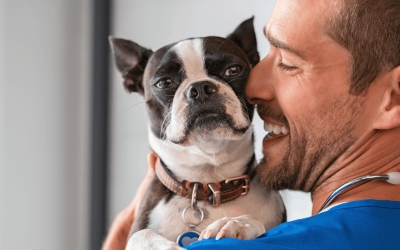
How to Collect and Store a Dog Stool Sample for the Vet
Need to bring a dog stool sample to the vet? Learn how much to collect, what container to use, when to refrigerate it, and how fresh the sample should be.
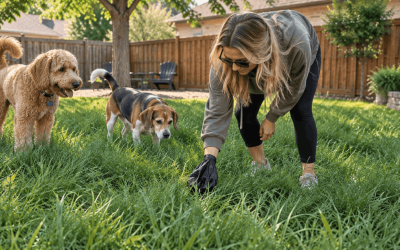
Dog Poop Hidden in Tall Grass or Leaves? How to Find It
Tall grass and fallen leaves can make dog poop surprisingly hard to find. Learn how to search your yard efficiently, uncover hidden piles, and clean them up without spreading the mess.
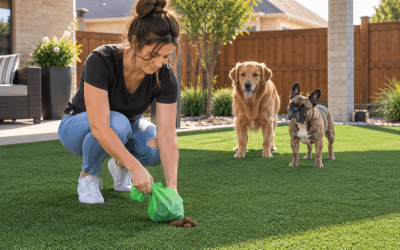
How to Clean Dog Poop From Artificial Turf
Dog poop can leave residue and odor behind on artificial grass. Learn how to remove solid and soft waste, rinse correctly, clean the turf, and prevent smells.