Home » Blog » Health & Safety »
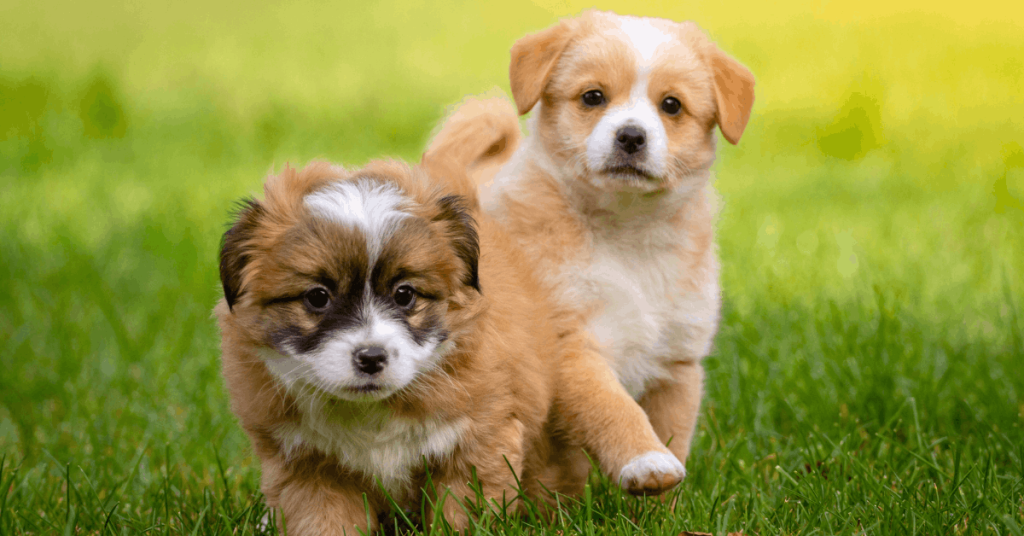
Potty training a puppy doesn’t have to take months. With the right structure, most puppies can learn quickly—often in just a few weeks.
The key is consistency, timing, and removing confusion.
This guide shows you exactly how to potty train your puppy fast with a simple, proven system.
Once your puppy starts building good habits, maintaining a clean yard becomes just as important. Many homeowners eventually look into dog poop removal services to keep their yard consistently clean without the hassle.
Quick Answer: How Do You Potty Train a Puppy Fast?
To potty train a puppy fast, follow a strict schedule, take them out frequently (especially after eating, sleeping, and playing), reward immediately after success, supervise closely indoors, and limit freedom until they’re consistent. Crate training helps speed up results.
Why Puppies Struggle With Potty Training
Puppies need more bathroom trips than adult dogs because they eat more frequently and are still developing consistent habits.
Understanding normal puppy pooping frequency can help you create a more realistic potty-training schedule and recognize unusual changes.
Puppies don’t have full bladder control yet. Most can only hold it for:
- 8 weeks: ~2 hours
- 12 weeks: ~3–4 hours
- 16 weeks: ~4–5 hours
They also don’t naturally know where to go—it must be taught.
Keeping that area clean and odor-controlled can also help reinforce the habit, especially when paired with treatments like PF Fresh™ Yard Deodorizing to eliminate lingering smells.
We Scoop Poop
Get your yard back without the hassle. Click below for a free instant quote for professional dog poop cleanup in Oklahoma City—no obligations, no contracts, and no hidden fees.
Step-by-Step: How to Potty Train Your Puppy Fast
Success comes from clear direction and repetition. Follow this step-by-step approach to create a routine your puppy can quickly understand and stick to.
Follow this simple routine in order to build strong potty habits and help your puppy learn faster with less confusion.
Start by taking your puppy out on a predictable routine every 2–3 hours and after meals, naps, play sessions, and water breaks. Timing is one of the biggest reasons puppies succeed or fail.
Take your puppy to the same outdoor location each time. This helps scent and repetition work in your favor, making the bathroom area feel familiar and correct.
Say your potty phrase calmly, then reward within seconds after your puppy finishes. Fast praise and treats help lock in the behavior much faster than delayed rewards.
Supervise indoors, use the crate properly, clean accidents thoroughly, and repeat the same routine every day. Most puppies improve quickly when the process stays consistent.
Step 1: Create a Strict Schedule
Take your puppy out:
- First thing in the morning
- After eating
- After drinking
- After naps
- After playtime
- Before bedtime
Consistency builds habits faster than anything else.
Step 2: Use the Same Spot Every Time
Dogs learn through scent.
Take your puppy to the same spot to potty every time.
This reinforces the behavior quickly.
Step 3: Add a Verbal Cue
Use a simple phrase like:
- “Go potty”
- “Bathroom”
Say it calmly when they start going.
Repeat every time.
Step 4: Reward Immediately
Timing matters.
The second your puppy finishes:
- Praise enthusiastically
- Give a small treat
This tells them: this is the right place.
Step 5: Supervise Indoors
If your puppy is loose and unsupervised, accidents will happen.
Options:
- Keep them in the same room
- Use a leash indoors
- Use a playpen
Watch for signs:
- Sniffing
- Circling
- Suddenly stopping play
Take them out immediately.
Step 6: Use Crate Training
Dogs naturally avoid going where they sleep.
A properly sized crate:
- Helps control accidents
- Builds bladder control
Creates routine - Never use the crate as punishment.
Step 7: Clean Accidents Properly
If accidents happen (they will), clean them thoroughly.
Use an enzymatic cleaner.
For deeper cleanliness and protection, some homeowners also use PF Sanitize™ Backyard Sanitization to reduce bacteria and keep the yard safe for pets and family.
If the smell remains, your puppy will return to that spot.
If the indoor peeing continues—or begins after your puppy was doing well—our guide explains how to stop a dog from peeing in the house and when the problem may require more than potty training.
If poop accidents begin after your dog was already reliably house-trained, the problem may involve more than basic puppy training. Our guide explains why dogs suddenly start pooping in the house and how to identify possible health, digestive, stress, schedule, or age-related causes.
Step 8: Stay Consistent
This is where most people fail.
Training doesn’t work without repetition.
Most puppies learn fastest when:
- Routine stays the same
- Rewards are immediate
- Supervision is consistent
Find The Perfect Scoop Plan
Answer a few quick questions about your yard and dogs, and we’ll help point you toward the cleanup plan that makes the most sense.
How Long Does Potty Training Take?
Most puppies:
- Show progress in 1–2 weeks
- Become reliable in 3–4 weeks
- Fully trained in 4–6 months
Faster results come from better consistency—not stricter punishment.
Common Potty Training Mistakes
❌ Waiting Too Long Between Breaks
Young puppies need frequent trips.
❌ Punishing Accidents
This creates fear, not learning.
❌ Inconsistent Routine
Random schedules confuse puppies.
❌ Too Much Freedom Too Soon
Limit space until they’re reliable.
Pro Tip: Build a “Potty Routine Loop”
Fastest training happens when this loop is consistent:
Take outside → Cue → Go potty → Reward → Freedom
Repeat this daily.
Dogs learn patterns faster than anything else.
The “Bottom” Line on Potty Training Your Puppy
Potty training your puppy doesn’t have to be overwhelming—it just requires a clear routine, patience, and consistency. By sticking to a schedule, using the same potty area, and rewarding the right behavior at the right time, you’ll set your puppy up for long-term success. Accidents are part of the process, but with the right approach, they become fewer and farther between. Stay consistent, keep it simple, and before long, you’ll have a reliable routine that makes life easier for both you and your puppy.
Once your puppy is fully trained, keeping your yard clean becomes part of the routine. Many homeowners switch to a weekly service to stay ahead of buildup and keep their yard looking its best year-round. If you’re unsure of which removal plan is right for you, use our Dog Poop Removal Frequency Planner to decide which is right for you.
Get your free dog poop removal quote in OKC today, or click the button below to get started.
FAQS for Potty Training Your Puppy
How do you potty train a puppy as fast as possible?
Use a strict schedule, take them out frequently, reward immediately, supervise indoors, and use crate training for structure.
How long does it take to potty train a puppy?
Most puppies show progress in 1–2 weeks and are mostly trained within 3–4 weeks.
Should I punish my puppy for accidents?
No. Punishment creates fear and confusion. Focus on redirection and reward.
How often should I take my puppy outside?
Every 2–3 hours, plus after eating, sleeping, and playing.
Does crate training help potty training?
Yes. It helps build bladder control and prevents accidents.
Why does my puppy keep having accidents?
Usually due to inconsistent schedules, lack of supervision, or not going out often enough.
Can puppies sleep through the night without potty breaks?
Young puppies usually cannot and will need at least one nighttime trip.
What is the easiest way to potty train a puppy?
Consistency, routine, and immediate rewards are the easiest and fastest method.

About Carlton
Carlton Wolf is the founder of Poop Free OKC, a veteran-owned pet waste removal company serving Oklahoma City and the surrounding metro. As a U.S. Coast Guard veteran, Carlton built Poop Free OKC to provide reliable, professional yard cleanup for busy dog owners who want a cleaner, safer outdoor space without the hassle.
PILES OF KNOWLEDGE
Pet Health & Safety
Pet Waste Removal Tips
Pet Yard & Home Care
Grand Opening Special
Claim Your FREE Poop Scoop!
*First 50 who sign up for recurring service.
You May Also Like…
How to Clean Up Dog Diarrhea in Your Yard
Dog diarrhea can be difficult to remove from grass without making the mess bigger. Learn how to handle fresh and dried diarrhea, clean your tools, avoid common mistakes, and know when it is time to call your veterinarian.
How to Stop Your Dog From Humping
Dog humping can be caused by excitement, stress, habit, attention-seeking, or sexual behavior. Learn how to stop it and when to call your vet.
Why Is My Dog Pooping in the House All of a Sudden?
A dog suddenly pooping in the house may have a health issue, stress, aging changes, diet trouble, or a schedule problem. Learn what to check and how to fix it.
Why Does My Dog Lick Me?
Dogs lick people for many reasons, including affection, attention, taste, stress, greeting, and learned behavior. Learn what licking usually means and when it may signal a problem.
How to Stop Your Dog From Peeing in the House
Dog peeing in the house can happen because of health issues, marking, stress, routine changes, or training gaps. Learn what to do next.
Are Dog Poop Digesters Worth It?
Dog poop digesters can sound like an easy backyard fix, but they come with limits. Learn how they work, the pros, the cons, and when they make sense.