
Home » Blog » Health & Safety »
We get this question all the time from dog owners across Oklahoma City: “How often should I really be walking my dog?”
The short answer is: most dogs need at least one to two walks per day, but the real answer depends on your dog’s age, breed, health, and energy level.
This guide breaks it down in a simple, practical way so you can build the right routine for your dog—and actually stick to it.
Once your dog is getting regular exercise, keeping your yard clean becomes part of the routine. Many homeowners in OKC rely on pet waste removal services to keep their yards ready for daily walks.
Why Daily Walks Matter More Than You Think
Walking your dog isn’t just about exercise—it’s about balance.
Daily walks help:
- burn off excess energy
- prevent destructive behavior
- support a healthy weight
- improve mental stimulation
- strengthen your bond
A dog that gets regular walks is usually calmer, more predictable, and easier to live with.
A clean yard also makes it easier to stay consistent with walks, especially if you’ve recently needed a one-time cleanup to get things back under control.
We Scoop Poop
Get your yard back without the hassle. Click below for a free instant quote for professional dog poop cleanup in Oklahoma City—no obligations, no contracts, and no hidden fees.
Most dogs need daily walks, but the right routine depends on age, energy level, and overall health. Use this quick guide to find a better walking schedule.
Young puppies do better with several short outings throughout the day instead of one long walk. The goal is routine, confidence, and gentle exercise without overdoing it.
For many adult dogs, one to two walks a day is a healthy baseline. Total walking time usually falls somewhere between 20 and 60 minutes depending on size and energy level.
Working breeds and very active dogs often need longer walks, extra play, and more mental stimulation. A quick lap around the block usually is not enough for them.
Older dogs may slow down, but they still benefit from regular walks. Shorter, gentler outings help support mobility, routine, and overall health without putting too much strain on their bodies.
How Often Should You Walk Your Dog Based on Age
Not every dog needs the same routine. Age plays a big role in how often and how long you should walk your dog, so it’s important to adjust their schedule as they grow.
Puppies
Puppies need short, frequent walks rather than long ones.
- 3–5 short walks per day
- Focus on routine, not distance
- Pair walks with potty training
Adult Dogs
Most adult dogs do best with:
- 1–2 walks per day
- 30–60 minutes total
- Consistent timing
This is the baseline for most households.
Senior Dogs
Older dogs still need movement, just at a slower pace.
- 1–2 shorter walks per day
- Gentle, consistent activity
- Watch for joint stiffness
How Breed and Energy Level Change Everything
Not all dogs are built the same.
High-Energy Dogs
(Border Collies, Labs, Shepherds)
- 2+ walks per day
- Longer duration
- Extra play or training needed
Moderate Energy Dogs
- 1–2 walks per day
- A mix of walking and play
Low-Energy Dogs
- 1 shorter walk per day
- Light activity is usually enough
Signs Your Dog Needs More Walks
If your dog isn’t getting enough exercise, you’ll usually see it.
Common signs include:
- chewing or destructive behavior
- pacing or restlessness
- excessive barking
- weight gain
- hyperactivity at night
When these show up, it’s usually time to increase activity.
What Happens If You Don’t Walk Your Dog Enough?
A lack of walks can lead to:
- behavior problems
- anxiety or boredom
- poor physical health
- weight gain
- reduced lifespan over time
In most cases, these issues improve quickly once you add a consistent routine.
A neglected yard can also contribute to odor and bacteria buildup, which is why some homeowners add PF Fresh™ Yard Deodorizing to keep outdoor spaces more enjoyable.
How Long Should Each Walk Be?
Instead of focusing only on frequency, think about total daily activity.
A simple guideline:
- Small dogs: 20–30 minutes total
- Medium dogs: 30–60 minutes
- Large/high-energy dogs: 60+ minutes
You can split this into multiple walks throughout the day.
Best Times to Walk Your Dog
Consistency matters more than perfect timing, but these are ideal:
- Morning (burn energy early)
- Evening (wind down the day)
Avoid:
- extreme heat
- peak midday sun
- rough pavement temperatures
Quick Daily Walking Routine (Simple System)
Here’s an easy routine most dog owners can follow:
➡️ Morning walk → Midday potty break → Evening walk → Light play
Keep it simple, consistent, and realistic.
Regular potty opportunities may also help prevent indoor accidents, but if the problem continues, learn why dogs pee in the house and what to do about it.
Find The Perfect Scoop Plan
Answer a few quick questions about your yard and dogs, and we’ll help point you toward the cleanup plan that makes the most sense.
A Cleaner Yard Makes Walks Easier
When your yard is clean, your dog spends more time moving and less time avoiding messes.
Many dog owners find that keeping their yard clean:
- encourages more outdoor activity
- reduces odor and buildup
- makes quick potty breaks easier
Regular walks and potty breaks can also reduce indoor accidents. If your dog has started having pee accidents inside, our guide on how to stop a dog from peeing in the house explains the most common causes and fixes.
For extra cleanliness and protection, some homeowners also use PF Sanitize™ Backyard Sanitization to reduce bacteria and keep their yard safer for both pets and family.
The “Bottom” Line
Most dogs need daily walks—at least once, often twice—to stay healthy, balanced, and happy.
There’s no perfect number that fits every dog, but there is one rule that always works:
Consistency Beats Everything
Start simple, stay consistent, and adjust based on your dog’s behavior.
A well-exercised dog deserves a clean yard, too.
👉 Get your free dog poop removal quote in Oklahoma City today and keep your yard clean without the hassle.
Frequently Asked Questions
How often should I walk my dog each day?
Is one walk a day enough for a dog?
How long should I walk my dog?
Can I walk my dog too much?
Do small dogs need less exercise?
What happens if I don’t walk my dog?
Is playing in the yard enough exercise?
What time of day is best to walk a dog?

About Carlton
Carlton Wolf is the founder of Poop Free OKC, a veteran-owned pet waste removal company serving Oklahoma City and the surrounding metro. As a U.S. Coast Guard veteran, Carlton built Poop Free OKC to provide reliable, professional yard cleanup for busy dog owners who want a cleaner, safer outdoor space without the hassle.
PILES OF KNOWLEDGE
Pet Health & Safety
Pet Waste Removal Tips
Pet Yard & Home Care
1st Anniversary Special
Claim Your FREE Poop Scoop!
*The next 25 customers who sign up for recurring service.
You May Also Like…
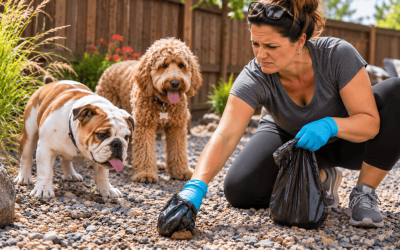
Dog Poop Cleanup for Gravel and Rock Yards
Dog poop can fall between rocks, smear across gravel, and leave residue below the surface. Learn how to remove solid waste, diarrhea, odors, and contaminated material without spreading the mess.
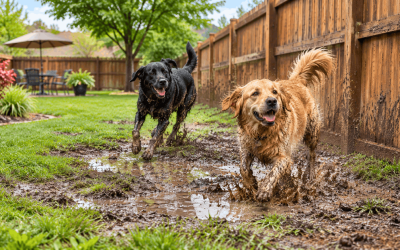
Muddy Backyard Solutions for Dog Owners in Oklahoma
Tired of muddy paws, bare grass, and dog poop disappearing into wet soil? Learn practical ways Oklahoma dog owners can improve drainage, reduce mud, protect grass, and keep the backyard easier to maintain.
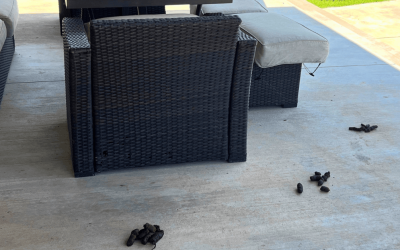
Dog Poop on Concrete? How to Clean Patios and Hard Surfaces
Dog poop can stain concrete, leave odors behind, and work into porous patio surfaces. Learn how to remove fresh, dried, and loose waste without spreading the mess or damaging the surface.
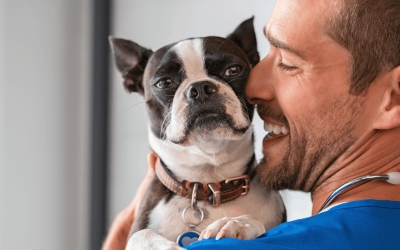
How to Collect and Store a Dog Stool Sample for the Vet
Need to bring a dog stool sample to the vet? Learn how much to collect, what container to use, when to refrigerate it, and how fresh the sample should be.
Dog Poop Hidden in Tall Grass or Leaves? How to Find It
Tall grass and fallen leaves can make dog poop surprisingly hard to find. Learn how to search your yard efficiently, uncover hidden piles, and clean them up without spreading the mess.
How to Clean Dog Poop From Artificial Turf
Dog poop can leave residue and odor behind on artificial grass. Learn how to remove solid and soft waste, rinse correctly, clean the turf, and prevent smells.