Why Regular Dog Poop Cleanup Helps Prevent Parasites and Disease

Home » Blog » Health & Safety »
Dog Poop and Parasites: The Hidden Danger
As dog owners, we all know scooping poop isn’t the most glamorous part of pet care. But what many people don’t realize is that dog waste left too long in the yard isn’t just messy—it’s dangerous. Beyond the odor and lawn damage, pet waste can harbor harmful parasites and bacteria that threaten your dog’s health, your family’s safety, and the environment.
At Poop Free OKC, we believe a clean yard is a healthy yard. Here’s why regular poop cleanup matters more than you think—and how easy it can be to protect your property from hidden risks.
What’s Really in Dog Waste?
Unlike herbivore manure, dog poop isn’t a safe fertilizer. Dogs eat meat-based diets, which means their waste is filled with microorganisms that thrive in warm, moist soil. When left to break down, these organisms don’t just disappear—they multiply.
Common pathogens found in dog waste include:
- Roundworms and Hookworms – Microscopic eggs that can infect both pets and humans.
- Giardia and Coccidia – Parasites that cause digestive illness and dehydration in dogs.
- E. coli and Salmonella – Harmful bacteria that can contaminate soil, grass, and water.
- Campylobacter – A leading cause of bacterial infection from animal feces.
Each pile of dog waste can contain millions of bacteria. When rain falls, those contaminants can spread through runoff, reaching your grass, garden, and even storm drains.
For a complete breakdown of the bacteria, parasites, viruses, and contaminants found in pet waste, read our guide explaining what is really inside dog poop.
We Scoop Poop
Get your yard back without the hassle. Click below for a free instant quote for professional dog poop cleanup in Oklahoma City—no obligations, no contracts, and no hidden fees.
How Parasites Spread in Your Yard
Parasite eggs and cysts are incredibly resilient. Some can survive months in soil, even through Oklahoma’s freezing winters.
Here’s how the cycle works:
1. Your dog poops in the yard.
2. The waste begins to decompose, releasing parasite eggs into the soil.
3. Another dog—or even a child playing barefoot—comes into contact with the contaminated area.
4. The parasites enter through ingestion or skin contact.
Over time, this creates an infected yard ecosystem where disease organisms linger long after the visible waste is gone. That’s why one-time cleanups aren’t enough—routine removal breaks the cycle before it starts.
Health Risks to Pets and Families
Leaving dog waste to accumulate isn’t just an outdoor issue—it can directly affect your family’s health.
For Dogs
- Re-exposure to their own waste increases the risk of reinfection.
- Parasites like Giardia can cause chronic diarrhea, weight loss, and fatigue.
- Walking or playing in contaminated soil can lead to skin infections and hot spots.
If your dog develops ongoing diarrhea or other possible parasite symptoms, contact your veterinarian. They may recommend fecal testing, so review how to collect a dog stool sample for parasite testing if they ask you to bring one to the appointment.
For Humans
- Children and gardeners are especially at risk from soil-transmitted parasites.
- Roundworm larvae can migrate through body tissues and, in rare cases, damage the eyes and organs.
- Harmful bacteria can enter through minor cuts or contact with contaminated shoes and tools.
The CDC classifies dog waste as a serious public health hazard when not properly managed. Regular cleanup isn’t just a courtesy—it’s a preventive health measure.
Environmental Impact in Oklahoma City
Dog waste also significantly contributes to stormwater pollution in urban areas. When left in the yard, rain washes waste particles into Oklahoma City’s storm drains, which lead directly into creeks and rivers.
This runoff introduces excess nitrogen, phosphorus, and bacteria into the water supply, harming aquatic life and reducing local water quality. One day of heavy rain can move weeks of backyard waste straight into the environment.
By scheduling consistent yard cleanups, pet owners play a direct role in protecting OKC’s natural waterways.
The Science of Routine Cleanups
Consistency is key. Dog waste begins releasing pathogens within just a few days of exposure. Weekly or twice-weekly cleanups stop this process before it starts.
Benefits of a routine cleanup schedule include:
- Reduced Parasite Load: Eliminates eggs before they mature and spread.
- Healthier Grass: Prevents soil imbalance caused by nitrogen and acid buildup.
- Fewer Odors: Keeps ammonia and methane gases under control.
- Lower Fly Activity: Removes the organic matter that flies and maggots need to reproduce.
Missing a single week can double the bacterial load in your yard, especially during warm, humid Oklahoma weather.
Find The Perfect Scoop Plan
Answer a few quick questions about your yard and dogs, and we’ll help point you toward the cleanup plan that makes the most sense.
How Often Should You Clean Up?
The ideal frequency depends on the number of dogs you have and the size of your yard.
- One Dog: Once a week is usually sufficient.
- Two Dogs or More: Twice-weekly service helps prevent buildup and odor.
- Small Yards: Clean more often to avoid concentrated contamination.
For best results, pair your cleanup routine with pet-safe lawn deodorizer and sanitization services. At Poop Free OKC, we offer affordable add-ons to keep your lawn healthy, clean, and ready for play.
The Easy Way to Stay Consistent: Poop Free OKC
Let’s be honest—no one wants to spend weekends with a poop scoop. That’s where we come in.
At Poop Free OKC, we handle the dirty work so you don’t have to. With weekly or twice-weekly service, your yard stays clean, balanced, and ready for play—all without you lifting a finger.
Our local dog poop removal in the OKC metro includes:
- Thorough waste removal from all lawn and play areas.
- Eco-friendly disposal in compliance with city regulations.
- Optional deodorizing and sanitizing for a complete clean.
- No contracts, easy scheduling, and guaranteed satisfaction.
Regular service ensures your family and pets stay protected from parasites, bacteria, and unpleasant odors—every day of the year.
Protect Your Pets, Family, and Lawn—The Simple Way
A clean yard isn’t just about appearances—it’s about health and peace of mind. Regular dog waste removal prevents the spread of harmful organisms, keeps your grass green, and reduces environmental impact in your community.
When it comes to protecting your pets and family, consistency counts. Poop Free OKC makes it effortless.
📞 Call or text us today for a free poop scoop quote, and let’s keep your yard parasite-free, safe, and always ready for paws and play.

About Carlton
Carlton Wolf is the founder of Poop Free OKC, a veteran-owned pet waste removal company serving Oklahoma City and the surrounding metro. As a U.S. Coast Guard veteran, Carlton built Poop Free OKC to provide reliable, professional yard cleanup for busy dog owners who want a cleaner, safer outdoor space without the hassle.
PILES OF KNOWLEDGE
Pet Health & Safety
Pet Waste Removal Tips
Pet Yard & Home Care
1st Anniversary Special
Claim Your FREE Poop Scoop!
*The next 25 customers who sign up for recurring service.
You May Also Like…
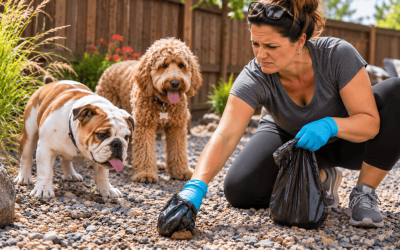
Dog Poop Cleanup for Gravel and Rock Yards
Dog poop can fall between rocks, smear across gravel, and leave residue below the surface. Learn how to remove solid waste, diarrhea, odors, and contaminated material without spreading the mess.
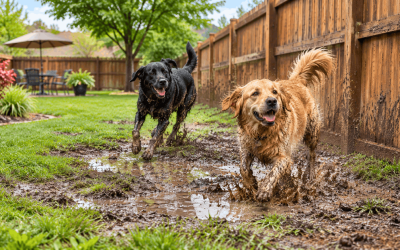
Muddy Backyard Solutions for Dog Owners in Oklahoma
Tired of muddy paws, bare grass, and dog poop disappearing into wet soil? Learn practical ways Oklahoma dog owners can improve drainage, reduce mud, protect grass, and keep the backyard easier to maintain.
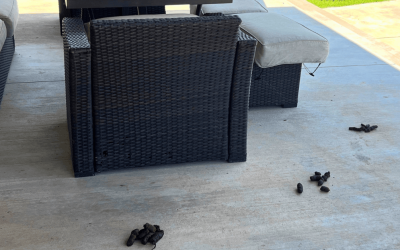
Dog Poop on Concrete? How to Clean Patios and Hard Surfaces
Dog poop can stain concrete, leave odors behind, and work into porous patio surfaces. Learn how to remove fresh, dried, and loose waste without spreading the mess or damaging the surface.
How to Collect and Store a Dog Stool Sample for the Vet
Need to bring a dog stool sample to the vet? Learn how much to collect, what container to use, when to refrigerate it, and how fresh the sample should be.
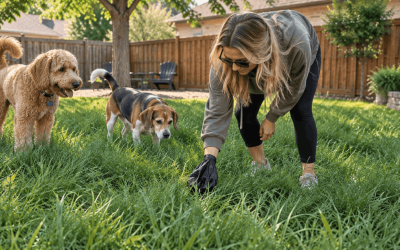
Dog Poop Hidden in Tall Grass or Leaves? How to Find It
Tall grass and fallen leaves can make dog poop surprisingly hard to find. Learn how to search your yard efficiently, uncover hidden piles, and clean them up without spreading the mess.
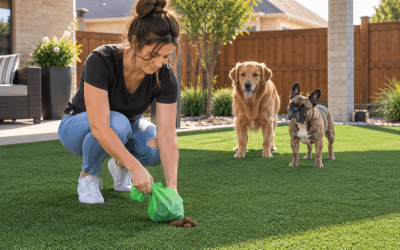
How to Clean Dog Poop From Artificial Turf
Dog poop can leave residue and odor behind on artificial grass. Learn how to remove solid and soft waste, rinse correctly, clean the turf, and prevent smells.