Home » Blog » Health & Safety »
If you grew up before the 1990s, you may remember seeing white, chalky dog poop in yards, alleys, parks, or along sidewalks. It seemed normal back then. Today, it is much less common.
So, why don’t you see white dog poop anymore?
The short answer is that dog diets have changed. Older dog foods and table-scrap diets often contained more bone, bone meal, and mineral-heavy ingredients. When dog poop sat outside long enough, the moisture and organic matter broke down, leaving a pale, chalky, calcium-rich stool behind.
Modern commercial dog foods are generally more balanced, pet owners clean up more often, and many cities take pet waste management more seriously. That combination makes old-fashioned white dog poop much harder to find.
What Made Dog Poop Turn White Years Ago?
White dog poop was usually a mix of diet and time.
Years ago, many dogs ate more:
- Bones
- Bone meal
- Meat by-products
- Table scraps
- Mineral-heavy dog food
- Diets with higher calcium content
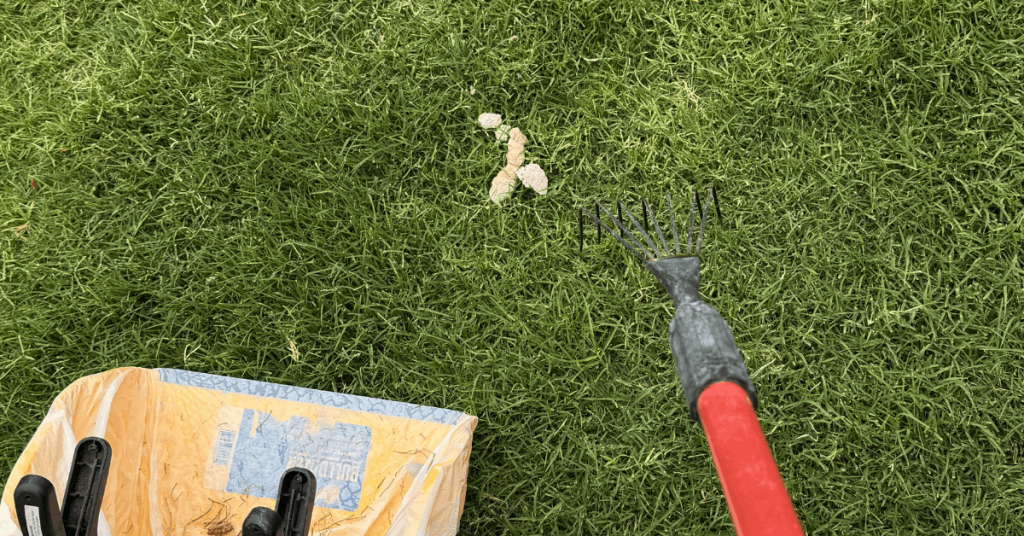
When that waste sat outside, the brown color faded as moisture left the stool and organic matter broke down. The remaining material often looked dry, white, and chalky.
That is why many people remember white dog poop sitting in the yard for days or weeks. It was not appearing white immediately in most cases. It often turned white after being left outside.
We Scoop Poop
Get your yard back without the hassle. Click below for a free instant quote for professional dog poop cleanup in Oklahoma City—no obligations, no contracts, and no hidden fees.
White dog poop used to be common, but changes in dog food, better cleanup habits, and more balanced diets have made it much less noticeable today.
Years ago, many dogs ate more bones, bone meal, table scraps, and mineral-heavy foods. That extra calcium often left behind a pale, chalky residue as poop dried outside.
Most commercial dog foods today are made to meet specific nutrition standards, which helps reduce the excess mineral content that once made white dog poop more common.
Dog waste is removed more often today because cities, HOAs, parks, and pet owners take cleanup more seriously. Poop usually does not sit long enough to dry and turn white.
An old pile can still turn pale or chalky after sitting in the sun for several days. That does not mean it disappeared, broke down safely, or became harmless.
Fresh white, gray, greasy, or clay-colored stool may point to diet or health concerns. If it happens more than once or your dog seems sick, call your veterinarian.
Even when dog poop turns white and dry, it can still attract flies, create odor, spread bacteria, and wash into storm drains. It should still be picked up and thrown away.
What Changed in Modern Dog Food?
Modern dog food is more carefully formulated than many older diets. Most commercial dog foods are designed to meet nutritional standards for a specific life stage, such as adult maintenance or growth.
That matters because a balanced dog food should provide the right amount of nutrients without unnecessary excess. Calcium and phosphorus are still important, but they should be included in the correct amounts and ratios.
In simple terms, dogs still need minerals, but their food is usually not as bone-heavy as it once was. Less excess mineral content means less chalky white residue after digestion.
Better Cleanup Habits Also Changed What We See
Dog poop also does not sit around as long as it used to. More people now understand that pet waste is harmful to yards, sidewalks, parks, and stormwater systems.
Many neighborhoods, HOAs, apartments, and public parks now expect owners to pick up after their pets. More homeowners also use professional dog poop removal services to keep their yards clean before waste has time to dry, fade, and turn chalky.
So the disappearance of white dog poop is not just about dog food. It is also about faster cleanup.
Is White Dog Poop Normal Today?
White dog poop is not as common today, but it can still happen.
Sometimes it is harmless and means the poop has been sitting outside long enough to dry out. Other times, it may point to diet, too much bone, too much calcium, or a possible health issue.
A single old pile that turns white in the sun is different from fresh white, gray, or pale stool coming directly from your dog.
That difference matters.
Common Reasons Dog Poop Looks White or Chalky
White or chalky dog poop may be caused by:
- Too much bone in the diet
- Too much calcium
- Raw diets with bone content
- Bone treats or chews
- Old poop drying in the sun
- Dehydrated stool
- Mucus coating the stool
- Pale or gray stool related to digestion issues
If your dog recently ate bones or a high-calcium food, that may explain a chalky stool. However, fresh pale, gray, greasy, or clay-colored stool should not be ignored.
When White or Pale Dog Poop May Be a Concern
Dog poop color can give clues, but it is not a diagnosis. If stool suddenly turns white, gray, pale, greasy, or clay-colored and stays that way, it is time to call your veterinarian.
Contact your vet if you also notice:
- Vomiting
- Diarrhea
- Blood in stool
- Black or tar-like stool
- Loss of appetite
- Low energy
- Weight loss
- Pain or bloating
- Straining to poop
- Repeated pale or gray stool
At Poop Free OKC, we see many yards and a lot of dog poop, but we are not veterinarians. We can help keep your yard clean, but discuss stool changes that involve your dog’s health with your vet.
That kind of honesty matters for pet owners and for trustworthy content.
Does White Dog Poop Mean It Is Safe to Leave in the Yard?
No. White dog poop is still dog poop.
Even if it looks dry or chalky, it can still create problems in your yard. Pet waste can attract flies, create odor, spread bacteria, and wash into storm drains during rain.
It also makes your yard less enjoyable for kids, guests, and pets. Just because poop changes color does not mean it has disappeared or become safe fertilizer.
Find The Perfect Scoop Plan
Answer a few quick questions about your yard and dogs, and we’ll help point you toward the cleanup plan that makes the most sense.
Why Regular Cleanup Matters
Dog waste should be removed before it has time to build up, dry out, and become part of the yard. Regular dog poop removal services help reduce odor, flies, bacteria concerns, and neighbor complaints.
For most homes, a consistent cleanup schedule works best. Many families choose weekly service because it keeps the yard from getting ahead of them. Homes with multiple dogs may need more frequent service, while a yard that has fallen behind may benefit from a one-time cleanup.
If old waste has left lingering smells, PF Fresh™ Yard Deodorizing can help neutralize odors. For a deeper level of cleanliness, PF Sanitize™ Backyard Sanitization can help reduce bacteria in outdoor pet areas.
The “Bottom” Line: Why White Dog Poop Disappeared
White dog poop used to be common because many dogs ate more bone-heavy, mineral-rich diets, and waste was often left outside long enough to dry and turn chalky.
Today, dog food is more balanced, pet owners clean up more often, and communities understand that pet waste belongs in the trash, not in the yard.
If you see one old white pile outside, it may simply be dried-out waste. If your dog is producing fresh white, pale, gray, greasy, or unusual stool, call your veterinarian.
👉 Tired of finding old, dried-out dog poop in the yard? Let Poop Free OKC keep your yard clean, fresh, and easier to enjoy. Get your free quote today.
8 Popular FAQs About White Dog Poop
Why don’t you see white dog poop anymore?
Why was dog poop white years ago?
Is white dog poop bad?
Can too much bone make dog poop white?
How long does dog poop take to turn white?
What does gray or pale dog poop mean?
Should I call the vet if my dog’s poop is white?
Is white dog poop safe to leave in the yard?

About Carlton
Carlton Wolf is the founder of Poop Free OKC, a veteran-owned pet waste removal company serving Oklahoma City and the surrounding metro. As a U.S. Coast Guard veteran, Carlton built Poop Free OKC to provide reliable, professional yard cleanup for busy dog owners who want a cleaner, safer outdoor space without the hassle.
PILES OF KNOWLEDGE
Pet Health & Safety
Pet Waste Removal Tips
Pet Yard & Home Care
Grand Opening Special
Claim Your FREE Poop Scoop!
*First 50 who sign up for recurring service.
You May Also Like…
Why Is My Dog Pooping in the House All of a Sudden?
A dog suddenly pooping in the house may have a health issue, stress, aging changes, diet trouble, or a schedule problem. Learn what to check and how to fix it.
Why Does My Dog Lick Me?
Dogs lick people for many reasons, including affection, attention, taste, stress, greeting, and learned behavior. Learn what licking usually means and when it may signal a problem.
How to Stop Your Dog From Peeing in the House
Dog peeing in the house can happen because of health issues, marking, stress, routine changes, or training gaps. Learn what to do next.
Are Dog Poop Digesters Worth It?
Dog poop digesters can sound like an easy backyard fix, but they come with limits. Learn how they work, the pros, the cons, and when they make sense.
Do Rescue Dogs Remember Their Past?
Rescue dogs may remember smells, routines, people, places, and emotional experiences. Learn what their behavior may mean and how to build trust.
How Long Can Dogs Hold Their Poop?
Wondering how long your dog can hold poop? Learn normal poop frequency, age-based potty schedules, warning signs, and cleanup tips.