Home » Blog » Pet Waste Removal Tips »
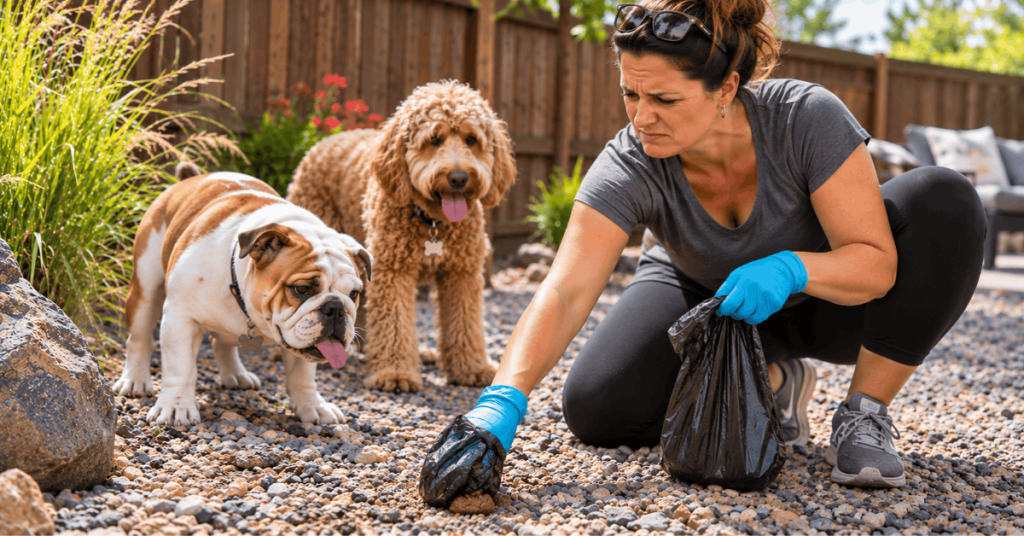
Gravel and decorative rock can make a backyard easier to maintain, especially in areas where growing grass is difficult. But when a dog decides that rock-covered area is the perfect bathroom, cleanup can get tricky fast. Solid poop can fall between stones, soft stool can coat several pieces of gravel, and diarrhea can work its way down into the material underneath.
If you have ever tried to pick up a pile only to watch half of it disappear between the rocks, you already know the problem. One minute you are holding a poop bag, and the next you are moving handfuls of gravel around trying to figure out where the rest went. With multiple dogs, that little scavenger hunt gets old pretty quickly.
The best way to clean dog poop from gravel is to remove as much waste as possible before adding water or disturbing the surrounding rocks. After that, we can deal with residue, contaminated gravel, and odor without turning one small pile into a much larger mess.
Why Dog Poop Is Harder to Clean From Gravel
Grass usually holds a pile near the surface. Gravel does not.
Depending on the rock size, poop can fall into gaps and reach the soil, landscape fabric, sand, or compacted base underneath.
Cleanup becomes even harder when:
- The stool is soft or watery.
- Small gravel sticks to fresh poop.
- Rain breaks down an older pile.
- Dogs repeatedly use the same bathroom area.
- Waste becomes buried by foot traffic.
- Decorative rocks are small or tightly packed.
- Several piles accumulate before cleanup.
The goal should be to remove fecal material rather than bury it under the rocks.
If keeping up with a rock-covered dog area has become a chore, our professional dog waste cleanup in Oklahoma City can take routine scooping off your list.
You can also compare our cleanup schedules and pricing to find an option that fits your yard and number of dogs.
How to Clean Solid Dog Poop From Gravel
Start with the easiest situation: a fresh, formed pile.
Use a waste bag, small scoop, shovel, or narrow rake to lift the poop without pushing it farther between the stones.
Try to remove the pile from the outside edges toward the center.
If several gravel pieces come up with the poop, that is okay. Losing a few stones is better than dropping contaminated material back into the yard to save the gravel.
After removing the main pile, gently separate the surrounding stones and look underneath them for anything left behind.
A small hand rake can be useful because it lets us move the top layer without digging deeply into the entire rock bed.
We Scoop Poop
Get your yard back without the hassle. Click below for a free instant quote for professional dog poop cleanup in Oklahoma City—no obligations, no contracts, and no hidden fees.
Spraying fresh dog poop with a hose may seem like an easy solution, but it usually creates a bigger problem.
Water can break the waste apart and carry it:
- Deeper into the gravel
- Into the soil underneath
- Across surrounding landscaping
- Toward driveways or sidewalks
- Into gutters and storm drains
Instead, scoop first, then rinse only when necessary.
Pet waste carried by stormwater can contribute bacteria, parasites, nitrogen, and phosphorus to local waterways, which is another reason we do not want to wash poop away.
Our guide to proper dog waste disposal in Oklahoma City explains what to do with the waste after you collect it.
How to Clean Soft Dog Poop From Gravel
Soft poop requires a little more patience.
Start by lifting whatever material will hold together. Use cardboard, a small plastic scraper, disposable towels, or another tool that lets you work underneath the waste.
Avoid rubbing or grinding it into the gravel.
Once you remove the bulk, gently move the affected stones aside so you can see whether material has reached the layer underneath.
If only a few inexpensive stones are heavily coated, throwing them away may be easier and cleaner than trying to wash every piece.
For very loose stool, our guide to cleaning dog diarrhea from a yard explains why you should remove it physically before rinsing or trying to disinfect the area.
How to Clean Dog Diarrhea From a Rock Yard
Dog diarrhea is probably the hardest type of pet waste to remove from gravel.
Before using water, use absorbent disposable material to pick up as much liquid stool as possible.
Then carefully remove any rocks that remain heavily contaminated.
If diarrhea has soaked into decomposed granite, sand, soil, or another loose material underneath the rocks, removing and replacing a small amount of that material may be more practical than trying to wash it clean.
This becomes particularly important if your veterinarian has diagnosed your dog with an intestinal parasite or infectious condition.
Outdoor environments are difficult to decontaminate completely. Prompt poop removal and following your veterinarian’s recommendations are more important than trying to sterilize an entire gravel yard.
Can You Disinfect a Gravel Dog Yard?
We need to separate cleaning from disinfecting.
Cleaning removes visible fecal material and contamination. Disinfecting involves using a product intended to kill specific germs.
A gravel bed is not the same as a smooth, nonporous floor.
Disinfectant may contact the exposed surface of individual rocks, but it may not reach fecal material that has worked into soil, sand, landscape fabric, or other material below the surface.
That means we should not promise ourselves that spraying disinfectant across a rock yard has completely sanitized it.
When a dog has been diagnosed with Giardia, worms, or another infection, follow your veterinarian’s environmental-cleaning instructions. Promptly removing feces may be one of the most important things we can do to reduce environmental contamination.
Our article on the health risks of neglected pet waste explains why consistent removal matters for dogs and families.
Should You Remove Contaminated Gravel?
Sometimes, yes.
You do not need to throw away gravel every time your dog poops.
But removing a handful of heavily contaminated stones can make sense when:
- Diarrhea has coated the rocks.
- Waste has dried firmly onto small stones.
- A strong odor remains after the poop is gone.
- A sick dog repeatedly used the same area.
- Cleaning the individual pieces would take more effort than replacing them.
Bag the contaminated material and replace it with clean gravel after cleaning the area underneath as well as possible.
For expensive decorative stone, individual larger rocks may be easier to clean separately, depending on the stone manufacturer’s recommendations.
How to Get Dog Poop Smell Out of Gravel
If a gravel area still smells after the visible poop is gone, look underneath the surface before reaching for an odor product.
The source may be fecal residue sitting below the top layer.
Lightly rake the affected area and check for old waste, contaminated soil, or organic material trapped between stones.
Remove the source first.
Afterward, an outdoor pet odor product labeled as safe for the specific rock, landscaping, pets, and surrounding vegetation may help with remaining odor.
Do not assume an odor eliminator is also a disinfectant. Those are two different jobs.
What About Dog Poop on Large Landscape Rocks?
Large river rocks and decorative stones are usually easier to deal with than small pea gravel because the waste tends to remain closer to the surface.
Remove the pile first.
If residue remains on an individual rock, it may be possible to clean that surface with detergent and water while controlling the dirty rinse water.
For nearby patios or other hard surfaces, use the steps in our guide to cleaning dog poop from concrete and patios.
The important difference is that large individual rocks can often be treated more like a washable surface. At the same time, a deep bed of small gravel contains hundreds of gaps where contamination can hide.
Find The Perfect Scoop Plan
Answer a few quick questions about your yard and dogs, and we’ll help point you toward the cleanup plan that makes the most sense.
How Often Should You Scoop a Gravel Dog Yard?
Frequent cleanup makes a huge difference.
A fresh pile on top of gravel is much easier to remove than one that has been stepped on, rained on, dried out, or buried under loose stones.
For households with multiple dogs, checking the potty area every day or every few days can prevent waste from becoming embedded in the rock.
The right schedule depends on the number of dogs, size of the area, and how heavily they use it. Our guide to how often you should clean dog poop from your yard can help you determine a practical schedule.
Make Gravel Areas Easier to Maintain
If you are designing a dedicated dog potty area, think about cleanup before choosing the material.
Very small rock may move easily and stick to soft stool. Extremely rough or sharp rock may also be uncomfortable for paws.
A clearly defined potty zone makes searching easier because you know where most of the waste should be.
Keeping the gravel reasonably level also helps prevent piles from disappearing into deep depressions.
Most importantly, scoop regularly.
Gravel can be a practical dog-yard surface, but it works best when waste does not have enough time to settle below the top layer.
The “Bottom” Line: Scoop Before You Rinse
Cleaning dog poop from gravel is mostly about containing the mess.
Remove solid waste first. Lift nearby stones carefully. Absorb diarrhea instead of washing it away. Remove heavily contaminated gravel when necessary, and inspect the material underneath if odor or residue remains.
Avoid turning the garden hose into your first cleanup tool.
When illness or parasites are involved, do not assume an outdoor gravel bed can be completely disinfected. Remove feces promptly and follow your veterinarian’s instructions to protect your dog and reduce reinfection.
The faster we remove the poop, the less time it has to disappear between the rocks.
Your dog can pick the potty spot. We handle what’s left behind. No contracts. Local, veteran-operated service. Less mess. Get your instant price today!
8 FAQs About Cleaning Dog Poop From Gravel
What is the best way to clean dog poop from gravel?
How do you remove soft dog poop from gravel?
Can I hose dog poop out of gravel?
How do you clean dog diarrhea from a gravel yard?
How do you get dog poop smell out of gravel?
Can you disinfect a gravel dog yard?
Should I replace gravel that has dog poop on it?
How often should I pick up dog poop from a gravel yard?
Pick up dog poop frequently so it does not get stepped on, buried, rained on, or worked deeper into the gravel. Daily or every-few-days checks are especially useful in multi-dog households or heavily used potty areas.

About Carlton
Carlton Wolf is the founder of Poop Free OKC, a veteran-owned pet waste removal company serving Oklahoma City and the surrounding metro. As a U.S. Coast Guard veteran, Carlton built Poop Free OKC to provide reliable, professional yard cleanup for busy dog owners who want a cleaner, safer outdoor space without the hassle.
PILES OF KNOWLEDGE
Pet Health & Safety
Pet Waste Removal Tips
Pet Yard & Home Care
1st Anniversary Special
Claim Your FREE Poop Scoop!
*The next 25 customers who sign up for recurring service.
You May Also Like…
Muddy Backyard Solutions for Dog Owners in Oklahoma
Tired of muddy paws, bare grass, and dog poop disappearing into wet soil? Learn practical ways Oklahoma dog owners can improve drainage, reduce mud, protect grass, and keep the backyard easier to maintain.
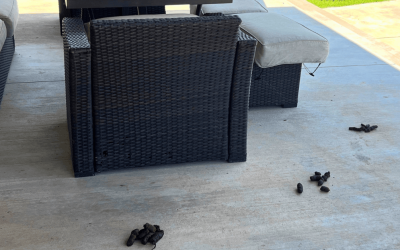
Dog Poop on Concrete? How to Clean Patios and Hard Surfaces
Dog poop can stain concrete, leave odors behind, and work into porous patio surfaces. Learn how to remove fresh, dried, and loose waste without spreading the mess or damaging the surface.
How to Collect and Store a Dog Stool Sample for the Vet
Need to bring a dog stool sample to the vet? Learn how much to collect, what container to use, when to refrigerate it, and how fresh the sample should be.
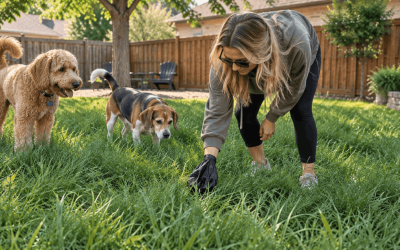
Dog Poop Hidden in Tall Grass or Leaves? How to Find It
Tall grass and fallen leaves can make dog poop surprisingly hard to find. Learn how to search your yard efficiently, uncover hidden piles, and clean them up without spreading the mess.
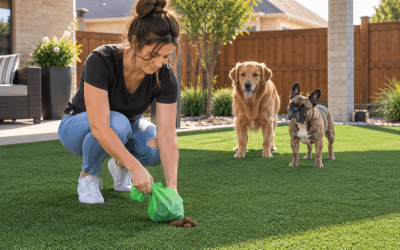
How to Clean Dog Poop From Artificial Turf
Dog poop can leave residue and odor behind on artificial grass. Learn how to remove solid and soft waste, rinse correctly, clean the turf, and prevent smells.
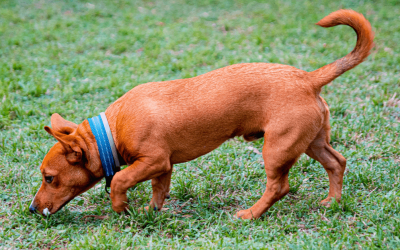
Why Do Dogs Circle and Sniff Before They Poop?
Dogs often sniff, circle, and carefully choose a spot before they poop. Learn why dogs do this, what scent has to do with it, and when the behavior may signal a problem.