Dog Poop on Concrete? How to Clean Patios and Hard Surfaces
Home » Blog » Pet Waste Removal Tips »
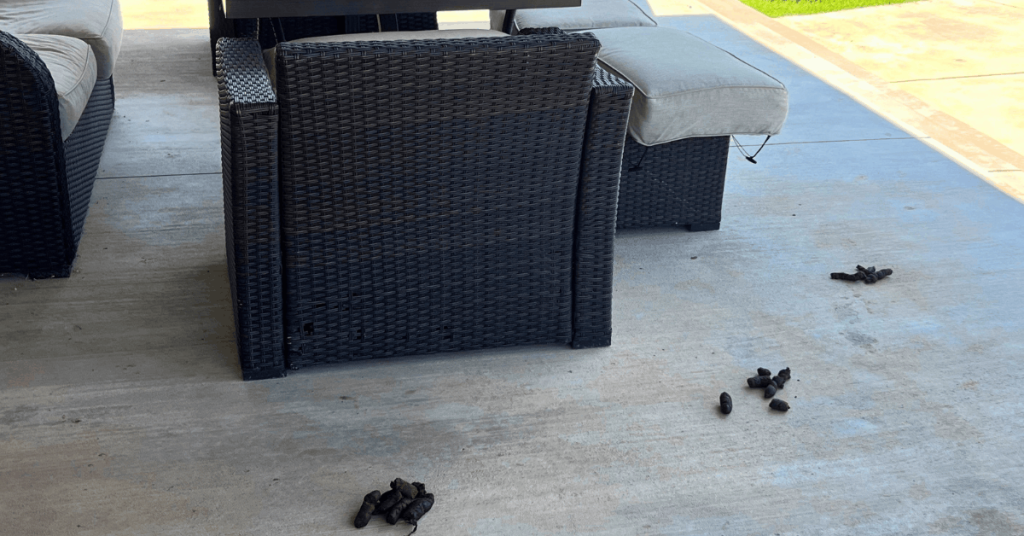
Dog poop is easy to scoop from short grass when everything goes as planned. Concrete, patios, walkways, and other hard surfaces are different. Waste can smear across surfaces, settle into small pores, dry in the sun, or leave stains and odors long after the pile is gone.
Most dog owners have had that moment when the dog ignores the entire yard and chooses the patio, driveway, or walkway instead. Then someone steps near it, the dog walks through it, or the Oklahoma sun starts baking it onto the concrete before we get outside. What should have been a quick pickup suddenly becomes a cleaning project.
The good news is that most dog poop can be cleaned from concrete without harsh chemicals or aggressive pressure washing. The key is to remove the waste first, clean the remaining residue second, and disinfect only when needed.
How Do You Clean Dog Poop Off Concrete?
Remove as much solid waste as possible before adding water. Wash the remaining residue with mild detergent and water, scrub with a stiff nylon brush, and rinse carefully. Avoid washing fecal material toward streets or storm drains. If disinfection is necessary, clean the surface first and use a disinfectant labeled for that surface.
Concrete may look solid, but tiny pores can trap moisture, residue, and odors. That is why simply spraying dog poop with a hose often leaves more behind than we realize.
If you would rather keep pet waste from accumulating around your property in the first place, our professional pet waste cleanup in Oklahoma City can handle routine scooping for you.
You can also compare our recurring cleanup options and rates to find a schedule that fits your dogs, yard, and household.
We Scoop Poop
Get your yard back without the hassle. Click below for a free instant quote for professional dog poop cleanup in Oklahoma City—no obligations, no contracts, and no hidden fees.
Why Dog Poop Can Be Harder to Clean From Concrete
Concrete and many patio materials have textured or porous surfaces. Fresh stool can press into those small openings, while soft stool can spread across a much larger area.
Several things can make the cleanup harder:
- Soft or watery stool spreads into surface texture.
- Dried poop can stick firmly to concrete.
- Porous surfaces can hold odor after the visible waste is gone.
- Stamped or colored concrete may react differently to cleaners.
- Paver joints can trap small pieces of waste.
- Using too much water can spread contamination instead of removing it.
The best approach is usually the simplest: remove, wash, rinse, then decide whether disinfection is necessary.
How to Clean Dog Poop Off Concrete Step by Step
Cleaning concrete is easier when we work in stages instead of trying to wash everything away at once.
1. Pick Up the Solid Waste
Put on disposable gloves and remove as much of the poop as possible with a bag, scoop, small shovel, or disposable material.
Lift the waste straight up instead of dragging it across the concrete.
If the poop is soft, work from the outside edge toward the center so the contaminated area gets smaller instead of larger.
Once you remove it, seal the waste in a bag and dispose of it properly. Our guide to proper dog waste disposal in Oklahoma City explains what to do with it after pickup.
2. Remove Loose or Watery Residue
Do not immediately blast diarrhea or very soft poop with a garden hose.
Use paper towels or another disposable absorbent material to lift as much liquid as possible first.
This is the same basic principle we use when cleaning up dog diarrhea in the yard: remove the mess before introducing water.
Once most of the material is gone, wash the surface.
3. Wash With Mild Detergent and Water
Apply water and a mild detergent that is appropriate for your concrete or patio surface.
Scrub the area with a stiff nylon or other nonmetallic brush. Work the cleaner into the textured surface without aggressively grinding at the concrete.
For ordinary solid dog poop, good physical cleaning may be all the area needs.
Cleaning and disinfecting are not the same thing. Cleaning removes visible dirt, organic material, and many germs. Disinfecting is an additional step that kills certain germs.
4. Rinse Without Sending Waste Into the Street
Rinse away the remaining detergent and residue with a controlled amount of clean water.
Do not intentionally wash dog poop, dirty water, or loose fecal material toward a driveway, gutter, street, or storm drain.
Hard surfaces create runoff quickly. Water-carried pet waste can move bacteria, parasites, nitrogen, and phosphorus into stormwater and local waterways.
That is another reason to remove as much solid material as possible before rinsing.
5. Disinfect When the Situation Calls for It
You do not necessarily need to disinfect the patio every time a healthy dog leaves a normal, solid pile.
Disinfection becomes more important when a dog has diarrhea, a diagnosed infectious illness, or another condition your veterinarian recommends cleaning more thoroughly.
Always clean visible waste away first.
Then choose a disinfectant labeled for the surface you are treating. Follow the dilution, contact time, rinsing, ventilation, and pet-safety directions exactly.
Keep dogs and children away until the product label says the area is safe.
How to Clean Dried Dog Poop Off Concrete
Old dog poop can dry hard on concrete, especially in warm weather.
Start by removing loose pieces with a scraper or scoop. A plastic scraper is often safer for decorative surfaces than a metal blade.
Next, lightly wet the remaining residue and let it soften.
Apply mild detergent, scrub with a stiff nylon brush, and rinse.
Avoid aggressively chipping, grinding, or wire-brushing decorative, sealed, or older concrete. Damaging the surface can worsen future staining and moisture penetration.
If you have a large amount of accumulated waste around the property, our one-time pet waste cleanup can help remove the buildup before you tackle individual stains and hard-surface cleanup.
How to Remove Dog Poop Stains From Concrete
Sometimes the waste is gone, but a dark or discolored spot remains.
Start with another round of detergent and gentle scrubbing before moving to a stronger product.
If the stain remains, choose a cleaner specifically labeled as safe for your type of concrete, paver, brick, or stone.
This matters even more with:
- Stamped concrete
- Colored concrete
- Sealed patios
- Natural stone
- Older masonry
Test unfamiliar cleaners in a small, inconspicuous area first.
Don’t mix household chemicals to make a stronger cleaner.
How to Get Dog Poop Smell Out of Concrete
Odor usually means some organic material remains on or inside the surface.
Clean the area thoroughly, then let it dry. Concrete can smell different when wet, so judging the result while the patio is still damp can be misleading.
If odor remains after normal cleaning, a pet odor or enzyme cleaner labeled as safe for concrete may help break down remaining organic residue.
Follow the product directions and test on an inconspicuous area first.
An odor-control product is not automatically a disinfectant. If your concern is disease rather than smell, use a disinfectant specifically labeled for that purpose.
For homeowners concerned about contamination elsewhere in the yard, our guide to the health risks of neglected pet waste explains why regular removal matters.
Can You Use Bleach on Dog Poop Stains on Concrete?
Bleach shouldn’t be your automatic first choice.
Although some bleach products are registered for disinfecting certain hard surfaces, concrete varies. Colored, sealed, stamped, decorative, or older surfaces may react differently to strong alkaline cleaners.
Bleach runoff can also affect nearby plants and materials.
If you need to disinfect the area, choose a product whose label specifically allows the intended surface and use. Never assume that a stronger concentration works better.
Never mix bleach with ammonia, acids, vinegar, or other cleaners.
Does Vinegar Disinfect Dog Poop on Concrete?
Do not rely on vinegar when your goal is disinfection.
Vinegar may help with some household cleaning jobs, but it does not reliably kill all germs associated with pet waste.
For normal cleanup, detergent and physical scrubbing do most of the work.
For true disinfection, use an appropriate registered disinfectant according to its label instead of vinegar.
Can You Pressure Wash Dog Poop Off a Patio?
A pressure washer can make the problem worse if dog poop is still on the surface.
High-pressure water can spray fecal material across nearby walls, furniture, landscaping, shoes, and other sections of the patio.
Scoop first. Clean second. Pressure wash only afterward if necessary.
Even then, use caution. Excessive pressure can damage concrete finishes, mortar joints, brick, stone, and older masonry.
Use the lowest effective pressure, maintain a safe distance, test a small area first, and follow any recommendations from the surface manufacturer or installer.
What About Brick, Pavers, Stone, and Sealed Concrete?
The basic cleanup order stays the same: remove the poop, wash away residue, rinse carefully, and disinfect only when appropriate.
Cleaning products may vary by surface.
Brick and paver joints can trap residue. Natural stone may react badly to acidic cleaners. Sealed or stained concrete can lose color or finish when exposed to an incompatible chemical.
When you are unsure, start with the mildest effective cleaning method and check the manufacturer’s care instructions before using stronger chemicals.
Don’t use muriatic acid or other aggressive masonry cleaners just because a pet stain is stubborn.
Find The Perfect Scoop Plan
Answer a few quick questions about your yard and dogs, and we’ll help point you toward the cleanup plan that makes the most sense.
How to Keep Dog Poop Off Your Patio
The easiest patio stain to clean is one that never dries.
Pick up waste soon after your dog goes, especially around patios, walkways, pool decks, play areas, and other high-traffic spaces.
Regular cleanup also makes it easier to spot an accident before someone steps in it or tracks it indoors.
If keeping up with the entire yard has become difficult, regular scooping prevents waste from accumulating around the property. Our professional service handles routine pickup while you care for your dogs and enjoy the yard.
If you want additional treatment after removing visible pet waste, you can also learn about our PF Sanitize™ backyard sanitization service.
The “Bottom” Line: Cleaning Dog Poop From Concrete
When dog poop lands on a concrete patio, driveway, sidewalk, or other hard surface, resist the urge to blast it with water right away.
Remove the poop first.
Absorb soft residue, wash the area with an appropriate detergent, scrub with a nonmetallic brush, and rinse carefully without sending dirty water toward a storm drain.
For routine solid waste, thorough cleaning may be enough. When illness, diarrhea, or other contamination concerns make disinfection appropriate, clean first, then use a disinfectant labeled for the surface.
Use caution with pressure washers, bleach, acids, stamped concrete, sealers, natural stone, and decorative masonry.
The cleaner we keep the yard, the less often dog poop gets stepped in, tracked onto the patio, or left long enough to become a stubborn stain.
Your dog can keep enjoying the backyard. We will handle what they leave behind. No contracts. Local, veteran-operated service. Less mess. Get your instant price today!
FAQs About Cleaning Dog Poop Off Concrete
What is the best way to clean dog poop off concrete?
How do you remove dried dog poop from concrete?
Can I use bleach to clean dog poop off concrete?
Does vinegar disinfect dog poop on concrete?
How do you remove a dog poop stain from concrete?
How do you get dog poop smell out of a concrete patio?
Can I pressure wash dog poop off concrete?
How do you clean dog diarrhea off concrete?

About Carlton
Carlton Wolf is the founder of Poop Free OKC, a veteran-owned pet waste removal company serving Oklahoma City and the surrounding metro. As a U.S. Coast Guard veteran, Carlton built Poop Free OKC to provide reliable, professional yard cleanup for busy dog owners who want a cleaner, safer outdoor space without the hassle.
Sources
- CDC: Dogs — Healthy Pets, Healthy People
- CDC: About Cleaning and Disinfecting Pet Supplies
- CDC: Giardia Infection Prevention and Control
- EPA: Sources and Solutions — In and Around the Home
- EPA: Stormwater Best Management Practice — Pet Waste Management
- National Park Service: Assessing Cleaning Treatments for Masonry
PILES OF KNOWLEDGE
Pet Health & Safety
Pet Waste Removal Tips
Pet Yard & Home Care
1st Anniversary Special
Claim Your FREE Poop Scoop!
*The next 25 customers who sign up for recurring service.
You May Also Like…
How to Collect and Store a Dog Stool Sample for the Vet
Need to bring a dog stool sample to the vet? Learn how much to collect, what container to use, when to refrigerate it, and how fresh the sample should be.
Dog Poop Hidden in Tall Grass or Leaves? How to Find It
Tall grass and fallen leaves can make dog poop surprisingly hard to find. Learn how to search your yard efficiently, uncover hidden piles, and clean them up without spreading the mess.
How to Clean Dog Poop From Artificial Turf
Dog poop can leave residue and odor behind on artificial grass. Learn how to remove solid and soft waste, rinse correctly, clean the turf, and prevent smells.
Why Do Dogs Circle and Sniff Before They Poop?
Dogs often sniff, circle, and carefully choose a spot before they poop. Learn why dogs do this, what scent has to do with it, and when the behavior may signal a problem.
How to Clean Up Dog Diarrhea in Your Yard
Dog diarrhea can be difficult to remove from grass without making the mess bigger. Learn how to handle fresh and dried diarrhea, clean your tools, avoid common mistakes, and know when it is time to call your veterinarian.
How to Stop Your Dog From Humping
Dog humping can be caused by excitement, stress, habit, attention-seeking, or sexual behavior. Learn how to stop it and when to call your vet.