How to Train Your Dog to Poop in One Spot (Step-by-Step Guide)

Home » Blog » Pet Yard & Home Care »
Train Your Dog to Poop in One Area?
To teach your dog to poop in one spot, choose a designated bathroom area, always walk your dog to that location on a leash, use a consistent verbal cue, reward immediately after they go, and repeat daily for 2–4 weeks. Dogs learn through repetition and positive reinforcement, so consistency is the key to success.
If you’re tired of playing “find the pile” every time you step into the yard, you’re not alone. Many dog owners want their pets to use a designated bathroom area instead of the whole lawn.
While your dog is still learning, waste may still be scattered across the lawn. Use this simple search method to find dog poop hidden around your yard, especially when grass, leaves, and uneven ground make piles difficult to see.
The good news is this: dogs are creatures of habit. With the right guidance, they will gladly use the same spot every time.
In this guide, we will show you exactly how to teach your dog to poop in one spot using a simple, proven system.
Why Teaching Your Dog to Poop in One Spot Matters
Training your dog to use a designated poop area makes yard maintenance easier and faster.
Benefits of a Designated Poop Spot
- Faster cleanup
- Less odor across the yard
- Cleaner grass for kids and guests
- Reduced lawn damage
- Predictable bathroom habits
When we control the location, we control the mess.
If you are unsure how often waste builds up in your yard, use our Dog Poop Cleanup Frequency Planner to calculate the right schedule based on your dogs and yard size.
We Scoop Poop
Get your yard back without the hassle. Click below for a free instant quote for professional dog poop cleanup in Oklahoma City—no obligations, no contracts, and no hidden fees.
How to Teach Your Dog to Poop in One Spot
Training your dog to use one designated potty area makes yard cleanup faster, protects your grass, and creates a predictable routine for your dog. With consistency, clear cues, and positive reinforcement, most dogs can learn this habit in just a few weeks. Follow the steps below to build a simple system that works.
Step 1: Choose the Right Bathroom Location
Pick a quiet, low-traffic corner of the yard.
Look for:
- Good drainage
- Easy access
- Distance from patios and play areas
- A clearly defined boundary
Gravel, mulch, or a small bordered grass section works well. Visual differences help dogs understand the space.
Step 2: Use a Leash Every Time
The biggest mistake people make is letting their dog roam freely.
Instead:
- Put the dog on a leash
- Walk directly to the designated area
- Stand still and wait
No exploring. No distractions.
Dogs repeat what becomes routine.
Step 3: Add a Consistent Verbal Cue
As soon as you see signs they are about to go, calmly say:
- “Go potty”
- “Do your business”
- “Bathroom”
Repeat this every single time.
Eventually, they connect the cue with the action.
Wait for the natural signs that your dog is getting ready to go. Understanding why dogs sniff and circle before they poop can help you recognize the right moment to use the cue without rushing them.
Step 4: Reward Immediately
Timing matters.
The second they finish:
- Praise enthusiastically
- Offer a small treat
- Show affection
Positive reinforcement builds strong habits.
Step 5: Clean the Rest of the Yard Completely
Dogs return to areas that smell familiar. If old piles remain scattered, they will keep using those areas.
You need to:
- Remove all existing waste
- Rinse previously used spots
- Keep only the designated area scented
If your yard already has multiple problem areas, consider scheduling a full professional dog poop removal service before starting training. Beginning with a completely clean yard makes the transition much easier.
Step 6: Repeat for 2–4 Weeks
Most dogs learn within:
- 1–2 weeks (puppies)
- 2–4 weeks (adult dogs)
Always:
- Walk directly to the spot
- Use the cue
- Reward immediately
Consistency is everything.
Find The Perfect Scoop Plan
Answer a few quick questions about your yard and dogs, and we’ll help point you toward the cleanup plan that makes the most sense.
How to Maintain a Clean Designated Poop Area
Once your dog understands the system, maintenance becomes simple.
We recommend:
- Scooping daily or every few days
- Raking gravel or mulch weekly
- Checking drainage after heavy rain
- Using a pet-safe deodorizer if needed
To keep odors down year-round, explore our pet-safe yard deodorizer service designed specifically for dog bathroom areas.
Common Mistakes to Avoid
- Yelling at accidents
- Changing the bathroom location mid-training
- Removing rewards too soon
- Letting the dog roam freely too early
Dogs thrive on structure. When we stay consistent, results follow.
When to Consider Ongoing Maintenance Help
Even when dogs use one spot, waste still builds up quickly.
Check out our dog poop removal plans and pricing if you want a consistently clean yard without having to handle the mess yourself. Our weekly service keeps designated bathroom areas clean and odor-free year-round.
The “Bottom” Line
Teaching your dog to poop in one spot is not complicated, but it does require patience and consistency. When we choose a clear location, use the same routine every time, reward immediately, and keep the rest of the yard clean, the habit forms naturally. Within a few weeks, most dogs understand exactly where to go. Stick with the process, stay consistent, and you will enjoy a cleaner, more manageable yard year-round.
To make training easier, start by thoroughly cleaning the yard before you begin. Removing old waste eliminates lingering scent markers and reduces the chance your dog returns to previous bathroom spots.
FAQS for Training a Dog to Poop In the Same Spot
How long does it take to train a dog to poop in one spot?
Most dogs learn within 2 to 4 weeks when we use consistent leash guidance, verbal cues, and immediate rewards.
Can I train an older dog to use one bathroom area?
Yes. Older dogs can learn new habits. It may take slightly longer, but the same repetition and reward system works.
Should I use gravel or grass for a poop area?
Both work. Gravel or mulch often makes the boundary clearer and easier to clean, but grass works if it is clearly defined.
What if my dog refuses to go in the designated spot?
Keep them on a short leash, limit distractions, and wait patiently. Avoid punishment. Consistency solves most resistance issues.
Can multiple dogs share the same poop area?
Yes. Train each dog individually first. Once they understand the routine, they can use the same designated spot.

About Carlton
Carlton Wolf is the founder of Poop Free OKC, a veteran-owned pet waste removal company serving Oklahoma City and the surrounding metro. As a U.S. Coast Guard veteran, Carlton built Poop Free OKC to provide reliable, professional yard cleanup for busy dog owners who want a cleaner, safer outdoor space without the hassle.
PILES OF KNOWLEDGE
Pet Health & Safety
Pet Waste Removal Tips
Pet Yard & Home Care
1st Anniversary Special
Claim Your FREE Poop Scoop!
*The next 25 customers who sign up for recurring service.
You May Also Like…
Dog Poop Cleanup for Gravel and Rock Yards
Dog poop can fall between rocks, smear across gravel, and leave residue below the surface. Learn how to remove solid waste, diarrhea, odors, and contaminated material without spreading the mess.
Muddy Backyard Solutions for Dog Owners in Oklahoma
Tired of muddy paws, bare grass, and dog poop disappearing into wet soil? Learn practical ways Oklahoma dog owners can improve drainage, reduce mud, protect grass, and keep the backyard easier to maintain.
Dog Poop on Concrete? How to Clean Patios and Hard Surfaces
Dog poop can stain concrete, leave odors behind, and work into porous patio surfaces. Learn how to remove fresh, dried, and loose waste without spreading the mess or damaging the surface.
How to Collect and Store a Dog Stool Sample for the Vet
Need to bring a dog stool sample to the vet? Learn how much to collect, what container to use, when to refrigerate it, and how fresh the sample should be.
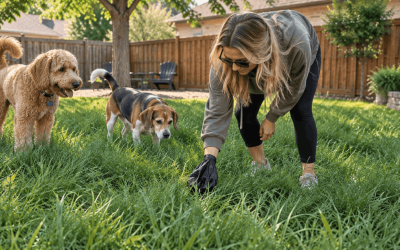
Dog Poop Hidden in Tall Grass or Leaves? How to Find It
Tall grass and fallen leaves can make dog poop surprisingly hard to find. Learn how to search your yard efficiently, uncover hidden piles, and clean them up without spreading the mess.
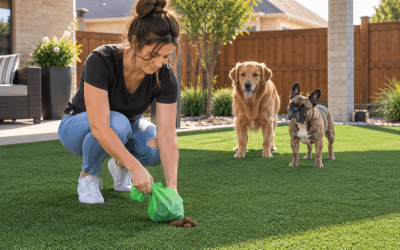
How to Clean Dog Poop From Artificial Turf
Dog poop can leave residue and odor behind on artificial grass. Learn how to remove solid and soft waste, rinse correctly, clean the turf, and prevent smells.