The Ultimate Dog Poop Guide: Signs of a Healthy Pet

Home » Blog » Health & Safety »
It might not be the most glamorous topic, but your dog’s poop is one of the most transparent windows into their health. From color and consistency to frequency, each bathroom break tells a story. Knowing what’s normal—and what’s not—can help you catch potential issues early and keep your pup happy and healthy.
At Poop Free OKC, we’re more than just a pooper scooper service. We’ve seen it all, and we know that monitoring your pet’s waste is a simple but powerful tool for protecting their well-being.
This guide covers the key signs of healthy dog poop, red flags to watch for, and how regular cleanup keeps your yard safe for pets and people.
Dog Poop Guide: Healthy Pet Signs
Your dog’s bathroom habits might not be the most pleasant topic, but they reveal a lot about their health. By knowing what healthy poop should look like, you can catch problems early and keep your pup feeling their best. Here’s what to watch for.
What Does Healthy Dog Poop Look Like?
Veterinarians often use the “Four C’s” to describe healthy dog waste:
- Color – Healthy poop should be a medium chocolate brown. This indicates proper digestion and a balanced diet.
- Consistency – A firm but moist texture is ideal. Think of Play-Doh that holds its shape without being too complicated.
- Content – Normal poop should be free of foreign material. Undigested food, fur, or visible parasites are warning signs.
- Coating – Healthy stool should not have a slimy or mucous-like coating. It should leave little to no residue when picked up.
If your dog’s poop checks all these boxes, it’s usually a sign of good digestive health.
We Scoop Poop
Get your yard back without the hassle. Click below for a free instant quote for professional dog poop cleanup in Oklahoma City—no obligations, no contracts, and no hidden fees.
What Changes in Dog Poop Can Mean
Not all variations in poop mean trouble, but it’s important to know what might signal an issue:
- Black or Tarry Stool: Could indicate internal bleeding—call your vet immediately.
- Bright Red Streaks: Often a sign of blood near the rectum or anal glands.
- Yellow or Gray Poop: May indicate problems with the liver, pancreas, or gallbladder.
- Loose or Watery Poop: Diarrhea can stem from stress, food intolerance, or infection.
- Hard, Dry Poop: Could mean dehydration or inadequate fiber in the diet.
- Excessive Mucus: Often points to inflammation in the colon.
Whenever poop changes suddenly and doesn’t return to normal within a day or two, it’s best to consult your vet.
How Often Should a Healthy Dog Poop?
The frequency depends on diet, age, and activity level, but most healthy dogs poop one to three times a day.
- Puppies: May go more often due to faster metabolism.
- Adult Dogs: Typically once or twice daily, depending on food type and schedule.
- Senior Dogs: Digestion may slow down, sometimes leading to less frequent bowel movements.
Consistency is key. Learn how often a dog should poop, including typical routines for puppies, adult dogs, and seniors, and when changes may require veterinary attention.
Diet and Its Role in Healthy Poop
What goes in affects what comes out. A dog’s diet has a significant influence on poop quality.
- High-Quality Food: More nutrients are absorbed, producing smaller, firmer stools.
- Low-Quality Food with Fillers: Leads to bulkier, softer poop.
- Table Scraps & Human Food: Can cause irregularity, diarrhea, or even toxicity.
- Hydration: Adequate water intake prevents hard, dry stools.
Feeding a consistent, balanced diet tailored to your dog’s size and activity level is the best way to promote healthy digestion.
Why Monitoring Poop is So Important
It might not be fun, but keeping an eye on your dog’s poop provides valuable insight:
- Early Health Detection: Changes in stool can signal health issues before other symptoms appear.
- Parasite Control: Identifying worms or eggs early keeps your dog safe.
- Veterinary Diagnostics: Your vet may ask for stool samples during checkups.
- Yard Safety: Knowing what’s normal makes it easier to spot anything concerning.
If your veterinarian requests a fecal specimen, proper handling helps keep it useful for testing. Follow these steps to collect and store a dog stool sample for your veterinarian without contaminating it or letting it become too old.
Tracking your dog’s poop is a simple habit that can protect their health and keep your yard safe for everyone.
Find The Perfect Scoop Plan
Answer a few quick questions about your yard and dogs, and we’ll help point you toward the cleanup plan that makes the most sense.
Keeping Your Yard Safe with Regular Cleanup
Even if your dog’s poop looks normal, leaving it in the yard isn’t safe. Dog waste is classified as an environmental pollutant by the EPA, and here’s why:
- It contains harmful bacteria and parasites.
- Rain can wash pathogens into waterways.
- It damages grass and soil.
- It creates odors and attracts pests.
That’s why OKC residential pet waste removal services like Poop Free OKC are so valuable. We keep your yard clean so you can keep your focus on your pet’s health.
Poop Free OKC Services for Families and Businesses
We offer more than scooping—we deliver peace of mind. Our services include:
- Weekly, Twice-Weekly, Bi-Weekly, and Monthly Scoops – Consistent cleanup for busy families.
- One-Time Scoop Service – Great for special events, move-ins, or post-vacation catch-ups.
- Yard Deodorizer Service – Neutralizes odors with pet-safe treatments.
- Commercial Scooping – Apartment complexes, dog parks, and businesses stay clean and welcoming.
- Eco-Friendly Disposal – Waste is handled responsibly for your home and the environment.
With Poop Free OKC, you don’t just get a clean yard—you get a partner who cares about your pets, too. Our team keeps an eye on your dog’s waste and will notify you if we notice anything unusual, giving you extra peace of mind about their health.
The Final Scoop
Healthy dog poop is firm, brown, and consistent—and keeping track of it helps you monitor your pet’s health. But even healthy poop can be hazardous when left in the yard.
That’s where Poop Free OKC comes in. We keep your lawn clean, your family safe, and your pets happy with reliable, professional dog poop pick-up services across Oklahoma City.
Keep Your Dog Healthy, Keep Your Yard Clean
👉 Your dog’s poop can tell you more than you think. From color to consistency, each scoop gives clues about their health. Poop Free OKC helps you keep tabs on what’s normal—while keeping your yard clean, safe, and ready to enjoy.
Get your free instant quote for pet waste removal in Oklahoma City today—no contracts, just peace of mind.

About Carlton
Carlton Wolf is the founder of Poop Free OKC, a veteran-owned pet waste removal company serving Oklahoma City and the surrounding metro. As a U.S. Coast Guard veteran, Carlton built Poop Free OKC to provide reliable, professional yard cleanup for busy dog owners who want a cleaner, safer outdoor space without the hassle.
PILES OF KNOWLEDGE
Pet Health & Safety
Pet Waste Removal Tips
Pet Yard & Home Care
1st Anniversary Special
Claim Your FREE Poop Scoop!
*The next 25 customers who sign up for recurring service.
You May Also Like…
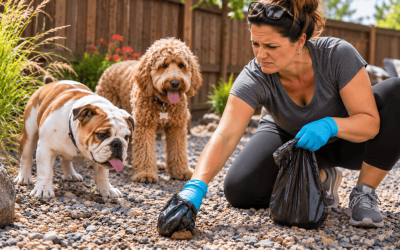
Dog Poop Cleanup for Gravel and Rock Yards
Dog poop can fall between rocks, smear across gravel, and leave residue below the surface. Learn how to remove solid waste, diarrhea, odors, and contaminated material without spreading the mess.
Muddy Backyard Solutions for Dog Owners in Oklahoma
Tired of muddy paws, bare grass, and dog poop disappearing into wet soil? Learn practical ways Oklahoma dog owners can improve drainage, reduce mud, protect grass, and keep the backyard easier to maintain.
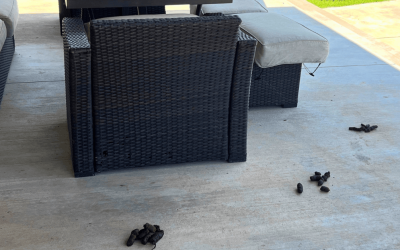
Dog Poop on Concrete? How to Clean Patios and Hard Surfaces
Dog poop can stain concrete, leave odors behind, and work into porous patio surfaces. Learn how to remove fresh, dried, and loose waste without spreading the mess or damaging the surface.
How to Collect and Store a Dog Stool Sample for the Vet
Need to bring a dog stool sample to the vet? Learn how much to collect, what container to use, when to refrigerate it, and how fresh the sample should be.
Dog Poop Hidden in Tall Grass or Leaves? How to Find It
Tall grass and fallen leaves can make dog poop surprisingly hard to find. Learn how to search your yard efficiently, uncover hidden piles, and clean them up without spreading the mess.
How to Clean Dog Poop From Artificial Turf
Dog poop can leave residue and odor behind on artificial grass. Learn how to remove solid and soft waste, rinse correctly, clean the turf, and prevent smells.