Home » Blog » Pet Yard & Home Care »
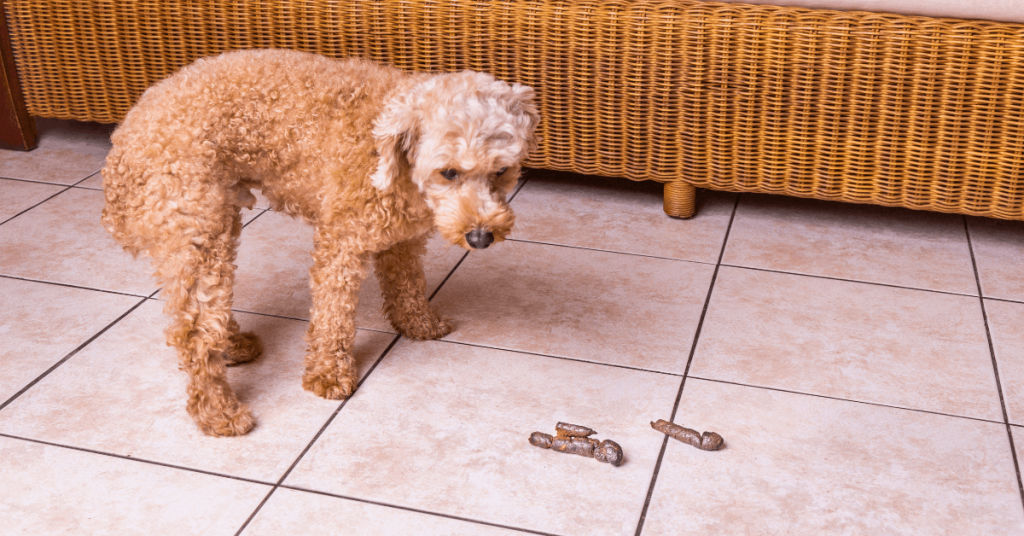
When a house-trained dog suddenly starts pooping in the house, it can feel frustrating and confusing. One day everything seems normal. Then suddenly, there is poop on the rug, by the door, in the hallway, or in a room your dog never used as a bathroom before.
Before we assume the dog is being stubborn, mad, or “getting back at us,” we need to look at the real cause. Dogs do not usually poop inside out of spite. Sudden indoor poop accidents often happen because something changed.
The cause may be medical, digestive, emotional, age-related, schedule-related, or training-related. VCA Animal Hospitals explains that dogs may urinate or defecate indoors for several reasons, and house soiling can involve medical, behavioral, or training causes.
Bathroom timing also matters. If accidents happen after your dog has been inside too long, read our guide on how long dogs can hold their poop to better understand normal poop timing and when waiting too long can become a problem.
It also helps to know what is normal for your dog. Some dogs poop once a day, while others go several times. For more context, read our guide on how many times a day dogs poop.
We Scoop Poop
Get your yard back without the hassle. Click below for a free instant quote for professional dog poop cleanup in Oklahoma City—no obligations, no contracts, and no hidden fees.
Sudden indoor poop accidents usually have a reason. These six clues can help you decide whether the problem may be medical, routine-related, emotional, or training-related.
Sudden accidents, diarrhea, blood, vomiting, straining, pain, or low energy should be discussed with your veterinarian before assuming it is a training issue.
Loose stool, mucus, urgency, constipation, or a sudden change in frequency can point to diet trouble, illness, stress, or another digestive issue.
Missed walks, longer workdays, travel, late meals, or fewer potty breaks can cause accidents even in dogs that are normally house trained.
Moving, visitors, storms, fireworks, new pets, new babies, or being left alone can trigger stress-related accidents in some dogs.
Clean indoor accidents completely and limit access to repeat areas while you rebuild the outdoor potty habit.
Praise and reward your dog right after they poop outside. Clear timing helps your dog understand what behavior earns the reward.
Common Reasons Dogs Suddenly Poop in the House
1. Digestive Upset or Diarrhea
One of the most common reasons for sudden indoor poop accidents is urgency. If your dog has loose stool, stomach upset, or diarrhea, they may not be able to hold it long enough to get outside.
This can happen after:
- A sudden food change
- Too many treats
- Table scraps
- Eating trash
- Stress
- Parasites
- Infection
- Medication changes
- Food sensitivity
Cornell University College of Veterinary Medicine says veterinary care should be sought if diarrhea does not resolve within 48 to 72 hours, or if it comes with vomiting, lethargy, black or tarry stool, or your pet stops eating.
2. A Medical Problem
A dog that suddenly starts pooping inside may have a medical issue. Digestive disorders, pain, inflammation, mobility problems, neurological issues, or diseases outside the digestive system can all affect bathroom habits.
Merck Veterinary Manual notes that veterinarians may examine feces and use blood, fecal, imaging, or other tests to diagnose digestive problems. It also explains that vomiting and diarrhea can sometimes be linked to diseases outside the digestive system.
Call your vet if your dog has:
- Repeated diarrhea
- Blood in the stool
- Black or tarry stool
- Vomiting
- Straining
- Constipation
- Sudden accidents
- Weight loss
- Low energy
- Loss of appetite
- Pain
- A swollen belly
3. Your Dog Was Left Inside Too Long
Even well-trained dogs have limits. If you leave your dog inside longer than usual, they may have an accident.
This is especially true for puppies, senior dogs, small dogs, dogs with stomach issues, and dogs that normally poop after meals or morning activity.
A schedule change can cause problems fast. A new job, different school routine, travel, late evening, or missed walk may be enough to throw off your dog’s bathroom timing.
4. A Change in Diet or Treats
Dogs can have sensitive stomachs. A quick switch in food, new treats, fatty scraps, bones, chews, or a sudden change in feeding time can lead to urgent poop.
If your dog suddenly poops inside after a food change, watch stool texture, frequency, and timing. Loose stool points more toward digestion than disobedience.
5. Stress or Anxiety
Some dogs poop indoors when they feel stressed. This may happen after a move, new pet, new baby, loud noise, boarding, construction, guests, or a major routine change.
Separation anxiety can also cause indoor accidents. ASPCA notes that dogs with separation anxiety may urinate or defecate when left alone. Still, if a dog does it in front of the owner, the cause is probably not separation anxiety.
Signs of anxiety may include:
- Pacing
- Barking
- Whining
- Drooling
- Destructive behavior
- Trying to escape
- Accidents only when alone
6. Fear of Going Outside
Some dogs avoid outdoor potty breaks when something outside scares them. Thunder, fireworks, wind, rain, cold weather, hot pavement, lawn equipment, strangers, loose dogs, or construction noise can all make a dog rush back inside.
The problem may look like stubbornness, but the dog may be trying to avoid something stressful.
7. Aging, Pain, or Cognitive Changes
Senior dogs may suddenly poop in the house because their body or brain is changing. They may have arthritis, weakness, digestive trouble, cognitive decline, or less control than before.
AAHA senior care guidance lists loss of house training and other learned behaviors as possible signs connected with cognitive dysfunction in older dogs.
A senior dog may also know they need to go but struggle to get outside quickly enough.
8. House-Training Regression
A dog can be house-trained and still have a setback. This is common after moving, being rehomed, boarding, illness, schedule changes, or long periods with fewer outdoor breaks.
The fix is usually a short house-training reset, not punishment.
Why Does My Dog Poop Inside After Being Outside?
This is one of the most frustrating situations. You let your dog out, they come back in, and then they poop on the floor.
This can happen when:
- They did not have enough time outside
- They were distracted
- They were nervous outdoors
- They only peed but did not poop
- They prefer walking before pooping
- The weather was uncomfortable
- They are used to pooping in a certain spot
- They have digestive urgency that comes later
Try giving your dog more time outside, walking them instead of only opening the door, and rewarding them right after they poop outdoors.
Find The Perfect Scoop Plan
Answer a few quick questions about your yard and dogs, and we’ll help point you toward the cleanup plan that makes the most sense.
How to Stop Your Dog From Pooping in the House
1. Rule Out Health Problems First
Sudden indoor poop accidents should start with a health check, especially if they happen more than once or come with stool changes.
A vet may ask for a stool sample, diet history, medication list, and details about when the accidents happen.
2. Clean the Area Completely
Clean indoor poop spots right away. Use a pet-safe enzymatic cleaner when possible, especially if there is odor or staining. Dogs may return to areas that smell like previous accidents.
Clean carpet, rugs, baseboards, and flooring carefully. Odor can linger deeper than the surface.
3. Restart a Potty Schedule
Go back to basics for a few days or weeks.
Take your dog outside:
- First thing in the morning
- After meals
- After naps
- After play
- Before leaving home
- When you return
- Before bedtime
Stay outside long enough for your dog to finish. Some dogs need movement before they poop, so a short walk may work better than standing in the yard.
4. Reward Outdoor Pooping Immediately
Reward your dog right after they poop outside. Use praise, a small treat, or a happy phrase like “good potty.”
Do not wait until you are back indoors. The reward needs to happen right after the behavior.
5. Supervise and Limit Freedom Temporarily
Until the accidents stop, do not give your dog full access to the house.
Use:
- Baby gates
- Closed doors
- A leash near you
- A smaller room
- A crate only if your dog is comfortable and crate trained
The goal is not to punish your dog. The goal is to prevent repeat accidents while you rebuild the habit.
6. Do Not Punish After the Fact
Scolding after you find poop on the floor does not help. Merck Veterinary Manual explains that punishing a dog after finding evidence of house soiling is ineffective because the dog will not connect the punishment with the earlier accident, and it may increase anxiety.
Clean it up, adjust the routine, and reward the behavior you want next time.
7. Make the Outdoor Potty Area Easier to Use
A clean yard can make bathroom routines easier. If old dog waste has built up, the yard may smell bad, attract flies, or become unpleasant for people and pets.
Our dog poop removal services help keep yards cleaner on a regular schedule. If the yard is already behind, a one-time dog poop cleanup can help reset the space before you rebuild the routine.
Odor can also make a yard less enjoyable. Our PF Fresh™ Yard Deodorizing service helps freshen outdoor areas where dogs spend time.
We Scoop Poop
Get your yard back without the hassle. Click below for a free instant quote for professional dog poop cleanup in Oklahoma City—no obligations, no contracts, and no hidden fees.
When to Call the Vet
Call your veterinarian if your dog suddenly starts pooping indoors and the issue repeats, seems urgent, or comes with other symptoms.
Do not wait if you see:
- Bloody stool
- Black stool
- Repeated diarrhea
- Vomiting
- Straining
- Pain
- Weakness
- Loss of appetite
- Weight loss
- Accidents in a senior dog
- Sudden behavior changes
A quick call can help you decide whether it is urgent or something to monitor.
The “Bottom” Line: Dog Suddenly Pooping in the House
A dog suddenly pooping in the house usually signals that something has changed. The cause may be digestive upset, illness, stress, fear, aging, schedule changes, or a house-training setback.
Start with health. Then look at timing, diet, routine, stress, and access to outdoor potty breaks. Clean accident spots well, reward outdoor success, supervise indoors, and avoid punishment.
When we find the cause instead of only reacting to the mess, we can fix the problem faster and help our dogs feel better.
👉 Poop Free OKC helps Oklahoma City metro families keep backyards cleaner, fresher, and easier to enjoy. No contracts. Local service. Less mess. Get your instant price today!
8 FAQs About Dogs Pooping in the House
Why is my dog suddenly pooping in the house?
Should I take my dog to the vet for pooping in the house?
Can anxiety cause a dog to poop in the house?
How do I stop my dog from pooping in the house?
Why is my old dog suddenly pooping in the house?
Why does my dog poop inside after being outside?
Should I punish my dog for pooping inside?
What cleaner should I use for dog poop accidents?

About Carlton
Carlton Wolf is the founder of Poop Free OKC, a veteran-owned pet waste removal company serving Oklahoma City and the surrounding metro. As a U.S. Coast Guard veteran, Carlton built Poop Free OKC to provide reliable, professional yard cleanup for busy dog owners who want a cleaner, safer outdoor space without the hassle.
Sources
- VCA Animal Hospitals: Dog Behavior Problems — House Soiling
- Cornell University College of Veterinary Medicine: Diarrhea in Dogs
- Merck Veterinary Manual: Introduction to Digestive Disorders of Dogs
- ASPCA: Separation Anxiety in Dogs
- AAHA: 2023 Senior Care Guidelines for Dogs and Cats
- Merck Veterinary Manual: Behavior Problems of Dogs
- ASPCA: House Training Your Dog or Puppy
PILES OF KNOWLEDGE
Pet Health & Safety
Pet Waste Removal Tips
Pet Yard & Home Care
Grand Opening Special
Claim Your FREE Poop Scoop!
*First 50 who sign up for recurring service.
You May Also Like…
Why Does My Dog Lick Me?
Dogs lick people for many reasons, including affection, attention, taste, stress, greeting, and learned behavior. Learn what licking usually means and when it may signal a problem.
How to Stop Your Dog From Peeing in the House
Dog peeing in the house can happen because of health issues, marking, stress, routine changes, or training gaps. Learn what to do next.
Are Dog Poop Digesters Worth It?
Dog poop digesters can sound like an easy backyard fix, but they come with limits. Learn how they work, the pros, the cons, and when they make sense.
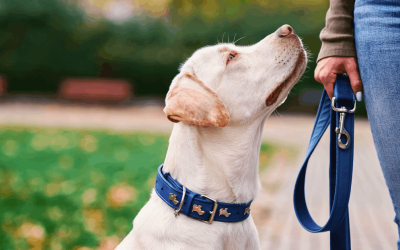
Do Rescue Dogs Remember Their Past?
Rescue dogs may remember smells, routines, people, places, and emotional experiences. Learn what their behavior may mean and how to build trust.
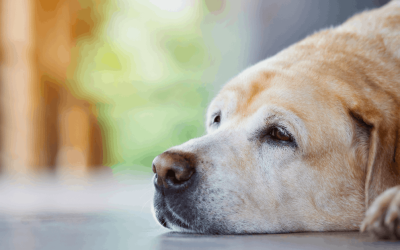
How Long Can Dogs Hold Their Poop?
Wondering how long your dog can hold poop? Learn normal poop frequency, age-based potty schedules, warning signs, and cleanup tips.
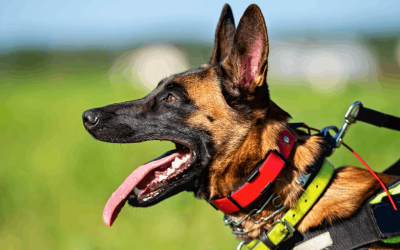
How Often Should You Clean Your Dog’s Gear?
Dog gear gets dirty fast. Learn how often to clean bowls, collars, leashes, harnesses, beds, blankets, toys, clothes, and more.